Well report No. RR-5567 · T7N · R24W · SEC 31 · filed October 2, 2026
Midstream & PipelinesWell report
Proposed West Coast Pipeline Project Moves Toward Definition
A proposed West Coast pipeline project is moving from concept toward definition, 650 CKOM reports, though capacity, route, and FID status remain unconfirmed.
Field notes
- A proposed West Coast pipeline project is 'finally taking shape' after years at the concept stage, 650 CKOM reported.
- No capacity, route, developer, or FID details have been disclosed; the project remains at the proposed stage.
- Any West Coast line would face federal and provincial environmental review, Indigenous consultation, and marine terminal scrutiny.
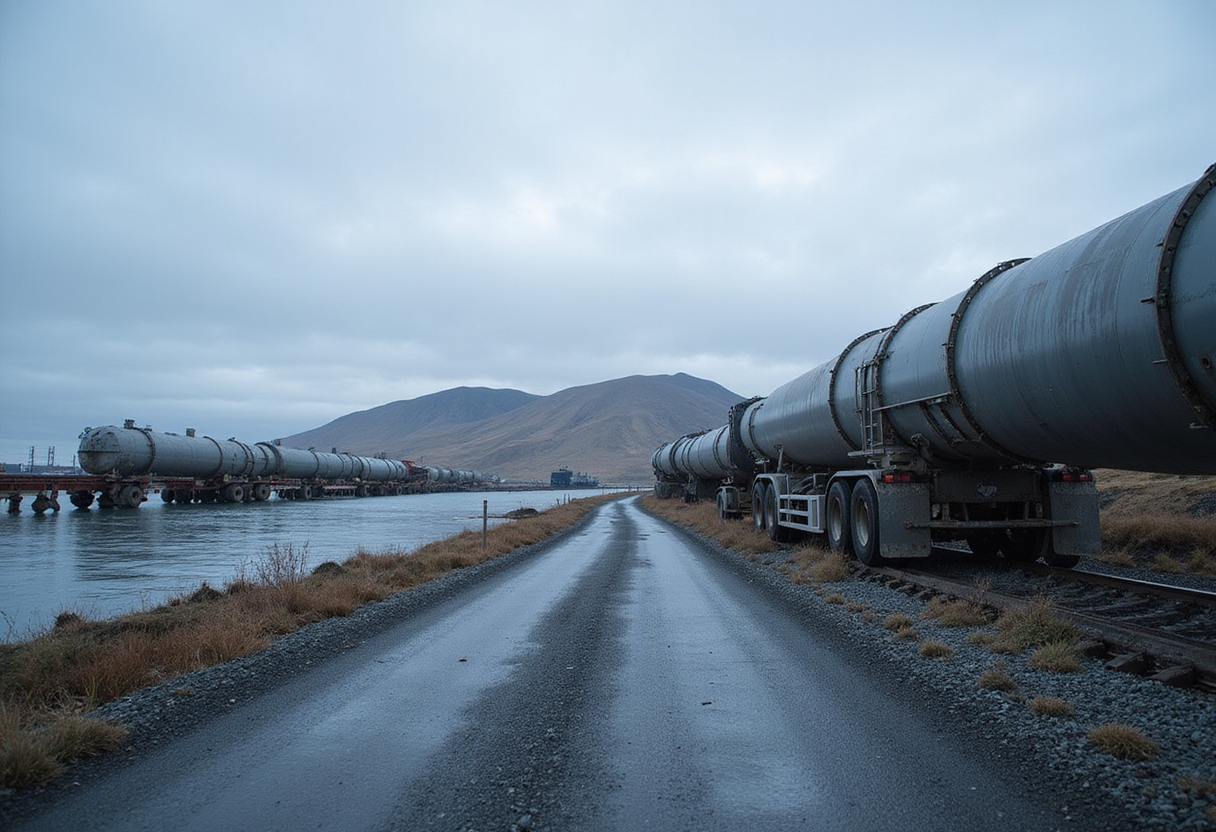
A proposed pipeline project on Canada's West Coast, after years in the concept stage, is finally taking shape, Saskatchewan radio station 650 CKOM reported.
The report signals a shift for a project that has until now existed largely on paper. Moving from proposal to defined configuration typically means the sponsor has begun scoping the route, engaging regulatory agencies, and talking with potential shippers — the milestones that separate sanctioned infrastructure from appraisal-stage speculation. As of the report, the project remains at the proposed stage; no final investment decision, capacity figure, or construction timeline has been confirmed by the developer.
West Coast pipeline projects carry a particular weight in the Canadian hydrocarbon sector. takeaway capacity from Western Canada to tidewater has constrained crude realizations for more than a decade, and every prior attempt to add West Coast egress — most prominently the Trans Mountain expansion — faced extended regulatory review, litigation, and cost escalation before crude moved. Any new line proposed for the same corridor will encounter the same framework: federal and provincial environmental assessment, Indigenous consultation obligations, and marine transport review at the export end.
For producers in the Western Canadian Sedimentary Basin, the economics are straightforward. Additional tidewater access would diversify the buyer base beyond the US Midwest and Gulf Coast refining market, where pipeline apportionment and refinery turnaround timing can widen or narrow the heavy crude discount at Clearbrook and Cushing. Whether the project in question targets crude, refined products, or natural gas liquids has not been detailed in the public report, and that question will drive its shipper economics.
For refiners and terminal operators on the coast, a new line would change feedstock logistics — potentially adding dock capacity, tankage demand, and tanker traffic at an as-yet-unspecified port. Contractors and pipe mills in Alberta and British Columbia would see the first tangible benefit during front-end engineering, should the sponsor advance to that phase.
The distinction between "taking shape" and sanctioned remains decisive. Until the developer files a regulatory application with the Canada Energy Regulator or publishes a cost estimate and capacity, the project sits in the same category as earlier West Coast proposals that stalled at the permitting stage. Shipper open-season results, if any, would be the first hard indicator of commercial support.
Watch item: the regulatory filing and any shipper open-season announcement — the point at which route, diameter, and barrel-per-day capacity become public and the project can be measured against prior West Coast attempts.
via Google News: Pipelines and midstream (Source)
More from Olivia Hart
Adjoining reports
- CAPP Backs National Interest Designation for West Coast Oil Pipeline
- Carney Says Producers Back New West Coast Oil Pipeline
- Ottawa Moves to Fast-Track Pacific Oil Pipeline Project
- Ottawa Fast-Tracks Pacific Oil Pipeline as Alberta Separation Vote Nears
- Ottawa Lists 1 Million-b/d Pacific Link Pipeline as National Interest Project