Well report No. RR-7049 · T19N · R21W · SEC 7 · filed November 13, 2026
Petroleum MarketsWell report
Morningstar DBRS holds 2027 Brent at $71/bbl as Gulf supply returns
Morningstar DBRS holds 2027 Brent at $71/bbl and WTI at $68/bbl, sees a 4-5 million b/d surplus, and keeps NYMEX gas at $3.50/Mcf with LNG capacity nearly full.
Field notes
- Morningstar DBRS maintained 2027 forecasts at $71/bbl Brent and $68/bbl WTI; 2028 forecasts are $66/bbl and $63/bbl
- EIA and IEA estimate 2027 global production will exceed demand by 4-5 million b/d
- 2027 NYMEX gas forecast held at $3.50/Mcf; EIA sees US dry gas output near 116 bcfd and LNG exports near 19 bcfd
- Woodfibre LNG is expected to start up during 2027
- Morningstar expects a $14/bbl WTI-WCS differential in 2027
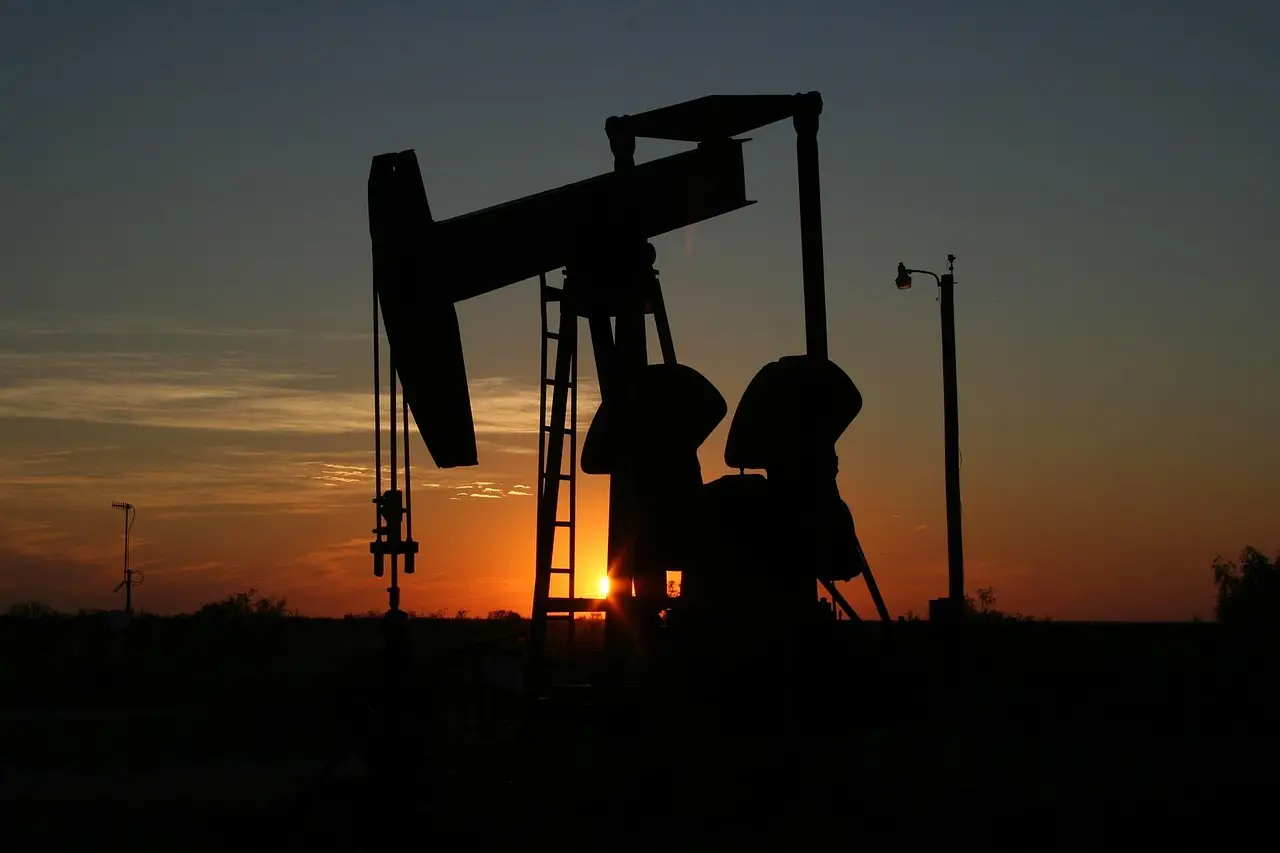
Morningstar DBRS has held its full-year 2027 Brent forecast at $71/bbl and WTI at $68/bbl, betting that recovering Persian Gulf supply will pull prices down from 2026 highs while depleted inventories and geopolitical risk keep the market from sliding further.
In its Nov. 11 outlook, the ratings agency also maintained its 2027 NYMEX natural gas forecast at $3.50/Mcf and published a 2028 view of $66/bbl Brent and $63/bbl WTI. The 2028 numbers assume what the agency calls further normalization of global production, shipping, inventories and geopolitical risk.
The takeaway for operators: plan on enough cash flow at $68/bbl WTI to fund maintenance capital and moderate growth, but not the surplus of 2026.
How big is the coming surplus?
The supply picture points to a market swinging back into surplus. Both the US Energy Information Administration (EIA) and the International Energy Agency (IEA) estimate global oil production will exceed demand by an average of 4-5 million b/d in 2027.
That surplus follows a demand recovery. The IEA and OPEC each forecast global oil demand growth of around 2.6 million b/d in 2027 as consumption rebounds from price spikes and supply disruptions in 2026. The EIA implies slightly less, about 2.4 million b/d.
Morningstar DBRS expects supply to recover enough to erase the 2026 shortage, with part of the incremental barrels going to rebuild commercial and government inventories.
Where does the Strait of Hormuz fit?
The Strait of Hormuz remains the principal geopolitical risk to the outlook. Morningstar DBRS assumes shipping conditions keep improving through 2027 and Persian Gulf production moves toward pre-conflict levels.
The vulnerability is inventory cover. With stocks still below pre-conflict levels, the agency warns that renewed disruptions could tighten the market quickly. Depleted inventories and geopolitical risk should keep WTI near the upper end of its $50/bbl to $70/bbl midcycle range.
What supports $3.50/Mcf gas?
Morningstar DBRS kept its 2027 NYMEX gas forecast at $3.50/Mcf, balancing two forces. Growing LNG exports and electricity demand support prices; rising production and relatively ample storage limit sustained increases.
The EIA expects US dry gas production to reach about 116 bcfd in 2027, with LNG exports rising to about 19 bcfd. That export ceiling matters: US LNG export capacity is nearly fully utilized, so producers cannot ship much more gas overseas when European or Asian LNG prices rise.
In Western Canada, production growth from the Montney, Duvernay and other liquids-rich formations should outpace additional LNG demand in 2027. LNG Canada has already added a demand sink, and the expected startup of Woodfibre LNG during 2027 should provide further price support.
What does this mean for Canadian crude?
Canadian oil production should rise modestly in 2027, driven chiefly by oil sands projects where producers add volumes through optimization and brownfield expansions rather than new builds. The Trans Mountain Expansion Project has improved access to Pacific markets.
Morningstar expects a $14/bbl differential between WTI and Western Canadian Select in 2027.
Are producer credit profiles at risk?
No, according to the agency's base case. Morningstar expects the credit profiles of most rated North American oil and gas producers to remain broadly stable under its 2027 price assumptions.
For oil-weighted producers, $68/bbl WTI should generally generate enough cash flow to fund maintenance capital spending, support moderate production growth and maintain shareholder distributions. The trade-off is thinner cushions: lower prices than in 2026 will reduce excess free cash flow.
The watch item is Hormuz — any renewed disruption hits a market with inventories still below pre-conflict levels.
via Oil & Gas Journal (Source)
More from James Calloway
Show full bio
Staff writer covering people, launches and day-to-day practice in Oil and gas industry operations and markets at Rig & Refinery.
615 articles
Adjoining reports
- OPEC Trims 2026 Oil Demand Growth Outlook to 400,000 Bpd
- IEA Sees Oil Market Flipping to Surplus as Gulf Exports Recover
- OPEC trims 2026 oil demand growth forecast to 400,000 bpd
- OPEC Sees Global Primary Energy Demand Rising 23% by 2050
- IEA sees 2.6 million b/d demand drop in 2026, supply rebound fragile