Well report No. RR-1626 · T14N · R11W · SEC 2 · filed October 10, 2026
OffshoreWell report
Ninth Búzios FPSO departs Singapore for Brazilian waters
The ninth FPSO headed for Brazil's Búzios field has sailed from Singapore for Brazilian waters, according to Upstream Online, extending the sequential build-out of the Santos Basin pre-salt.
Field notes
- Ninth FPSO bound for the Búzios field has departed Singapore for Brazil
- Route: Singapore → Indian Ocean → Cape of Good Hope → Brazilian terminals; typical tow runs 25–30 days
- Source: Upstream Online dispatch, published Monday
- Singapore serves as the integration hub for most South American FPSO contracts
- Dispatch did not name the hull, disclose capacity, or identify the operating company
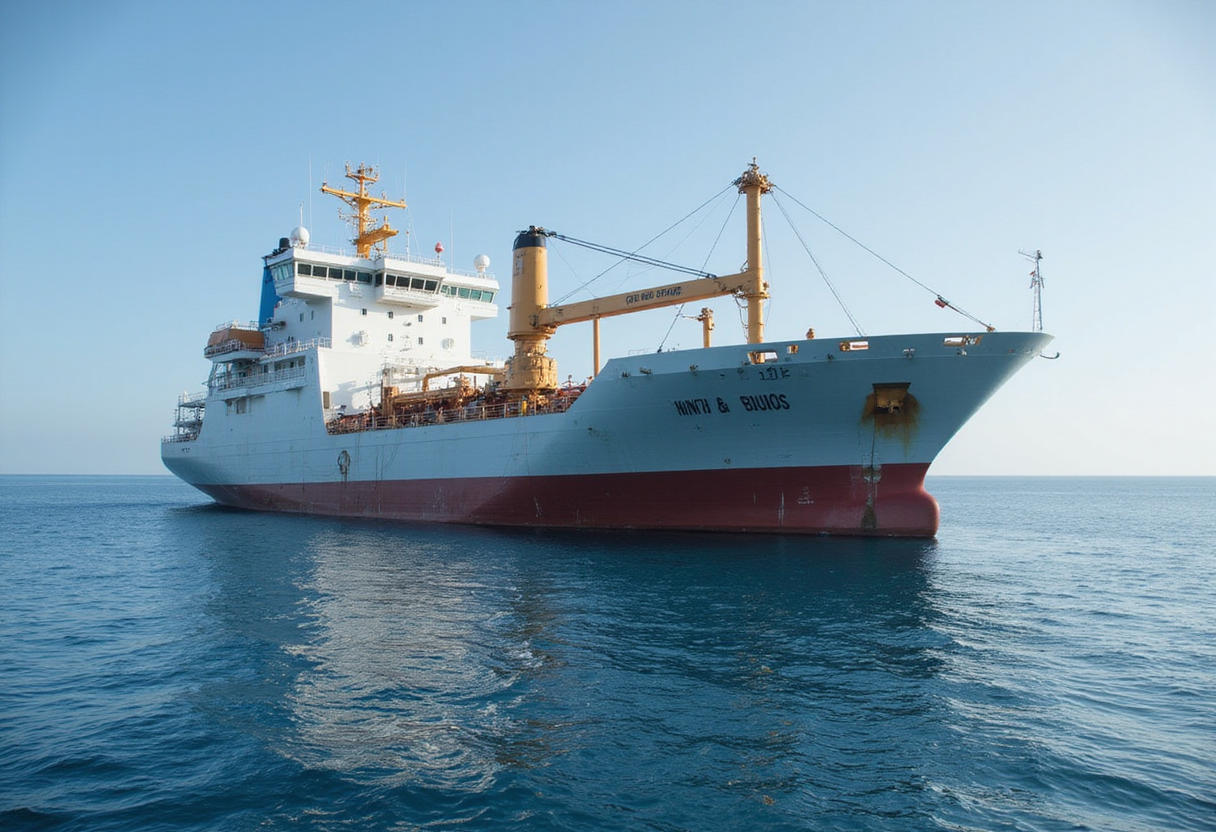
The ninth FPSO destined for Brazil's Búzios field has departed Singapore for Brazilian waters, according to Upstream Online. The transit extends the sequential build-out of floating production capacity that has defined the Santos Basin pre-salt since the mid-2010s.
Upstream Online reported the vessel set sail from Singapore on Monday, kicking off a tow of several weeks across the Indian Ocean and around the Cape of Good Hope before the final approach to offshore Brazil.
Singapore has served as the primary integration hub for South American FPSO contracts over the past decade. Hulls typically come from South Korean and Chinese yards, with topsides mating, commissioning and sea trials completed at Singaporean facilities before sail-away.
How long is the tow?
The route from Singapore runs east through the Singapore Strait, across the Indian Ocean, around the Cape of Good Hope, and north along the South Atlantic coast to terminals near Rio de Janeiro state. Voyages typically run 25 to 30 days under fair conditions, though winter weather off the Cape can extend the schedule by several days.
Búzios-bound vessels usually route to coastal staging areas before the final offshore transit to the field. Mooring and hook-up campaigns routinely consume several months after arrival, with operators tying the hull into pre-installed subsea infrastructure and running commissioning before first oil.
What does a ninth unit signal?
A ninth FPSO extends Búzios's installed capacity, stacked onto the vessels already in service. Each unit adds a discrete step of daily production as drilling defines additional recovery targets across the carbonate reservoir beneath the salt layer.
Trade-press trackers treat FPSO tow-outs as leading indicators for medium-term pre-salt output. Each successful startup adds durable barrels to Brazil's offshore production base.
Why Singapore?
Singapore's shipyard cluster at Jurong and Tuas has handled the bulk of topsides integration work for South American FPSO contracts over the past decade. The facilities combine deepwater quays, fabrication labour, and proximity to Asian hull builders — a configuration few other yards can match at the scale required for pre-salt-class units.
Brazilian operators have run a similar series of campaigns from Singapore since the mid-2010s. The same tow corridor across the Indian Ocean and around the Cape has carried every FPSO bound for the Santos and Campos basins in that period.
What's missing from this dispatch
The Upstream Online notice did not identify the specific hull, quote a production capacity figure, or name the operating company. Those details typically surface once the vessel enters Brazilian waters and clears customs at a coastal terminal near Rio de Janeiro. Watch for confirmation of the FPSO's designation name and the operating-company filings once it reaches the field.
The publication did not disclose the tow operator or the timing of departure within the day. Operators often keep tow logistics quiet until the hull clears port limits, citing security and operational sensitivity.
The watch items
Three milestones will follow the departure:
- Cape of Good Hope transit, where weather routing and sea state determine slippage risk
- Brazilian coastal entry, where customs, inspection and pilot boarding add days to the schedule
- Mooring and hook-up at the field, the multi-month sequence that sets the calendar for first oil
Upstream Online's coverage will likely update once the vessel clears Singaporean waters, rounds the Cape, or enters Brazilian waters. The first-oil date — not the tow itself — will be the headline trade-press event for this vessel. Búzios remains Brazil's flagship pre-salt development, and each new FPSO arrival reinforces the field's standing as the anchor of the country's offshore production base.
via Google News: Offshore drilling and FPSOs (Source)
More from Elena Vasquez
Adjoining reports
- Boskalis Twin Tow Delivers MODEC FPSO Hull from Brazil to Denmark
- Seatrium Lines Up Back-to-Back FPSO Sailaways for Petrobras
- MODEC FPSO Hull Sails for China Integration Ahead of Brazil Deployment
- Wind-Assisted Towing Weighed for SBM Offshore FPSO Bound for Suriname
- MODEC FPSO Hull Sails for China Yard Ahead of Brazil Integration