Well report · filed November 19, 2026
Upstream Drilling & ProductionWell report
Ohio Draws $3.6B in Shale Investment, Yet Faces Gas Shortfall Risk
Ohio pulled $3.6B in shale investment in H2 2025, lifting the post-2011 total to $121.2B — yet a CSU study warns proposed gas plants could outburn state output.
Field notes
- Ohio drew about $3.6 billion in direct shale investment in July–December 2025, up ~25% from $2.9 billion in H1 2025.
- Cumulative shale investment since 2011 stands at roughly $121.2 billion, all private capital.
- The study is the 20th semiannual tally by CSU's Energy Policy Center, commissioned by JobsOhio.
- Page 33 finding: if all proposed Ohio gas-fired power plants are built, the state would consume more gas than it produces.
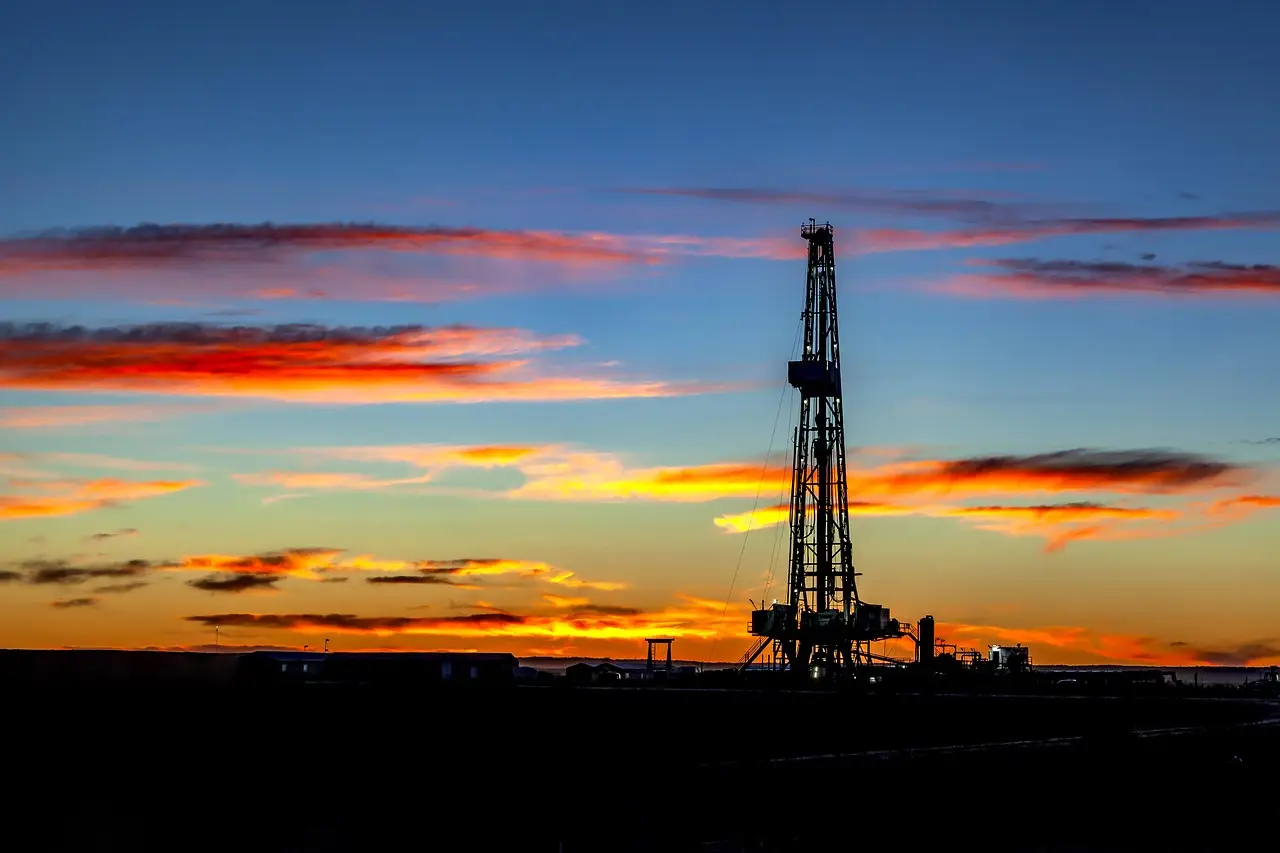
Ohio attracted roughly $3.6 billion in direct shale investment between July and December 2025, a 25% jump from the $2.9 billion recorded in the first half of the year. The figure comes from the 20th edition of the semiannual shale investment tally produced by Cleveland State University's Energy Policy Center for JobsOhio, the state's private economic development corporation, which landed yesterday and covers the second half of 2025.
The half-year gain pushes cumulative shale investment in Ohio since 2011 to approximately $121.2 billion. All of it, the study's authors note, is private money. Spread across nearly 15 years, that average works out to about $8 billion per year flowing into the Utica play — drilling, completion, midstream and processing infrastructure included.
What does the report's buried finding say?
The headline investment number is not the most interesting thing in this report. Buried on page 33 is a finding that should command attention from every Ohio landowner and driller: if all the gas-fired power plants now proposed in Ohio get built, the state would burn more natural gas than it produces.
That is a remarkable inversion for a state that has spent 14 years building an production base on the strength of the Utica shale. Ohio as a net gas consumer, despite sitting on one of the country's most productive liquids-rich plays, is not the outcome most observers of the basin would have penciled in a decade ago.
The shortfall scenario is conditional, it must be said. The CSU analysis keys off the full slate of proposed gas-fired generation in the state, and proposed plants have a habit of not materializing. The finding therefore sits firmly in the appraisal-stage column of speculation rather than the sanctioned-project column. It is nonetheless a planning signal: power-sector gas demand in Ohio is scaling faster than in-state output, and the gap would have to be filled by pipeline imports.
How big is the investment ramp?
The numbers, translated:
- $3.6 billion — direct shale investment, July–December 2025
- $2.9 billion — the comparable figure for January–June 2025, meaning the second half ran about 25% hotter
- $121.2 billion — cumulative investment since 2011, all private capital
- Twice yearly — the frequency of the JobsOhio-commissioned tally, now in its 20th edition
A 25% half-on-half acceleration is a real shift in tempo, not statistical noise. The study offers no single explanation for the jump in the visible summary, but the direction is unambiguous: capital is still moving into the Utica at scale.
Why should producers and landowners care?
For drillers, the page 33 finding cuts two ways. In-state power demand is a captive market, and every proposed gas-fired plant is a future offtake contract waiting to be signed. The risk side is infrastructure: if Ohio's generators need more molecules than Ohio's wells make, pipeline capacity and interstate competition for Appalachian supply become the binding constraints.
For landowners, the same arithmetic applies with the sign reversed. A state that consumes its own production has less surplus to export, and royalty economics follow the local price net of transport. Demand at home is not a bad thing, in plain words, until the wells cannot keep up.
The study is a paid product — JobsOhio commissions it twice a year from CSU's Energy Policy Center — and its core function is investment bookkeeping. The shortfall scenario is a sidebar, but sidebars occasionally carry the story.
What is the watch item?
The count of proposed gas-fired plants in Ohio that clear permitting and reach final investment decision. Each sanction moves the state closer to, or further from, the consumption-exceeds-production line flagged on page 33. The next edition of the tally, covering the first half of 2026, will show whether the $3.6 billion pace held.
via marcellusdrilling.com (Source)
More from Daniel Okafor
Show full bio
Market editor covering companies, deals and strategy in Oil and gas industry operations and markets at Rig & Refinery.
634 articles
Adjoining reports
- Gulfport puts two rigs in Ohio, lifts buyback to $2 billion
- Ascent posts $22.8M loss and halves Utica drilling rig count
- Enverus: US Shale Is 'Aging, Not Broken' as Growth Slows to 2040s
- Pennsylvania Petrochemical 'Renaissance' Falls Short, DeSmog Finds
- New Frontiers Study Extends US Oil, Gas Production Outlook to 2100