Well report No. RR-6867 · T3N · R47W · SEC 27 · filed October 10, 2026
Petroleum MarketsWell report
OPEC Holds Bilateral Talks With World's No. 2, No. 3 Oil Buyers
OPEC has held separate meetings with China and India, the world's second- and third-largest oil consumers, according to a Rigzone report, as Brent trades below most Gulf producers' budget break-even levels.
Field notes
- OPEC held separate meetings with the world's second- and third-largest oil consumers, per Rigzone
- China's apparent consumption averaged above 16 million bpd in 2024; India crossed 5 million bpd
- The United States remains the single largest oil consumer, ahead of China and India
- OPEC+ voluntary cuts from Saudi Arabia, Russia and other producers are set to phase out on a quarterly basis through 2026
- Saudi Aramco's January-loading official selling price is due in early December
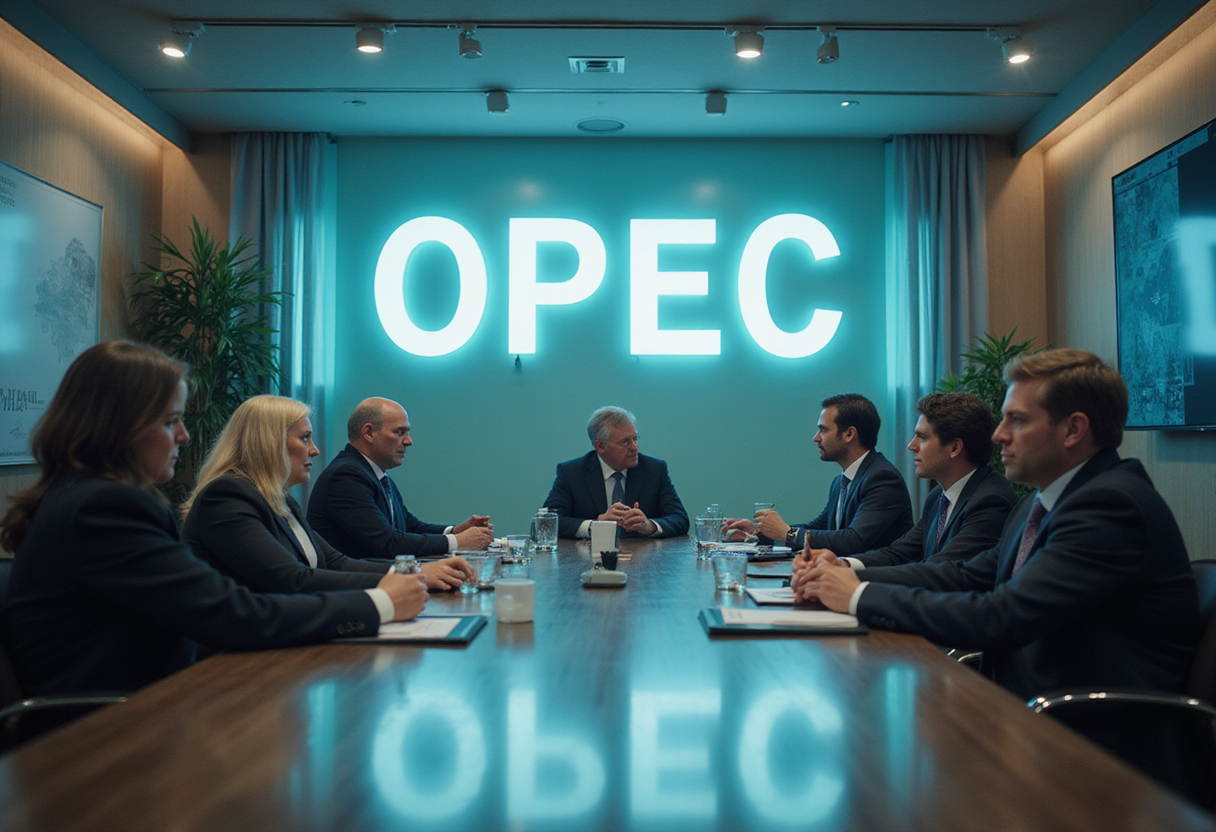
OPEC has held separate meetings with the world's second- and third-largest oil consumers, the producer group's latest outreach to the largest buyers of its crude, according to a Rigzone report.
The meetings come as the OPEC+ alliance addresses a market in which China and India — the two economies driving incremental demand growth — together absorb roughly a quarter of global supply. The United States remains the largest single consumer, but its role as a net crude exporter has shifted OPEC's commercial diplomacy eastward.
Who sits at No. 2 and No. 3?
The International Energy Agency's monthly Oil Market Report and BP's Statistical Review of World Energy have consistently placed the United States at the top of the consumption table, with China and India filling the second and third slots. In 2024, Chinese apparent demand ran above 16 million barrels per day on a yearly average, while India crossed 5 million bpd — both figures that put the two economies well ahead of any other importer.
OPEC's Vienna secretariat had not published a readout at the time of writing; the consultations were flagged only by the headline of the Rigzone item. Details on delegations, agenda items, or any communiqués issued were not available.
What does OPEC typically raise with major consumers?
Producer-group dialogues with Beijing and New Delhi over the past five years have covered three recurring themes:
- Medium-term demand outlooks for the Chinese and Indian markets
- The pace of EV adoption and petrochemical investment reshaping product slates
- The role of Russian crude in import baskets following the G7 price cap
Saudi Arabia's energy ministry, often the agenda-setter for OPEC's bilateral work, has argued that direct engagement with the largest buyers is the most efficient tool for aligning expectations ahead of ministerial meetings. The kingdom is the de facto leader of OPEC and the alliance's swing producer.
India has used such platforms to press for stable term-contract pricing and delivery flexibility during Saudi maintenance turnarounds. China, with substantial strategic petroleum reserves, has historically asked for greater visibility on OPEC+ production plans to manage its stockpile drawdowns.
Why does this matter now?
The meetings land against softer benchmark prices — Brent has spent much of the past quarter below the level most Gulf producers need to balance their budgets — and ahead of the next OPEC+ ministerial gathering. With voluntary cuts from Saudi Arabia, Russia, and smaller producers set to phase out on a rolling quarterly basis through 2026, the alliance's communication with its top two growth markets carries unusual weight.
A productive round of bilateral talks could ease concerns in Beijing and New Delhi that the supply tap will open prematurely, smoothing the diplomatic ground for a coordinated decision at the next ministerial meeting. A more fractious exchange would raise the risk that Chinese or Indian refiners accelerate diversification away from Middle Eastern grades — a structural shift that would reshape Atlantic Basin versus East-of-Suez flows for years.
Watch items
- OPEC secretariat readouts or communiqués following the bilateral meetings
- Date and agenda of the next OPEC+ ministerial meeting, which will set policy direction for Q1 2026 production
- Saudi Aramco's official selling price for January loading, due in early December, which will signal Riyadh's read on Asian demand
- Comments from India's Petroleum Minister or China's National Energy Administration on the substance of the talks
- Russian Urals trade flows to Indian and Chinese refiners, a recurring backdrop item since 2023
via Google News: OPEC and oil markets (Source)
More from Priya Raman
Show full bio
Senior reporter covering media and advertising at Rig & Refinery.
381 articles