Well report · filed November 27, 2026
OffshoreWell report
Petronas and Staatsolie sanction $1.6bn Sloanea gas FID offshore Suriname
Petronas and Staatsolie sanction the $1.6bn KrakaWi project — four wells, subsea infrastructure and a 1.5m t/y FLNG — targeting first gas from Suriname's 97 bcm Sloanea field in mid-2030.
Field notes
- $1.6bn FID approved for the KrakaWi project on Sloanea, Block 52, offshore Suriname
- FLNG capacity of ~1.5 million tonnes of LNG per year; 97 bcm estimated recoverable gas
- First production targeted for mid-2030; 25-year field life
- Petronas holds 80% and operates; Staatsolie holds 20% under a 2013 PSC
- Sloanea-1 discovery in late 2020; development plan approved 24 November 2026
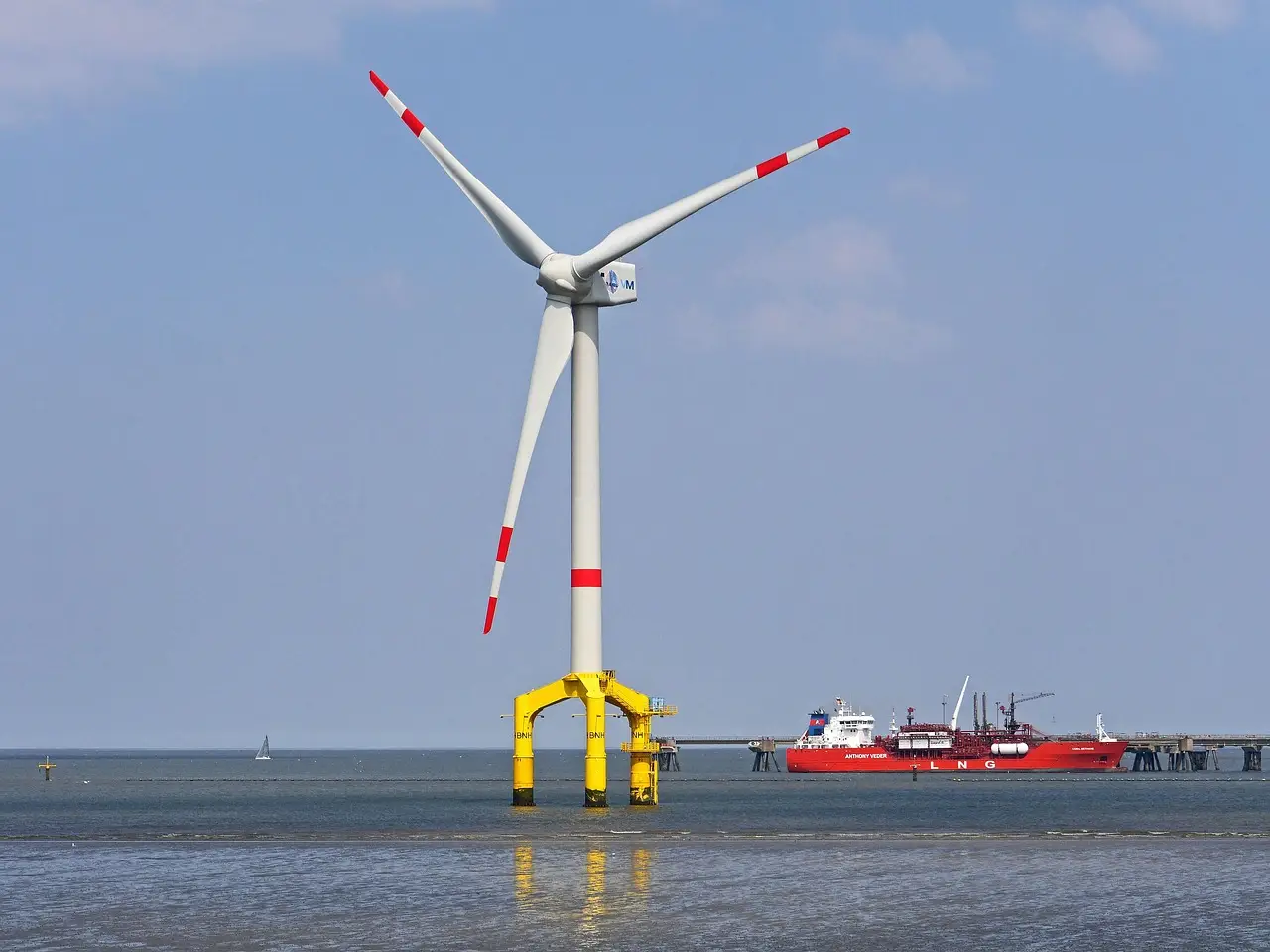
Petronas and Staatsolie have approved a $1.6bn final investment decision for the Sloanea gas field in offshore Block 52, sanctioning Suriname's first offshore gas development. First production is targeted for mid-2030. The project, named KrakaWi, is a landmark for a country that has watched neighbouring Guyana's boom from the sidelines.
The scheme comprises four offshore production wells, subsea infrastructure, and a floating liquefied natural gas facility (FLNG — a ship-shaped plant that liquefies gas at the field, avoiding onshore pipelines) with capacity of roughly 1.5 million tonnes of LNG per year. Sloanea holds an estimated 97 billion cubic metres of recoverable gas. The partners expect a 25-year production life.
That 1.5 mtpa is modest by global LNG standards. The 97 bcm resource, however, is not small for a first development — roughly 70 years of feed at full liquefaction rates, which suggests the FID covers a first phase, not the whole resource. The announcement does not say what follows.
Who holds what in Block 52?
Petronas operates Block 52 with an 80% participating interest through its subsidiary Petronas Suriname. Staatsolie holds the remaining 20% and will invest proportionately. The two companies signed their production sharing contract (PSC) in 2013.
The acreage delivered slowly at first. Exploration brought the Sloanea-1 gas discovery in late 2020, then the Sloanea-2 appraisal well and extensive well testing in 2024. Staatsolie approved the field development plan on 24 November 2026. In June 2026, Petronas reported two further hydrocarbon discoveries and a successful appraisal well in the block.
Takeaway: the partnership spent 13 years moving from PSC to sanction, and the resource base kept growing along the way.
What did the executives say?
Petronas president and group CEO Tengku Muhammad Taufik framed the project in supply-security terms. He said: "Gas will remain essential to how the world secures its energy while building toward a lower-carbon future." He added: "A more diverse and resilient LNG supply base will be increasingly important in meeting the needs of economies. Bringing new basins into the global gas system strengthens that resilience and broadens access to dependable energy."
Note what he did not say: no cost figures beyond the headline $1.6bn, no LNG offtake buyers named, and no contracting details for the FLNG unit. Sanction without disclosed offtake is a flag worth watching.
Staatsolie managing director Annand Jagesar took a broader domestic view. He said: "This is a wonderful project for Suriname. This project has so many benefits. Gas is cleaner for the environment, and production remains relatively stable for 25 years, unlike oil production." He also pointed to the longer game: "Without gas processing, oil cannot be produced from certain reservoirs. We can also start preparing to bring gas onshore in the future, supporting further local development through, among other things, the availability of more and cleaner electricity."
Jagesar's oil comment matters. It confirms the partners see KrakaWi as enabling infrastructure for high-gas-content oil reservoirs in the block — not merely a standalone LNG export play.
How does Suriname get paid?
Once production begins, the state receives revenues through royalties, its share of production income, and taxes. The partners also said the project establishes a foundation for developing oil from gas-rich reservoirs and for making further offshore gas developments commercially viable.
The structure is conventional. What is not disclosed is the revenue split under the 2013 PSC, or the fiscal terms attached to the FLNG concept. Those details will determine how much of the $1.6bn and the subsequent revenue stream actually lands in Paramaribo.
Why Petronas for FLNG?
Petronas brings a track record no other operator in the basin can match. In 2016, the Malaysian national oil company built PFLNG Satu, the world's first floating LNG facility. Earlier this month it unveiled PFLNG TIGA, described as the world's first nearshore FLNG development. That operating experience de-risks the KrakaWi liquefaction concept somewhat — first-of-a-kind arguments do not apply here.
Still, deepwater FLNG in a frontier basin carries execution risk that vessel history does not erase. Mid-2030 is nearly four years out, and the schedule assumes no supply chain friction in an LNG construction market already stretched by competing projects.
Takeaway: the technology bet is sound; the schedule and cost bet is where sceptics will look.
The watch items are clear — offtake agreements, FLNG unit contracting, and whether the mid-2030 startup holds. The June 2026 discoveries also raise the question of a second development phase, which neither partner has yet costed.
via Offshore Technology (Source)
More from Priya Raman
Show full bio
Senior reporter covering technology and product news in Oil and gas industry operations and markets at Rig & Refinery.
684 articles
Adjoining reports
- Maha Field Starts Up Off Indonesia, Headed for 230 MMSCFD
- Guyana Crude Exports Near 1 Million BPD Mark for First Time
- TotalEnergies Takes 30% Operated Stake in Malaysia's Lang Lebah and B14
- ExxonMobil Sanctions $12.5bn Longtail Gas Development Offshore Guyana
- Guyana's Stabroek Output Tops 900,000 Bpd; 1 Million Marker in Sight