Well report · filed November 26, 2026
OffshoreWell report
Sanctioned offshore investment heads for $137bn in 2026
Sanctioned offshore investment is forecast at $137bn in 2026, up 30% from $105.2bn in 2025, as 438 overseas delegates met China's yards and suppliers at OEEG 2026 in Shanghai.
Field notes
- Sanctioned offshore investment forecast at $137bn in 2026, up ~30% from $105.2bn in 2025 (Westwood Global Energy).
- Two-thirds of FPSOs announced for 2020–2030 are being built or converted in China (Intelatus).
- OEEG 2026 drew 7,000-plus participants, 438 overseas delegates, 173 exhibitors and 150-plus speakers.
- Global offshore E&D capex projected at ~$1.05trn for 2026–2030, peaking in 2027.
- OEEG 2027 set for 24–26 August 2027 at Shanghai World Expo Exhibition & Convention Center.
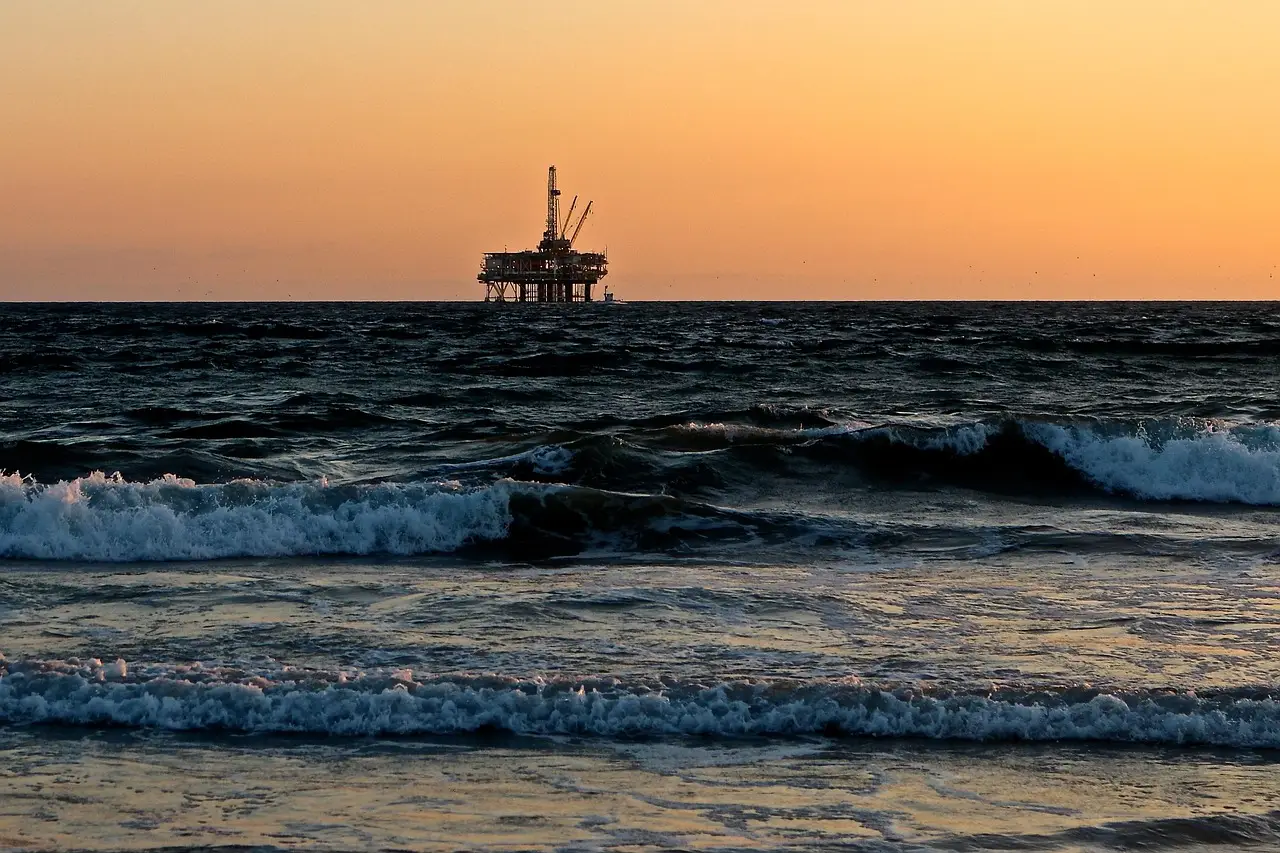
Investment committed to newly sanctioned offshore developments is forecast to reach $137bn in 2026, up roughly 30% from $105.2bn in 2025, according to Westwood Global Energy. The figure framed the 2026 Offshore Energy and Engineering Global Conference (OEEG 2026), held in Shanghai from 17 to 19 November, where operators and EPC (engineering, procurement and construction) contractors came to test China's supply chain against that demand.
More than 7,000 participants from over 20 countries and regions attended, including 438 overseas delegates. Petrobras, PETRONAS, Eni, Pertamina, NAMCOR, SBM Offshore, Seatrium, MODEC and Yinson Production met 173 exhibitors and sponsors. More than 150 speakers addressed the programme.
The takeaway: sanctioned-project spending is climbing faster than the oil price alone would predict, and the supply side is straining to keep pace.
Where does the fabrication capacity sit?
Rising investment is pressuring yards and suppliers. As deepwater projects advance, FPSO, FLNG (floating LNG) and subsea packages move into construction and procurement, and owners need more qualified yards. Around two-thirds of FPSOs announced for 2020–2030 are being built or converted in China, according to Intelatus, and some Chinese contractors now deliver complete vessels under EPCIC (engineering, procurement, construction, installation and commissioning) contracts.
Global offshore exploration and development capital expenditure, a broader measure than sanctioned-project investment, is projected at about $1.05trn across 2026–2030, some 26% more than in 2021–2025, with the peak coming in 2027. Yang Yun, former Executive Vice President of CNOOC Limited and a member of the expert committee of the CNOOC Energy Economics Institute, said demand over the next five years covers roughly 30 FPSOs, 50 semi-submersible drilling rigs and 80 drillships.
At the Global Offshore Asset Owners and EPC Executive Closed-Door Meeting on 16 November, senior executives agreed that the oil price no longer explains offshore investment on its own: it still sets project economics, but resource security, energy autonomy and supply diversification now weigh more heavily in long-term decisions.
What did resource holders and researchers say?
Norbashinatun Salmi Bt Muhd Nordin of PETRONAS's Malaysia Petroleum Management explained how Malaysia matches FPSOs, FSOs and other floating solutions to each field's resources, costs and requirements, working from a base of 23 floating facilities in place. Hu Keyi, Counselor to the Shanghai Municipal People's Government and former Chief Expert at China State Shipbuilding Corporation, addressed offshore LNG storage and transportation in a changing energy-security context.
Larry Li, Chairman of CDMC, released "The Evolution of the Global Floating Offshore Supply Chain," a report written from the buyer's side of the table. It maps how procurement responsibility divides among owners, contractors and yards, what suppliers must do to qualify, and what Chinese companies still need to take on wider project roles. Offshore wind, seabed minerals, offshore aquaculture, energy islands and subsea unmanned operations also featured, with offshore wind tenders and construction resuming in some markets after a period of rising costs and financing pressure.
What did the exhibition floor show?
Buyers from France, New Zealand, Australia, Brazil and several African countries met Chinese shipyards, engineering firms and equipment suppliers. CSSC's Jiangnan Shipyard, Hudong-Zhonghua Shipbuilding and Shanghai Waigaoqiao Shipbuilding presented FPSO hull work, a 174,000-cubic-metre FSRU (floating storage and regasification unit) design, and 93,000-cubic-metre VLGC and 99,000-cubic-metre VLEC designs. The procurement matchmaking area ran one-to-one meetings on projects in Southeast Asia, Brazil, Africa and the Middle East with Petrobras, PETRONAS, SBM Offshore, MODEC, Yinson Production and Wison New Energies, and ranked among the busiest zones at the event.
Why have orders not followed interest?
Joey Lu, Chief Researcher at CDMC, identified a two-sided gap: overseas demand is rising and Chinese manufacturing and technical capabilities are strengthening, but differences in standards, communication practices and procurement procedures remain. Buyers want a clearer picture of what Chinese suppliers can deliver. Suppliers must work more closely to international procurement standards before interest converts into orders.
Closing that gap is the stated focus of the next edition. OEEG 2027 runs from 24 to 26 August 2027 at Hall H4 of the Shanghai World Expo Exhibition & Convention Center, upgraded to the Global Ocean Energy and Engineering Industry Chain Conference & Exhibition. The programme will offer demand briefings and procurement sessions with national oil companies from Brazil, Malaysia, Indonesia and other countries; technical forums on FPSOs, FLNG, FSRUs and offshore wind; and matchmaking organized by buyer type, so that oil companies, EPC contractors, shipyards and module fabricators each meet the suppliers most relevant to their projects.
The watch item is 2027: whether the projected capex peak converts into Chinese orders at scale.
via Offshore Technology (Source)
More from Olivia Hart
Show full bio
Correspondent covering technology and product news in Oil and gas industry operations and markets at Rig & Refinery.
640 articles