Well report · filed November 20, 2026
Energy Transition in OilWell report
Phelan Green lets Honeywell contract for 35,000-tpy eSAF plant at Saldanha Bay
Phelan Green took FID and let a Honeywell contract covering carbon capture licensing and modular engineering for a 35,000-tpy eSAF plant at Saldanha Bay, due online in third-quarter 2028.
Field notes
- Phase 1 eSAF plant at Saldanha Bay has a nameplate of 35,000 tpy and a third-quarter 2028 startup, with FID taken.
- Honeywell will license its ASCC carbon capture technology, co-developed with UT Austin, plus provide modular engineering.
- The plant is part of Phelan Green's $2.5-billion hydrogen project in South Africa's Western Cape.
- Phases 2 and 3 would lift Saldanha Bay capacity to 140,000 tpy by first-quarter 2032.
- Phelan Green also plans two 300,000-tpy eSAF complexes in Tamil Nadu, India, and Ras Shukeir, Egypt.
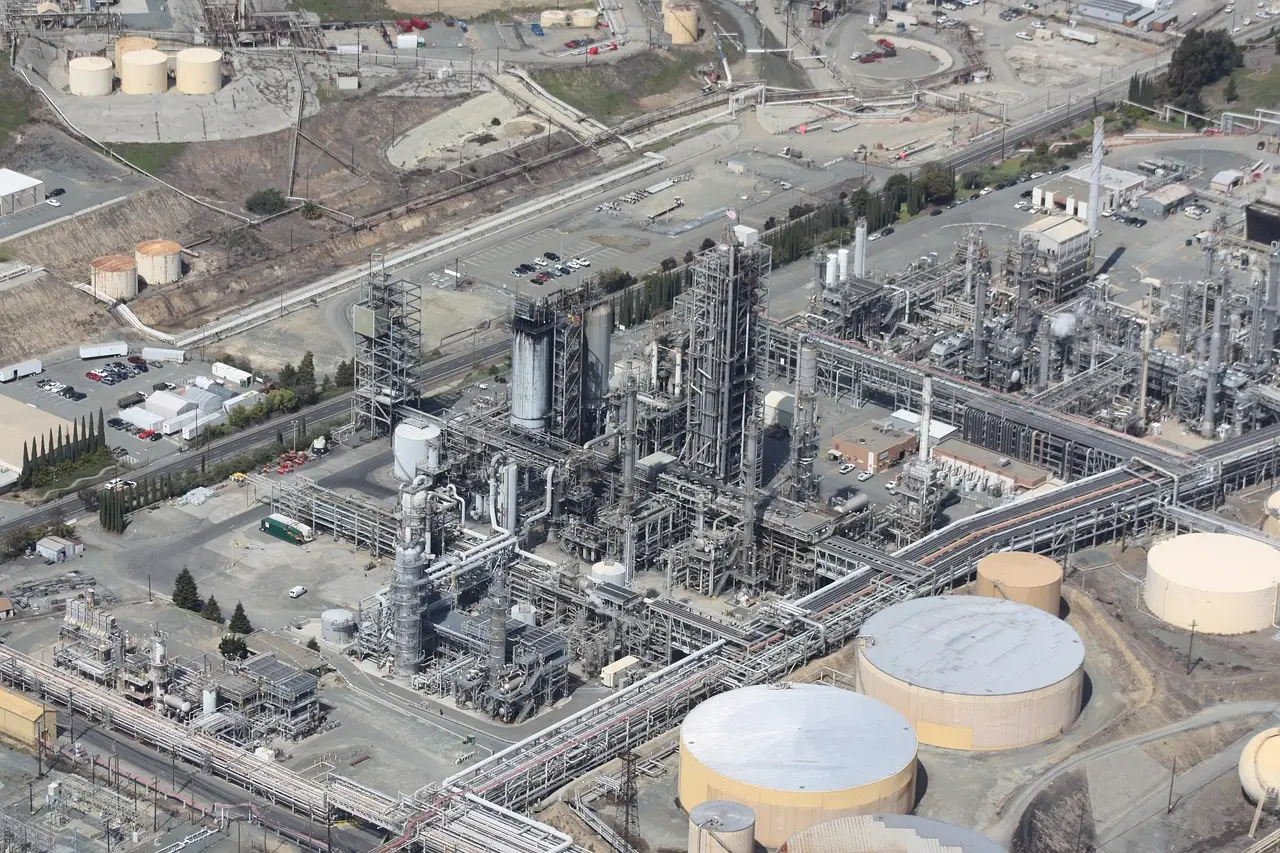
Phelan Green Group has let a contract to Honeywell Technologies for the first phase of its electro sustainable aviation fuel (eSAF) complex at Saldanha Bay, Western Cape, following a positive final investment decision on the plant. Phase 1 carries a nameplate capacity of 35,000 tonnes/year (tpy) and is scheduled to start up in third-quarter 2028.
Honeywell announced the award Nov. 18. The scope covers licensing of its proprietary Advanced Solvent Carbon Capture (ASCC) technology — co-developed by Honeywell UOP and the University of Texas at Austin — plus modular engineering services for the Phase 1 plant. ASCC will capture carbon dioxide from on-site flue gas, reducing the plant's CO2 emissions.
The contract is the second Honeywell award on the project this year. Phelan Green's clean-fuels subsidiary, Phelan eFuels, earlier licensed Honeywell UOP's Fischer-Tropsch (FT) Unicracking process technology, which upgrades FT liquids and waxes made from CO2 into eSAF that complies with aviation industry standards.
What does the process chain look like?
The Phase 1 plant strings together three licensed technologies. Johnson Matthey's HyCOgen catalytically converts CO2 and electrolytic (green) hydrogen into carbon monoxide, which combines with hydrogen to form synthesis gas. JM Catalyst Technologies and bp's jointly developed FT CANS technology then converts the syngas into synthetic crude, which is upgraded into synthetic paraffinic kerosine suitable for aviation.
Honeywell's integrated suite of technology, engineering and equipment offerings streamlines the build-out, said Blair Phelan, Phelan Green's managing director. The plant anchors the operator's broader $2.5-billion Phelan Green Hydrogen project at Saldanha Bay.
Phelan framed the wider goal plainly: Phase 1 supports establishing South Africa as a competitive producer and exporter of lower-carbon aviation fuel.
How does the phased build-out run?
According to Phelan eFuels' website, capacity builds in three sanctioned and planned steps:
- Phase 1: 35,000 tpy, startup third-quarter 2028 (FID taken)
- Phase 2: 35,000 tpy, commissioning first-quarter 2030
- Phase 3: 70,000 tpy, startup first-quarter 2032, taking the Saldanha Bay site to 140,000 tpy overall
Phases 2 and 3 remain development-stage timing, not FID-backed projects; only Phase 1 carries a sanctioned decision to date.
Where else is Phelan Green heading?
Beyond South Africa, the operator plans two additional eSAF complexes, each rated at 300,000 tpy — one in Tamil Nadu, India, and one at Ras Shukeir, Egypt. Those proposals sit at concept stage, with no investment decisions or technology awards disclosed.
For practitioners, the takeaway is that a licensed, fully configured technology chain is now in place for the first commercial-scale eSAF train in Southern Africa, with a dated startup to watch: third-quarter 2028.
via honeywell.com (Original)
More from James Calloway
Show full bio
Staff writer covering people, launches and day-to-day practice in Oil and gas industry operations and markets at Rig & Refinery.
656 articles
Adjoining reports
- Hengyi Targets 20 Million tpy at PMB With Honeywell Phase II Award
- ENGIE and CMA CGM Plan 7,000-tpa Biomethane Plant at Le Havre
- Technip Energies lands €250m–500m EPC for HPCL Mumbai refinery upgrade
- Hengyi taps Honeywell for Brunei refinery Phase II as target hits 20m tpa
- EPA Plans to Drop Clean Air Act Authority Over Power Plant CO2