Well report No. RR-2496 · T20N · R44W · SEC 8 · filed October 30, 2026
Petroleum MarketsWell report
Russian Crude Exports Stay 10% Below Pre-War Levels, UBS Says
Russian crude exports remain about 10% below pre-war levels, UBS data show, with 61% leaving on shadow-fleet tankers and China, India and Turkey taking a combined 77% share.
Field notes
- Russian crude export volumes remain around 10% below pre-war levels, according to UBS.
- The EU’s share of Russian crude exports fell from 48% before the war to 4% by September.
- China, India and Turkey increased their combined share of Russian crude exports from 29% to 77%.
- An estimated 61% of Russian crude now leaves through the shadow fleet.
- Russia’s share of Indian mineral-fuel imports rose from just over 1% to 24%.
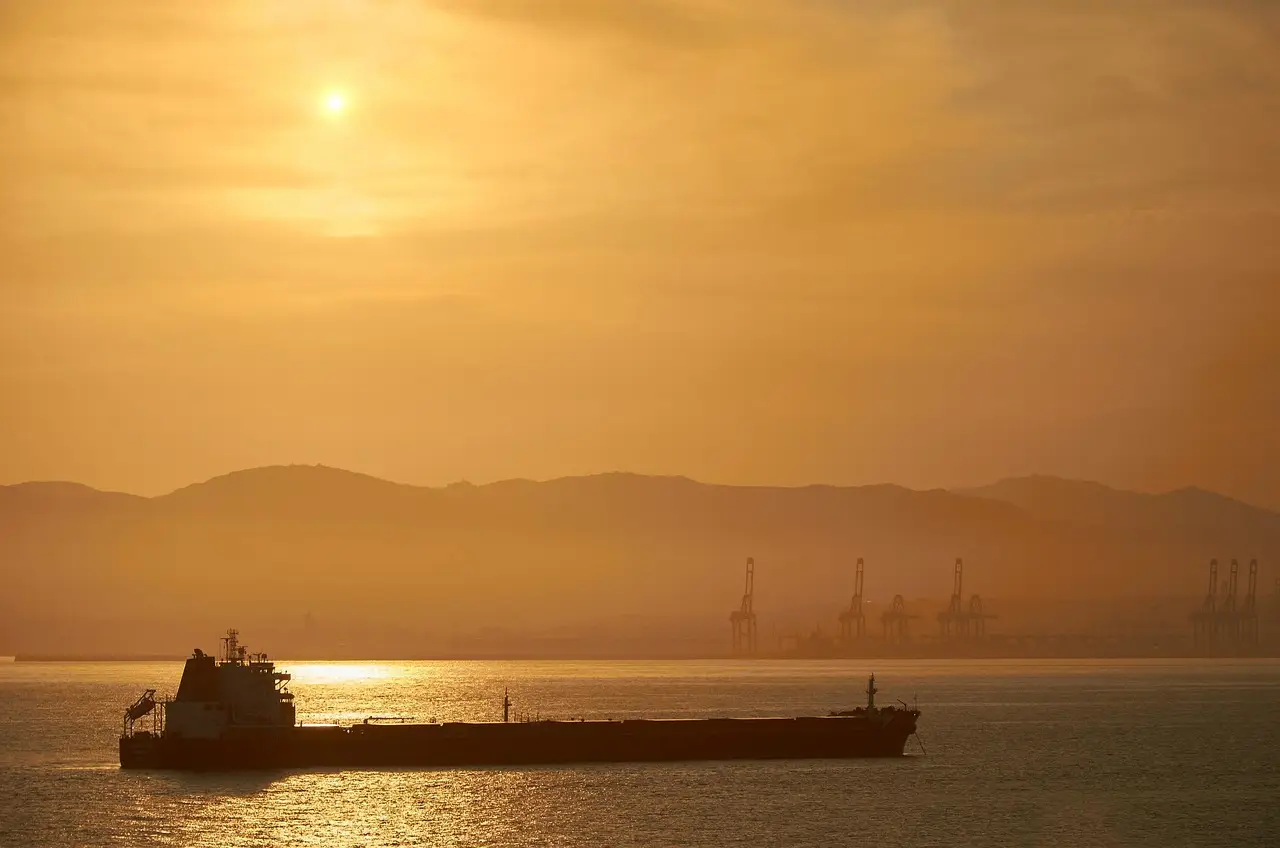
Russian crude export volumes remain only about 10% below pre-war levels, according to UBS data that track where Moscow’s barrels now go.
The analysis by UBS chief economist Arend Kapteyn, titled “Who Is Buying Russia’s Oil?”, examines the destinations and scale of Russian exports. It separates a sharp rerouting of trade from a collapse in the barrels Moscow could sell abroad.
The UBS note came as President Trump’s US-Russia deal to export diesel and crude cargoes drew considerable scrutiny, with initial shipments potentially reaching U.S. shores soon. The broader market context included Ukrainian drone strikes on Russian refineries and disruptions in the Strait of Hormuz, which intensified pressure on global energy markets and refining capacity ahead of the U.S. midterms.
What do the export numbers show?
Kapteyn’s central finding is that restrictions changed where Russian oil went more than how much Moscow could export. He said: “The most visible effect of the restrictions on Russia's oil exports seems to have been to redistribute the global supply of oil.”
The underlying shifts include:
- The EU’s share of Russian crude exports fell from 48% before the war in Ukraine to 4% by September.
- The combined share purchased by China, India and Turkey rose from 29% to 77%.
- An estimated 61% of Russian crude now leaves aboard the so-called shadow fleet, outside Western financing and insurance systems.
The EU still ranks as the largest buyer of Russian LNG despite the collapse in its crude purchases. The data therefore show that Moscow reconfigured its supply chain toward Asian buyers rather than surrendering export capacity.
Takeaway: Moscow lost most of its EU crude market but kept exports close to pre-war levels by changing destinations and tanker arrangements.
Where did the barrels go?
Russia stopped publishing export data in 2022, so UBS uses estimates that roughly correspond to import data reported by trading partners. Its underlying exhibit shows 14-day average export volumes by destination and compares market shares between January-February 2022 and the latest readings.
The country-level data show how far the shift reached:
- In China, Russia’s share of mineral-fuel imports rose from about 18% before the war to 27% since February 2022. That increase displaced imports from Australia, Iran, South Korea, Saudi Arabia, Singapore and the EU.
- In India, Russia’s share jumped from just over 1% to 24%, accompanied by sharp declines in imports from Nigeria, Iran and Saudi Arabia.
Those gains came largely at the expense of other suppliers. The result illustrates the fungibility of oil markets: when one major buyer restricts purchases, another can replace the lost volume, often at a different freight, insurance and compliance cost.
Takeaway: The sanctions rerouted Russian barrels through Asia, where China and India sharply reduced their dependence on other suppliers.
Why is Russia importing fuel products?
Kapteyn wrote: “In recent months, Russia has begun importing significant volumes of refined petroleum products, reflecting the damage Ukrainian strikes have inflicted on its domestic refining capacity.”
Russia normally exports substantial volumes of diesel, fuel oil and naphtha, making significant product imports unusual for one of the world’s largest exporters of those fuels. Kapteyn said the change is one factor keeping global gasoline prices elevated.
The distinction matters for refinery operators and fuel traders. Crude exports have remained resilient, but product imports signal that domestic refining outages have created a need the export market cannot currently meet.
Takeaway: Russian crude exports have held up, but refinery damage has weakened the country’s position in the global products market.
What can sanctions change—and not change?
Despite the EU embargo and the G7 price-cap regime, Russian crude exports remain around 10% below pre-war levels. Kapteyn said the shadow fleet operates outside Western financing and insurance systems, reducing the effectiveness of the sanctions and price-cap regime.
He also said the restrictions are jurisdictional rather than global and therefore do not apply in countries that have not adopted them. His assessment was that sanctions did not seek to remove oil from the global market; their clearest effect was to redraw the map of supply.
The evidence points to a geographic and financing shift rather than a proportional loss of Russian export capacity. Western buyers largely withdrew, Asian buyers absorbed more of the flow, and Russia used tankers that could operate beyond Western financial systems.
Takeaway: Restrictions changed market access and trade routes, but did not produce the collapse in Russian crude exports that many had expected.
What should operators and traders watch?
For the industry, the key variables now extend beyond the headline export volume:
- Whether China, India and Turkey sustain their combined 77% share of Russian crude imports.
- Whether Russian refined-product imports persist as Ukrainian strikes constrain domestic refining capacity.
- Whether the shadow fleet’s estimated 61% share remains outside Western financing and insurance systems.
- Whether initial diesel and crude cargoes under the proposed US-Russia deal reach U.S. shores soon.
The immediate watch item is the first US cargo test, while trade-partner data show whether Moscow’s Asian pivot and product imports have become a durable operating pattern.
via zerohedge.com (Original)
More from James Calloway
Show full bio
Staff writer covering people, launches and day-to-day practice in Oil and gas industry operations and markets at Rig & Refinery.
587 articles
Adjoining reports
- Russia Resumes Diesel Exorts After Trump-Brokered Deal
- Ukrainian Drone Strike Sets Another Russian Refinery Ablaze
- Ukraine's Drone Campaign Against Russian Energy Infrastructure: What Reuters Says Has Been Hit
- Diesel Crack at 2025 Highs as Hormuz, Russia Export Curbs Squeeze Supply
- Brent Slips Below $105 as Russia-Ukraine Energy Ceasefire Talk Lifts Supply Hopes