Well report · filed November 24, 2026
Refining & PetrochemicalsWell report
Ukrainian Drone Strikes Cut Russian Refinery Crude Runs 45%
Russian refinery crude runs are down 45% since late October as Ukrainian drone attacks resumed, Putin vows inevitable retaliation, and fuel rationing spreads across Russian regions.
Field notes
- Ukrainian drone attacks cut Russian refineries' combined crude processing by 45% since late October, per two industry sources cited by Reuters.
- Putin said on Tuesday that 'retaliatory measures on our part are inevitable' after strikes continued despite Trump's mid-October energy ceasefire request.
- Several Russian regions have restricted retail petrol and diesel sales following the renewed attacks.
- Ukraine sank a Russian naval corvette with maritime drones in a Libyan port on Sunday.
- A Russian strike on Zaporizhzhia killed two people and wounded 40, including four children.
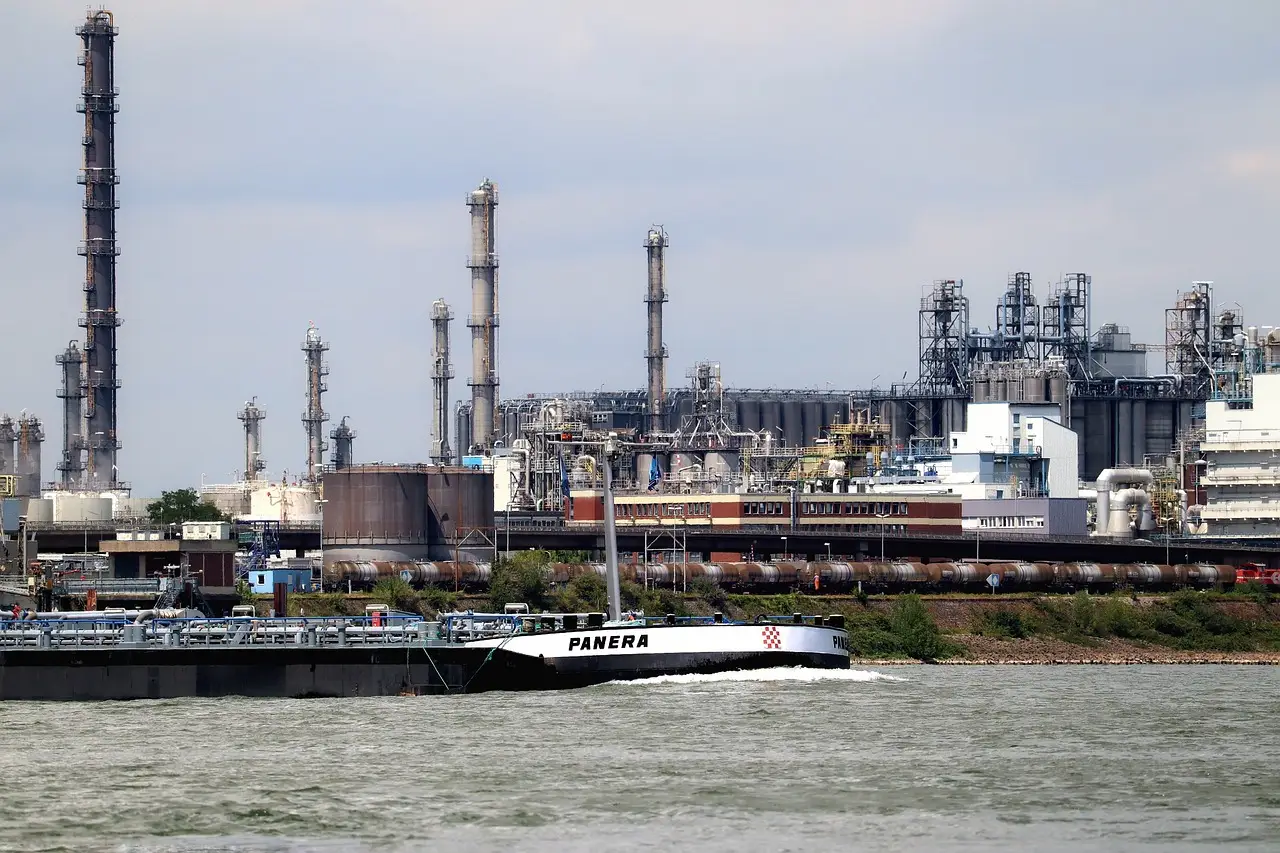
Ukrainian drone attacks have cut Russian oil refineries' combined crude processing volumes by 45% since late October, according to estimates from two industry sources cited by Reuters. The number landed at the worst possible moment for Moscow: with petrol prices only just stabilised and retail fuel restrictions spreading across several Russian regions.
Russian President Vladimir Putin confirmed the damage at a Kremlin meeting of government officials and senior oil executives on Tuesday, and put retaliation on the table.
What did Putin actually say?
He framed the strikes as a direct rebuff of Washington. "We see that the Kyiv regime continues to attack our refining facilities, despite the US president's appeal and direct request to refrain from such attacks. But the Kyiv authorities are ignoring this advice," Putin told the meeting.
Then came the warning: "In this regard, I would like to stress that retaliatory measures on our part are inevitable."
Putin also told the room he wants additional security measures for energy facilities. On the fuel market itself, he acknowledged conditions remain difficult, but said petrol prices have stabilised after peaking in October.
The attacks did pause briefly. Ukrainian strikes on Russian energy infrastructure subsided after US President Donald Trump declared an energy ceasefire in mid-October. They picked up again late that month, and Kyiv has held a firm position on why: officials said Ukraine would stop striking Russian energy targets only when Moscow did the same.
The takeaway: the ceasefire that mattered to refinery throughput lasted roughly two weeks.
How bad is the hit to Russian fuel supply?
The 45% figure on combined crude processing, if it holds, is the sharpest single constraint on Russian refining capacity since the campaign began. Local media and regional authorities report the knock-on effects are already visible at the pump: several Russian regions have introduced restrictions on retail sales of petrol and diesel following the renewed wave of attacks.
For refiners, the pattern is familiar — drone strikes on processing assets, throughput down, product rationing near the affected regions, and domestic prices absorbing the shock. Putin's claim that prices have stabilised since their October peak suggests the worst of the retail squeeze has passed for now, but the processing deficit has not.
The takeaway: Russia's downstream is absorbing the hit for now, with rationing as the pressure valve.
Is the conflict widening beyond Ukraine?
Evidence from the past week points that way. Poland on Tuesday accused Moscow of deliberately violating its airspace after a Russian surveillance drone briefly crossed the border. Al Jazeera's Abdelaziz Mujahid, reporting from Kyiv, said the incursion "may also signal that the conflict and these confrontations are widening."
The incidents stacked up fast:
- Moscow on Monday accused Estonia — a NATO and EU member — of hostile actions "on the verge of triggering open war," after Tallinn announced the closure of their land border.
- Warsaw said three Russian Kh-101 missiles landed in Poland on Friday.
- A Russian cargo ship with military links caught fire in the Baltic Sea on Saturday after a drone attack claimed by Ukraine.
- On Sunday, Ukraine sank a Russian naval corvette in a Libyan port using maritime drones. Foreign Minister Andrii Sybiha called it a legitimate act of self-defence, after criticism from Libya's internationally recognised government in Tripoli.
British security officials added a commercial dimension on Tuesday, warning UK companies providing "material support" to Ukrainian armed forces to brace for Russian sabotage attempts.
On the ground, a Russian attack killed two people overnight in Zaporizhzhia, Governor Mykhailo Semikin said, wounding 40, including four children. Interfax, citing Russia's Defence Ministry, reported Russian forces hit drone control sites, Starlink terminals and other military assets in Ukraine's Sumy region.
The takeaway: the strike campaign has outgrown the Ukraine-Russia border.
The watch item now is whether Putin's promised retaliation targets Ukrainian energy infrastructure in kind — and what that means for the next round of Trump-brokered ceasefire talks.
via aljazeera.com (Source)
More from Elena Vasquez
Show full bio
News editor covering technology and product news in Oil and gas industry operations and markets at Rig & Refinery.
629 articles