Well report No. RR-4200 · T14N · R36W · SEC 2 · filed November 4, 2026
Midstream & PipelinesWell report
Saudi Arabia weighs 10 million bpd non-Gulf pipeline capacity
Saudi Arabia forecasts non-Gulf pipeline capacity of 10 million bpd within two to three years. Aramco studies expansion, new routes and storage as tanker attacks push freight higher.
Field notes
- Saudi Arabia’s non-Gulf pipeline capacity could reach 10 million bpd within two to three years.
- The East-West Pipeline can carry up to 7 million bpd and was carrying 5.8 million bpd on October 6.
- On November 3, Aramco confirmed pipeline and storage studies without a capacity target, cost or timetable.
- More than 130 tanker attacks were reported; freight rates were more than 15 times year-earlier levels, while Hormuz carried 20% of global oil supply before the blockade.
- Third-quarter capex fell to $10.5 billion from $12.6 billion; adjusted net income rose 9% and reported net profit rose 34%.
By Daniel Okafor
Saudi Arabia’s pipeline capacity to destinations outside the Gulf “could reach 10 million barrels a day within two to three years,” Energy Minister Prince Abdulaziz bin Salman said on October 12. Speaking at the WPC Energy Congress in Riyadh, he said pumping-station upgrades on the East-West Pipeline would form part of the increase, Bloomberg reported.
Annualized, 10 million bpd equals about 3.65 billion barrels. The target sits 3 million bpd, or 43%, above the East-West line’s 7 million bpd rating. It covers Saudi pipeline capacity outside the Gulf, not necessarily the East-West line alone.
What is Aramco considering?
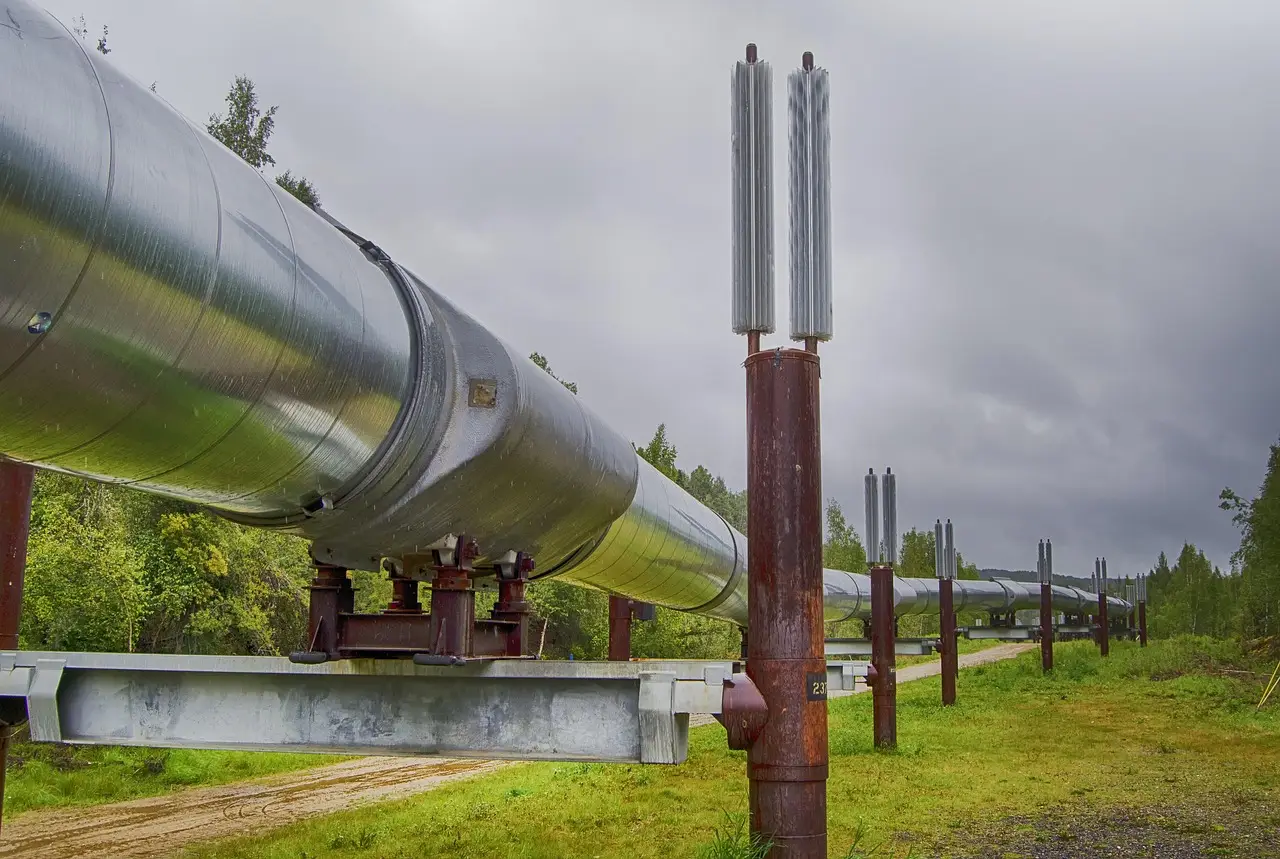
On November 3, Aramco chief executive Amin Nasser said in a statement to Reuters that the company was “exploring an expansion” of the East-West Pipeline. The line carries Saudi crude to Red Sea export hubs and bypasses the Strait of Hormuz.
Aramco is also examining additional export routes and overseas storage capacity. Reuters reported no capacity target, cost or timetable. The proposal therefore remains a pre-sanction study, with no announced startup date.
Aramco has set a direction, not yet a project budget.
How much can the East-West carry now?
The line can carry up to 7 million bpd. On October 6, the minister said it was carrying 5.8 million bpd, 1.2 million below the stated maximum and about 83% of the rating.
Reuters reported that the line has been attacked several times during the US-Iran war. The National reported that it shut temporarily after missiles launched from Iraqi territory damaged a pumping station.
The station damage shows how quickly nominal capacity can become unavailable. The pumping-station upgrades in the minister’s program target that operational constraint.
The line has nominal spare capacity, but attacks have shut it.
What have tanker attacks changed?
Nasser said more than 130 attacks on tankers had been reported so far, mainly against very large crude carriers, which Reuters noted can carry 2 million barrels each.
He said the attacks had pushed freight rates to more than 15 times their level a year earlier. Reuters also said the Strait of Hormuz carried 20% of global oil supplies before the effective blockade.
The figures sharpen the commercial case for the alternative routes and storage that Aramco is studying. The report gives no dollar freight rate, estimated rerouting volume or project cost for those options.
The freight market has supplied the clearest case for alternatives.
What did Aramco earn and spend?
Aramco’s third-quarter results, covered in Oil & Gas Journal’s earnings report, showed adjusted net income up 9% and reported net profit up 34%. The reported profit increase benefited from a one-off gain on the sale of Aramco’s PRefChem stake to Petronas.
Aramco said third-quarter capital expenditure was $10.5 billion, about AED 38.6 billion, down from $12.6 billion, or AED 46.3 billion, a year earlier. The dollar reduction was $2.1 billion, or roughly 17%.
The 25-percentage-point spread between adjusted net income growth and reported profit growth requires the distinction. The reported figure included the PRefChem sale, so the 34% headline does not describe recurring operating growth on its own.
Profit rose, but a one-off sale helped the headline while capital spending moved lower.
What remains unwritten?
The ministerial forecast gives the policy side a two-to-three-year horizon. It does not convert Aramco’s exploration into a funded expansion with a disclosed capacity, cost, schedule or startup date.
Neither statement identified a sanction decision, construction award or permit timetable. The unanswered project variables are straightforward:
- target capacity for the expansion;
- capital cost;
- construction and startup schedule; and
- financing and sanction decision.
Aramco has options, not yet a project. The watch item is a sanctioned expansion decision with firm capacity, cost and timetable; freight rates remain the nearer commercial test.
via Google News: Pipelines and midstream (Source)
More from Daniel Okafor
Show full bio
Market editor covering companies, deals and strategy in Oil and gas industry operations and markets at Rig & Refinery.
560 articles