Well report No. RR-3200 · T4N · R40W · SEC 4 · filed October 30, 2026
Petroleum MarketsWell report
OPEC+ Poised to Hold December Quotas as 2027 Baseline Talks Loom
OPEC+ is expected to hold December quotas unchanged on Sunday after finishing its 1.65 million bpd rollback, with talks now shifting to 2027 production baselines.
Field notes
- OPEC+ expected to keep December quotas unchanged at Sunday's meeting, per Reuters sources
- Seven producers completed the phased rollback of 1.65 million bpd of cuts in September
- Hormuz flows nearly reached pre-war levels in August-September, excluding Iran's supply
- Another layer of OPEC+ cuts runs through end-2026
- Group focus has shifted to setting 2027 production baselines
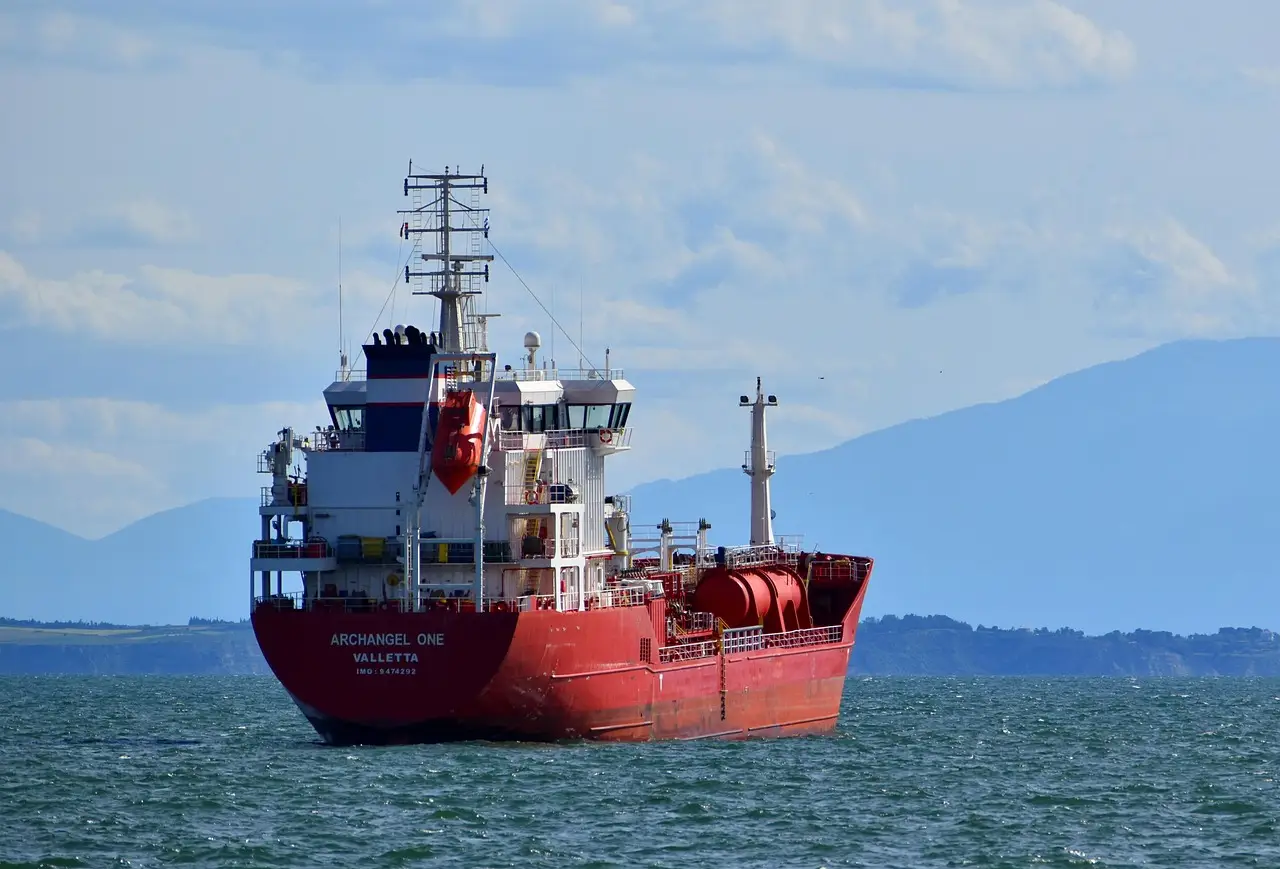
OPEC+ is expected to leave its December production quotas unchanged when the group meets on Sunday, sources familiar with the plans told Reuters on Tuesday. The hold follows completion of a phased rollback of 1.65 million barrels per day (bpd) of supply cuts in September, first agreed in 2023.
That rollback covered seven core producers: Saudi Arabia, Russia, Iraq, Kuwait, Kazakhstan, Algeria, and Oman. All seven have kept their targeted output flat since the September increase closed out the unwind. On paper, the group has restored the full 1.65 million bpd. In practice, it hasn't.
What happened to the extra barrels?
Much of the added supply never reached the market. The Middle East conflict disrupted crude flows through the Strait of Hormuz, the chokepoint handling most Gulf crude exports. Many Gulf producers slashed output in the spring as a result.
Flows through Hormuz began recovering in August and September. They have since nearly returned to pre-war levels, excluding Iran's supply. Even so, many Gulf members of OPEC+ still pump below their respective quotas eight months after the disruption began, according to Reuters' sources.
The war in Ukraine added a second drag. Exports from Russia and Kazakhstan — two of the seven producers unwinding cuts — have been hit by the conflict, widening the gap between quota and actual output.
Takeaway: quotas have risen faster than production for most of 2026.
Why hold quotas now?
The logic is straightforward. The group has just finished a year of monthly quota increases. Saudi Arabia and Russia, who lead the alliance, have spent much of 2026 raising targets month by month. September marked the end of that program.
There is also unfinished business. OPEC+ still maintains another, separate layer of production cuts covering most of its members through the end of 2026. That layer has not been touched.
Holding December quotas flat gives the group a clean break before the bigger argument starts. Producers' attention has already turned to 2027 production baselines — the reference levels that determine how each country's quota is calculated, and the foundation for any future cuts.
Takeaway: the pause is procedural, not a signal about demand.
What's at stake in the 2027 baselines?
Plenty. The alliance plans to review and set the baselines for any cuts going forward, and the debate over 2027 quotas appears to have already shifted to the center of the group's discussions. Baseline fights are where OPEC+ members defend their market share. Getting them wrong can fracture the alliance.
For refiners and traders, the immediate read is limited. A quota hold in December, with most Gulf producers already pumping under target, changes little in physical supply. The real movement will come from the baseline negotiations — and from whether Hormuz flows hold near pre-war levels through winter.
Watch items: Sunday's meeting decision, any language on 2027 baselines, and confirmation of a further layer of cuts running through end-2026. None of these has been decided yet, despite what sources describe as a clear lean toward a hold.
via reuters.com (Original)
More from Priya Raman
Show full bio
Senior reporter covering technology and product news in Oil and gas industry operations and markets at Rig & Refinery.
585 articles