Well report No. RR-4222 · T2N · R12W · SEC 2 · filed October 10, 2026
Refining & PetrochemicalsWell report
Saudi Pipeline Attack, Rejected Peace Plan Keep China Resin Prices Firm
ChemAnalyst reports China's petroleum resin prices held firm through September, driven by a Saudi pipeline attack and a rejected peace plan keeping crude risk premium elevated.
Field notes
- China's petroleum resin prices held firm through September, per ChemAnalyst
- A Saudi pipeline attack supported feedstock costs and downstream pricing
- A rejected peace plan removed expected geopolitical risk relief
- Cost pressure moved from crude through naphtha-based feedstocks into resin quotations
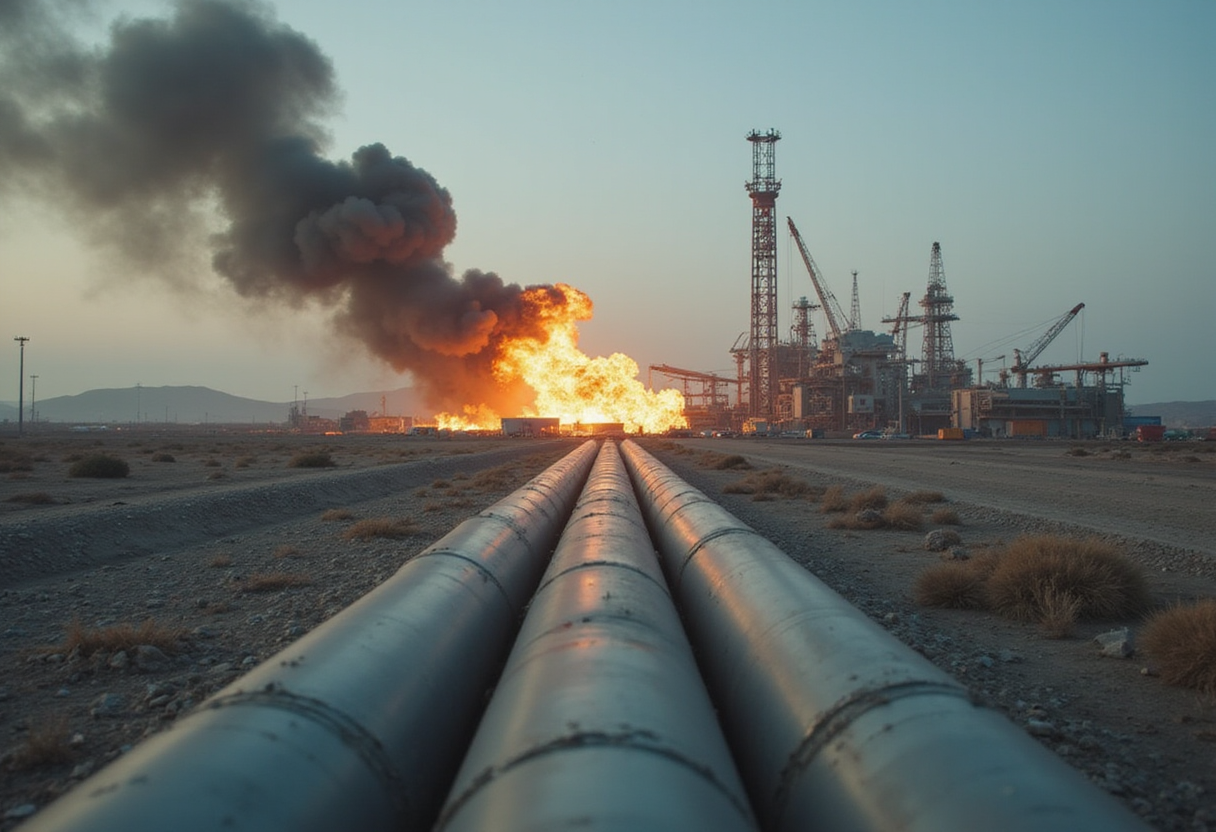
China's petroleum resin prices held firm through September, and two supply-side events explain why: an attack on a Saudi pipeline and the rejection of a peace plan that markets had counted on to ease geopolitical risk.
ChemAnalyst, which tracks the pricing, reports that both developments kept a floor under Chinese petroleum resin quotations for the month. The feedstock chain matters here. Petroleum resin production runs on derivatives of crude — C5 and C9 streams that track naphtha and, upstream of that, Arabian crude. When Saudi export infrastructure comes under attack, the market prices the disruption into every downstream molecule.
What does the pipeline attack change?
An attack on a Saudi pipeline does two things at once. It removes physical barrels, or the threat of removing them, from a system that buyers in Asia depend on for term supply. It also raises the risk premium that traders attach to anything moving out of the Gulf.
For Chinese resin buyers, the effect arrives indirectly but firmly. Crude strength feeds naphtha, naphtha feeds the C5/C9 feedstock pool, and that pool sets the cost base for petroleum resin makers. ChemAnalyst's reading of September pricing shows those costs moved through the chain and held quotations up rather than being absorbed by producers.
Why did the peace plan matter?
The second leg of the story is the rejected peace plan. Markets had priced in some de-escalation; when the plan fell through, the geopolitical discount came off the table. Risk premium returned, crude found support, and downstream petrochemical pricing in China lost its most plausible path back to softer levels.
ChemAnalyst attributes the firm September resin market to the combination: a physical supply threat plus a diplomatic setback that removed expectations of relief.
How firm is 'firm'?
According to ChemAnalyst's assessment, the firmness is about direction and duration rather than a single spike. Chinese petroleum resin prices stayed elevated through September rather than retracing, which is what buyers and compounders would have wanted heading into the fourth quarter.
Producers, by contrast, gained cost cover: feedstock inflation justified holding offers, and the geopolitical backdrop gave them reason to resist discounts.
What should buyers watch next?
The watch items are straightforward. Any further incident affecting Saudi pipeline or export infrastructure would extend the risk premium into the fourth quarter. Any revived diplomatic track that produces an accepted framework would work the other way and could let crude, naphtha and resin pricing soften together. Until one of those triggers moves, ChemAnalyst's September picture — firm Chinese petroleum resin prices on Saudi supply risk and stalled peace prospects — stands as the base case.
via Google News: Pipelines and midstream (Source)
More from Elena Vasquez
Adjoining reports
- Chinese Crude Benchmarks Hit Record Highs After Saudi Pipeline Attack
- Attack on Saudi Pipeline Puts Gasoline Prices Back in Focus
- Saudi pipeline halt pulls crude off lows; Aramco flags short relief
- Crude Trims Advance as Saudi Pipeline Returns to Service
- Crude Extends Rally as Iran Risk Premium Holds Despite Saudi Restart