Well report No. RR-5690 · T10N · R44W · SEC 34 · filed October 30, 2026
Refining & PetrochemicalsWell report
Shell's Q3 Earnings Hit $10.81 Billion as Refining Margin Reaches $42/bbl
Shell's Q3 adjusted earnings reached $10.81 billion on a refining margin of $42/bbl and the ARC Resources close, with a new $5-billion buyback and LNG Canada Phase 2 sanctioned.
Field notes
- Q3 2026 adjusted earnings of $10.81 billion, up from $9.84 billion in Q2 and nearly double $5.43 billion a year earlier.
- Global indicative refining margin surged to $42/bbl from $24/bbl; refinery utilization averaged 96%.
- New $5-billion share buyback announced; capex guidance cut to $23-25 billion from $24-26 billion.
- ARC Resources acquisition closed Sept. 2 for $14 billion, adding about 370,000 boe/d.
- LNG Canada Phase 2 FID will double capacity to 28 million tonnes/year, operational in the early 2030s.
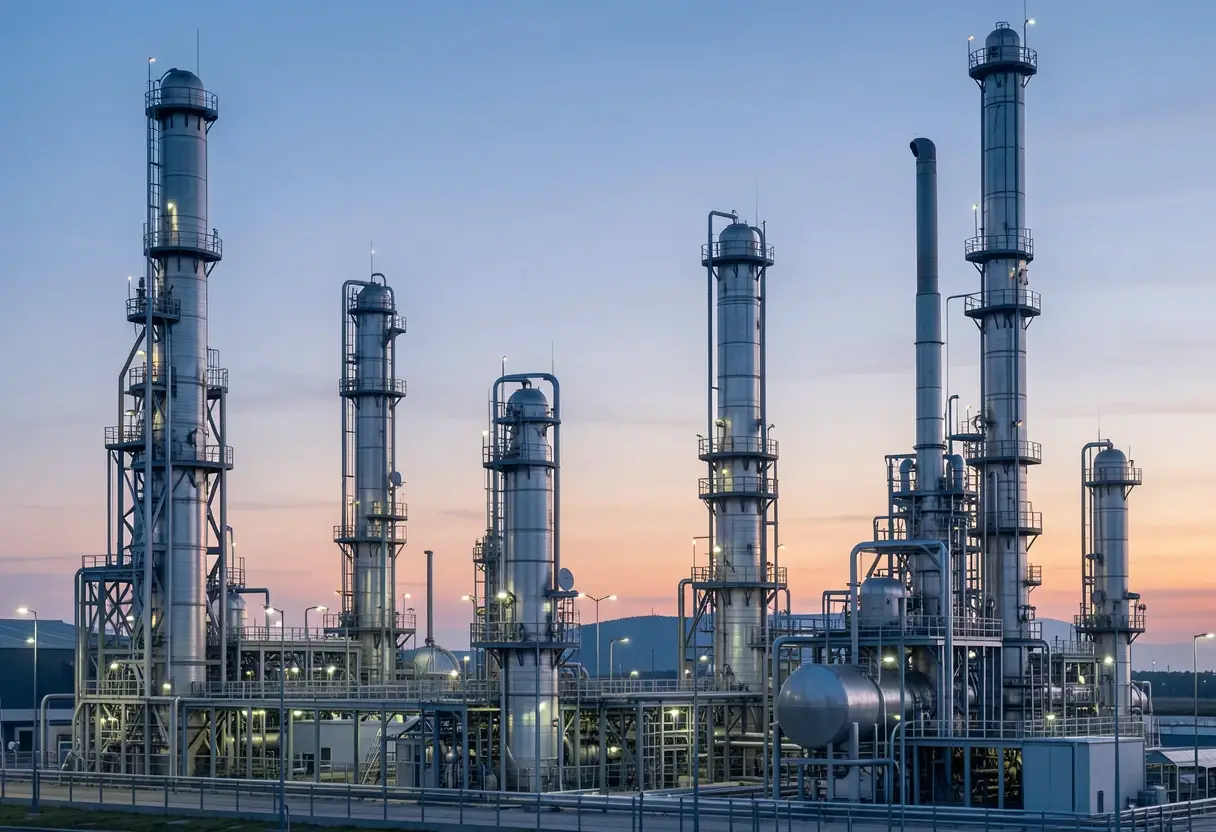
Shell plc posted third-quarter 2026 adjusted earnings of $10.81 billion, up from $9.84 billion in the second quarter and nearly double the $5.43 billion reported a year earlier. Record refining margins and stronger Integrated Gas results more than offset a decline in upstream earnings. Income attributable to shareholders reached $12.06 billion, compared with $10.82 billion in the prior quarter.
Chief executive officer Wael Sawan credited strong operational performance for the results amid continued disruptions to global energy markets and Middle Eastern energy supplies in particular.
The company answered with shareholder returns and tighter capital discipline. Shell announced a new $5-billion share buyback program, held its quarterly dividend at $0.3906/share, and cut full-year 2026 cash capital expenditure guidance to $23-25 billion from $24-26 billion.
What drove the numbers?
Cash flow from operations reached $21.04 billion, against $21.43 billion in the second quarter. Free cash flow slipped to $16.32 billion from $17.52 billion. Net debt fell to $39.73 billion from $41.75 billion at end-June, bringing gearing down to 16.6%.
The gains rested on higher refining margins, improved realized LNG prices and increased gas production. Weaker crude and oil products trading, lower realized liquids prices and higher exploration well write-offs pulled in the other direction.
The refining margin number is the one practitioners will study. Shell's global indicative refining margin surged to $42/bbl from $24/bbl in the prior quarter. That margin move, not volume, carried the segment: Chemicals & Products adjusted earnings climbed to $3.86 billion from $2.88 billion even as refinery utilization eased to 96% from 102% and processing intake declined to 1.21 million b/d from 1.27 million b/d.
The takeaway: the downstream captured near-record unit margins on slightly lower throughput — a price story, not a runs story.
Integrated Gas and the Canadian build-out
Integrated Gas adjusted earnings rose to $3.04 billion from $2.69 billion, lifted by higher realized prices and a production jump to 772,000 boe/d from 631,000 boe/d. The step-up mainly reflects completion of the ARC Resources acquisition in September. LNG liquefaction volumes fell to 7.4 million tonnes from 7.7 million tonnes on planned maintenance, while LNG sales rose to 19.3 million tonnes from 18.0 million tonnes.
Canada anchored the quarter's portfolio moves. Shell closed its $14-billion acquisition of ARC Resources on Sept. 2, adding roughly 370,000 boe/d and deepening its Canadian natural gas position. It also sanctioned LNG Canada Phase 2, doubling the plant's capacity to 28 million tonnes/year, with commercial operations expected in the early 2030s.
In plain terms, Shell just committed its next decade of LNG growth to Canadian feedstock it now controls upstream.
Where the quarter slipped
Upstream adjusted earnings fell to $3.19 billion from $3.49 billion, hurt by lower realized liquids prices of $84/bbl versus $89/bbl, higher exploration well write-offs and unfavorable tax movements. Realized gas prices moved the other way, rising to $10/Mcf from $8.30/Mcf. Production averaged 1.80 million boe/d, against 1.82 million boe/d in the second quarter.
Marketing adjusted earnings declined to $1.16 billion from $1.33 billion on weaker mobility margins and lower lubricants volumes. Renewables & Energy Solutions swung higher, to $289 million from $79 million, on stronger trading and optimization results.
What to watch next
Fourth-quarter guidance points to continued momentum in gas: Integrated Gas production of 1.08-1.18 million boe/d and LNG liquefaction volumes of 7.3-7.9 million tonnes. Upstream production is forecast at 1.70-1.90 MMboe/d.
Shell reports fourth-quarter and full-year 2026 results on Feb. 4, 2027 — the date to mark is whether the $42/bbl refining margin holds or reverts toward its $24/bbl second-quarter level.
via Oil & Gas Journal (Source)
More from James Calloway
Show full bio
Staff writer covering people, launches and day-to-day practice in Oil and gas industry operations and markets at Rig & Refinery.
595 articles