Well report No. RR-5701 · T9N · R48W · SEC 9 · filed October 30, 2026
Refining & PetrochemicalsWell report
Shell Q3 2026 net income doubles to $12.1bn on refining margins
Shell's Q3 2026 net income more than doubled to $12.1bn as the global refining margin hit $42/bbl; the company lifted its buyback to $5bn and sanctioned LNG Canada Phase 2.
Field notes
- Shell Q3 2026 net income hit $12.1bn, up 128% from $5.3bn in Q3 2025.
- Global indicative refining margin climbed to $42/bbl from $11.6/bbl a year earlier.
- Shell announced a $5bn buyback for the next three months, up from $3.5bn.
- FID taken on LNG Canada Phase 2; ARC Resources acquisition completed.
- Shell flagged a ~$6.4bn non-cash Q4 loss on Netherlands pension plan derecognition.
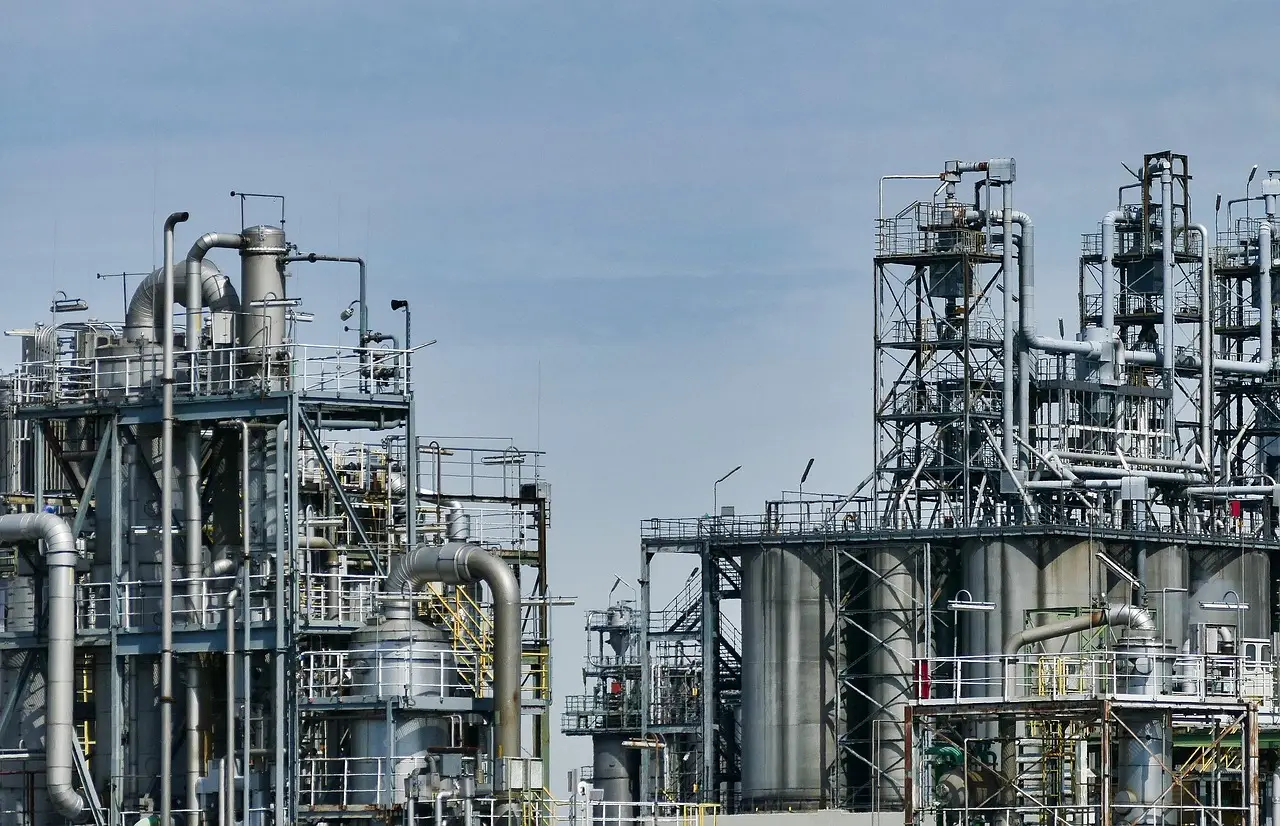
Shell booked $12.1bn in third-quarter 2026 net income attributable to shareholders. That is more than double the $5.3bn recorded in Q3 2025 — a 128% surge. The energy major credited record refining margins and elevated commodity prices amid continued disruption to the global energy system.
Adjusted earnings came in at $10.8bn, up 99% from $5.4bn. Cash flow from operations rose 72% year on year to $21.0bn. Adjusted EBITDA (earnings before interest, tax, depreciation and amortisation) grew 54% to $22.7bn. Free cash flow reached $16.3bn, against $10.0bn a year earlier.
Takeaway: every headline cash metric roughly doubled, and refining did the lifting.
Which division drove the surge?
Chemicals and Products was the principal driver. Adjusted earnings for the division rose to $3.9bn from just $550m in Q3 2025 — a sevenfold increase. The global indicative refining margin (Shell's benchmark crack spread measure) climbed to $42 per barrel from $11.6 per barrel a year earlier.
That margin number deserves scrutiny. A near-quadrupling of the benchmark margin reflects structural tightness in distillation capacity, not operational improvement at any single refinery. Shell did not break down which of its refining hubs captured the uplift, a gap worth watching when peers report.
Integrated Gas adjusted earnings rose 42% to $3.0bn from $2.1bn, on higher gas and LNG (liquefied natural gas) prices. LNG sales volumes increased to 19.3 million tonnes from 18.9 million tonnes. Segment production, however, fell to 772,000 barrels of oil equivalent per day (boepd) from 934,000 boepd.
Upstream adjusted earnings climbed 77% to $3.2bn from $1.8bn. Total upstream production edged lower to 1,802,000 boepd from 1,832,000 boepd. Higher realisations, not volumes, carried both segments.
Takeaway: earnings growth came from prices and margins, while physical output declined in both gas and upstream.
What did Shell sanction and buy?
Two structural moves landed in the quarter. Shell completed its acquisition of ARC Resources last month. It also took a final investment decision (FID — the board-level commitment to fund construction) on LNG Canada Phase 2.
Chief executive Wael Sawan said: "We are further investing in our advantaged Integrated Gas business with the completion of the ARC Resources Ltd. acquisition and the final investment decision on LNG Canada Phase 2, supporting Shell's long-term cash flow growth."
Note what the CEO did not say: no volume guidance, cost figure or startup date for LNG Canada Phase 2 accompanied the statement. The ARC deal shows up in guidance, though. Shell guided Integrated Gas production for Q4 2026 at 1,080,000 to 1,180,000 boepd, reflecting added ARC volumes — a steep step up from the 772,000 boepd reported this quarter.
Takeaway: the gas portfolio grows by acquisition and FID, not by organic well performance.
What returns to shareholders?
Shell announced a $5bn share buyback programme for the next three months. That compares with the $3.5bn buyback announced alongside Q3 2025 results — a 43% step up in the quarterly pace.
The balance sheet moved in step. Net debt declined to $39.7bn from $41.2bn a year earlier. Gearing (net debt as a share of total capital) fell to 16.6% from 18.8%.
Full-year 2026 cash capital expenditure, including ARC Resources, is guided at $23bn to $25bn.
Takeaway: cash is going to buybacks and debt reduction while capex holds inside a tight band.
What could hit Q4?
Shell flagged one material caveat. It expects a non-cash loss of approximately $6.4bn in Q4 2026, related to the derecognition (accounting removal from the balance sheet) of its Netherlands defined benefit pension plan. The figure is subject to change, the company said.
The loss is non-cash, so it should not touch the buyback capacity. But it will compress reported net income, and analysts will need to strip it from comparatives. Shell's own caution — "subject to change" — is doing honest work in that sentence.
Takeaway: expect an optical earnings drop in Q4 that says nothing about underlying performance.
What is the watch item?
The Q4 gas production guide of 1.08-1.18 million boepd is the number to track. It tests whether the ARC acquisition integrates on schedule. Behind it sits the durability of that $42/bbl refining margin — the single factor that turned Chemicals and Products from a $550m afterthought into a $3.9bn engine this quarter.
via Offshore Technology (Source)
More from Priya Raman
Show full bio
Senior reporter covering technology and product news in Oil and gas industry operations and markets at Rig & Refinery.
585 articles
Adjoining reports
- Eni's Q3 Profit Doubles to $3.14 Billion on Refining Margin Surge
- Dangote Refinery Posts $4.73 Billion Profit Ahead of Record IPO
- BP Posts $8.6 Billion Quarterly Profit as Refining Margin Hits $46.7/b
- Refiners Lead 16.5% Q3 Energy Rally as Fuel Markets Tighten
- Big Oil Banks Billions but Refuses to Splash the Cash