Well report No. RR-4350 · T24N · R30W · SEC 36 · filed October 9, 2026
Midstream & PipelinesWell report
Syrian pipeline attacks cloud regional energy ambitions
Al Majalla reports that repeated strikes on Syrian pipeline infrastructure are undermining cross-border energy ambitions, leaving regional planners without a clear restart timeline or operator disclosure.
Field notes
- Al Majalla reports pipeline attacks in Syria are threatening regional energy ambitions
- The Syrian section of the Arab Gas Pipeline has been repeatedly knocked offline in recent years
- The source headline does not specify which segment was struck or the volume of gas affected
- Regional planning pivots on Syrian geography for Egyptian-to-Lebanese and Iraqi-to-Mediterranean transit
- No operator-level disclosure on restart timing or throughput estimate is included in the source
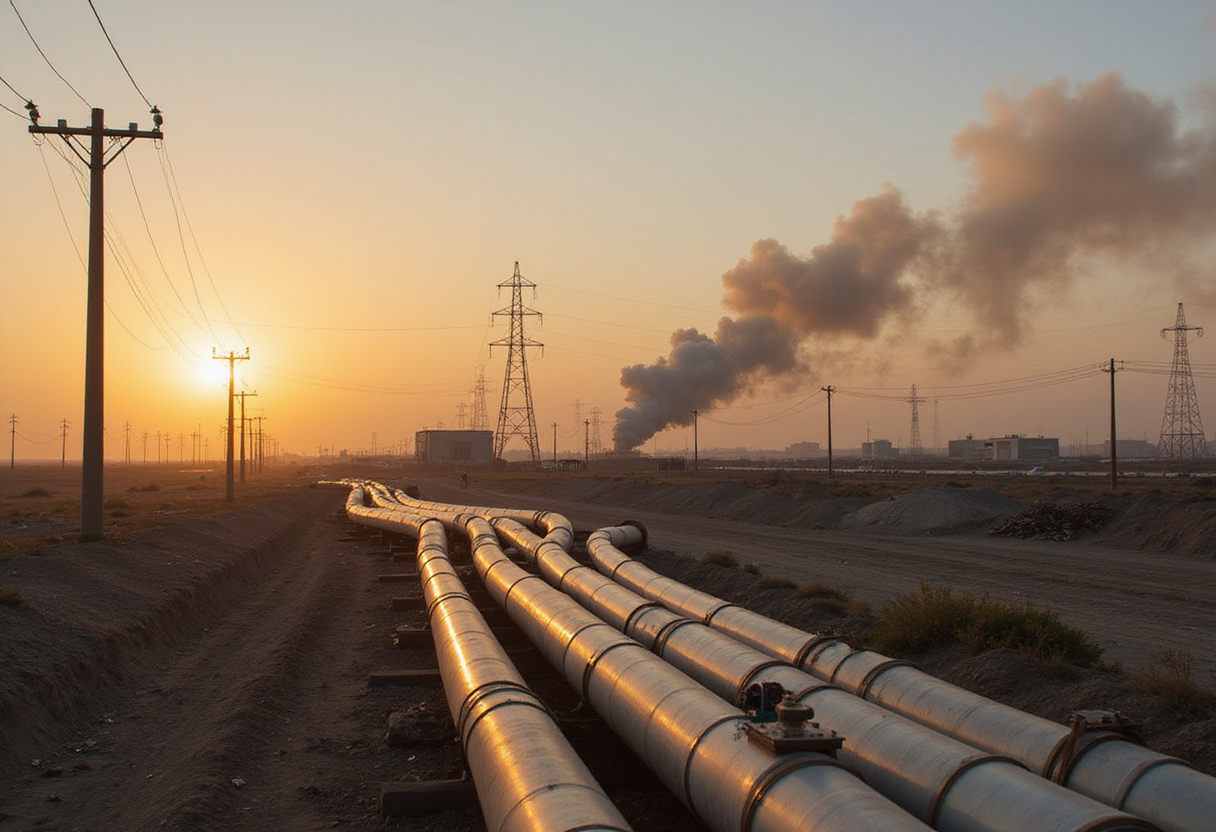
Repeated strikes on Syrian energy infrastructure are eroding the case for cross-border supply routes that ministries in Amman, Beirut, and Baghdad have been quietly reopening, according to Al Majalla.
The London-based publication's headline-level signal — that pipeline attacks in Syria threaten regional energy ambitions — matters because Syrian transit has sat at the centre of Levant planning for years. The Arab Gas Pipeline, which historically carried Egyptian gas north through Jordan into Syria and Lebanon, has seen its Syrian leg repeatedly knocked offline. Each new attack narrows the margin for any near-term restart.
What infrastructure sits in the firing line?
Two corridors carry the strategic weight. The first is the Syrian section of the Arab Gas Pipeline, where Egyptian volumes once fed Lebanese power plants. The second is the broader grid that connects Iraqi production to Mediterranean export points. Both have been recurring targets rather than one-off incidents, which is the structural point Al Majalla is signalling.
For Jordan, the question is whether Egyptian flows can resume at scale. For Lebanon, the question is whether imports from Syria can hold nominal volumes. For Iraq, the question is whether export optionality through Syrian territory remains on the table at all. None of those answers can move forward while attacks on the pipeline network continue.
Why does the geography matter?
Syria sits on the shortest routing map between Egyptian gas fields and Lebanese demand centres, and between Iraqi production and Mediterranean terminals. Any plan that bypasses Syrian territory adds cost, lengthens timelines, and shifts volume to LNG. That is why each strike registers in capital cities that have nothing to do with the immediate damage.
Al Majalla's framing — that the attacks threaten regional energy ambitions — is a measured way of saying the security envelope is no longer credible. Planners who had been pencilling in incremental Syrian transit for 2025 and 2026 will be pricing in a higher risk premium, or removing Syrian routing from the base case entirely.
What details remain unclear?
The Al Majalla headline does not specify which pipeline segment was struck, the volume of gas affected, or the duration of the outage. It does not name an operator, a claims date, or a restart estimate. Those are the data points traders and ministry planners will be asking for, and they are not in the public reporting captured in the source headline.
Until operator-level disclosures confirm the latest scope of damage, the regional energy map will continue to carry Syria as a question mark rather than a waypoint.
What is the watch item?
- Confirmation from the Syrian Ministry of Petroleum or the relevant operating entity on which segment was struck
- Restart timing and a credible throughput estimate for the affected line
- Statements from the Jordanian or Lebanese ministries on import schedule changes
- Whether force majeure clauses are triggered in any active transit or supply contract
- Any OPEC-adjacent commentary from Baghdad on alternative export routing
The watch item is the next operator disclosure. Until that lands, Al Majalla's headline stands as the working thesis: Syrian pipeline attacks are not isolated events but a structural tax on every regional energy plan that runs through Syrian geography.
via Google News: Pipelines and midstream (Source)
More from Daniel Okafor
Show full bio
Market editor covering consumer brands and retail at Rig & Refinery.
144 articles
Adjoining reports
- Middle East Conflict Puts Saudi Arabia's Oil Pipeline to the Test
- Chatham House Maps Routes Around the Strait of Hormuz
- Iraq Seeks Oil Export Routes Around the Strait of Hormuz
- Saudi Pipeline Shutdown Blamed on Iran-Backed Iraqi Militias
- Saudi Arabia Halts Key Crude Pipeline After Drone Strike Launched From Iraq