Well report No. RR-4023 · T19N · R12W · SEC 19 · filed October 19, 2026
Upstream Drilling & ProductionWell report
Trump plan floats drilling near US World Heritage site
The Trump administration has drafted a plan to permit oil and gas drilling adjacent to a federally designated UNESCO World Heritage site, according to The Guardian. Plan specifics remain undisclosed.
Field notes
- Trump administration has prepared a draft plan to permit drilling adjacent to a US World Heritage site, per The Guardian
- US inscribes 24 sites on the UNESCO World Heritage list
- Plan text, site name, lease acreage, royalty terms and timeline remain undisclosed in early reporting
- Conservation groups, tribal authorities and tourism operators object on procedural grounds
- Final federal record of decision typically runs 18 to 36 months from initial notice
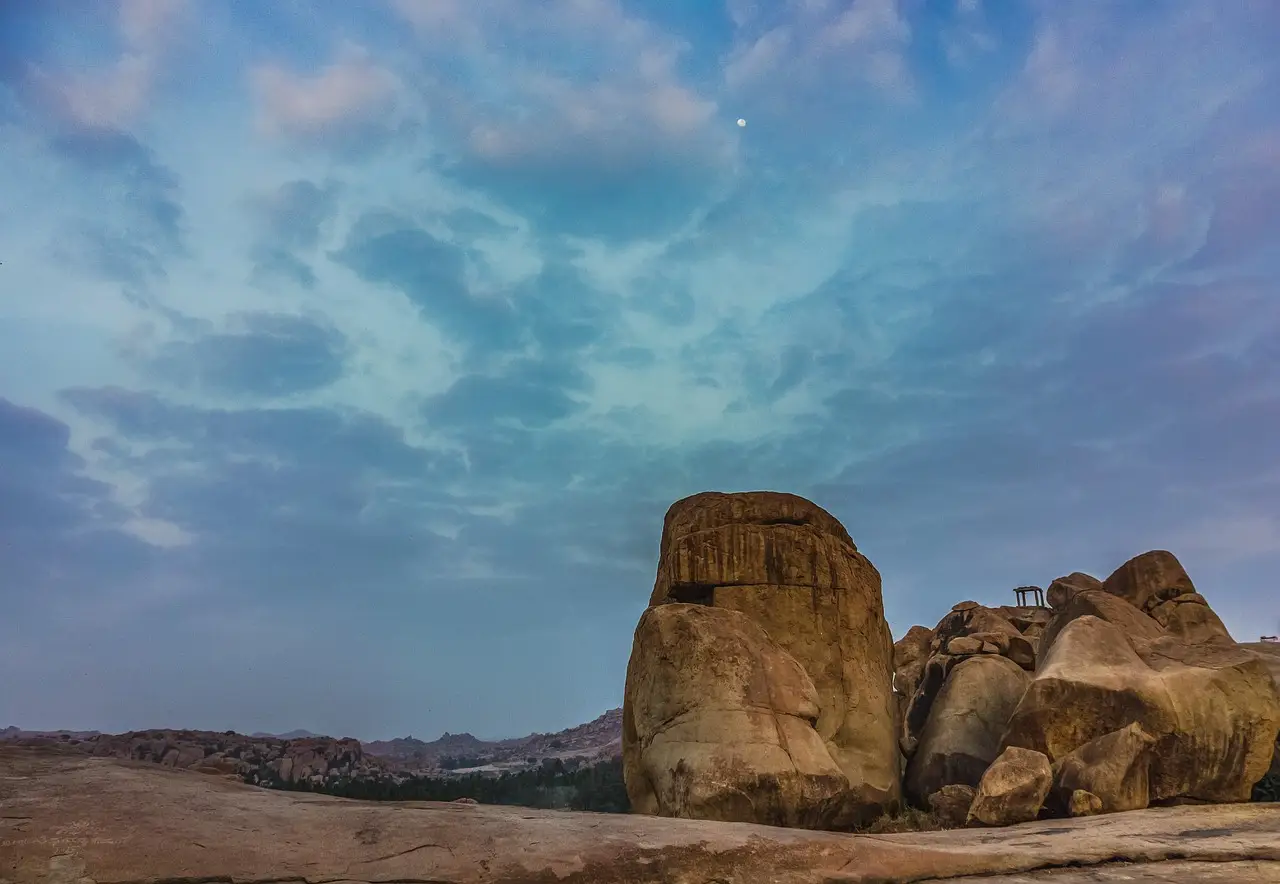
The Trump administration has prepared a draft plan to permit oil and gas drilling adjacent to a federally designated UNESCO World Heritage site, according to The Guardian. The proposal would unwind long-standing protections over acreage held under federal heritage designation. The plan text, the specific site, the lease acreage, and the royalty terms remain undisclosed in early reporting.
What protections would the plan unwind?
The United States inscribes twenty-four sites on the World Heritage list, ranging from Yellowstone to the Statue of Liberty. Federal practice has held extraction off-limits within or near those tracts through a combination of statute, regulation, and executive discretion. A formal decision to permit leasing inside or beside a designated inscription would mark the first such reversal of the modern era. For upstream operators, the policy would unlock acreage currently screened out of federal bid rounds by protective overlays, a meaningful, if bounded, addition to the national drillable inventory.
Who has raised alarm?
Conservation organizations, tribal authorities, and regional tourism operators have voiced concern, according to The Guardian. Their objections rest on three legs:
- The procedural risk of an UNESCO in-danger designation
- The legal vulnerability of leases granted absent full tribal consultation
- The commercial damage to heritage-tourism economies that depend on the site's reputation
The coalition mirrors the one that contested prior leasing expansions during the 2017-2021 cycle.
What has industry signaled?
Major producers have not yet issued guidance. Smaller independents with adjacent acreage holdings have indicated interest, citing exploration potential and existing surface agreements. Trade associations have stopped short of formal endorsement, pending publication of the plan text. Service companies have begun mapping the implications for rig deployment, water-handling logistics, and access-road permits on adjacent BLM tracts.
What is the regulatory path?
The administration must publish a draft environmental review, open a public comment window, and obtain concurrence from the relevant land-managing agency, typically the National Park Service for inholdings or the Bureau of Land Management for adjacent tracts. Congress retains a notification role under the 1972 World Heritage Convention and related enabling statutes. Each step introduces delay. Each step also invites litigation from groups with standing. A final record of decision typically runs eighteen to thirty-six months from initial notice, an industry rule of thumb.
What remains undisclosed?
- The site name
- The lease acreage
- The royalty terms
- The timeline
None appear in the Federal Register at the time of this report. Until those filings materialize, the proposal functions as a policy signal rather than a permitting event.
What would an in-danger listing cost?
A UNESCO Committee vote to inscribe the site on the in-danger list carries no direct legal force inside US territory. It carries commercial consequence. Foreign capital tends to discount assets near in-danger heritage sites, and tour operators often reroute itineraries. Domestic oil markets would not reprice on the listing alone, but downstream tourism economies would.
The trade-press takeaway: the story will turn on whether the administration publishes a workable plan or retreats under procedural pressure. Operators with adjacent holdings should monitor Federal Register notices. Conservation litigants should monitor the same docket. The watch item is the first Interior Department filing on Federal Register matters.
via Google News: Oil drilling and production (Source)
More from Daniel Okafor
Show full bio
Market editor covering companies, deals and strategy in Oil and gas industry operations and markets at Rig & Refinery.
500 articles
Adjoining reports
- Trump weighs Arctic drilling carve-out from environmental review
- Alaska Refuge Lease Auction Opens Coastal Plain Acreage to Drilling
- Trump Administration Moves to Auction ANWR Drilling Rights
- U.S. Offshore Drilling Faces Fresh Restrictions, Report Says
- Offshore Drilling Expansion Plan Draws Legal Challenges