Well report · filed November 22, 2026
Refining & PetrochemicalsWell report
Trump, Putin, Xi Pledge More Fuel Supply; Analysts See No Spare Capacity
A Shenzhen summit pledge to raise refined-product supply collides with 95%+ US utilization, Russian throughput down 30% on drone strikes, and Chinese barrels heading to stockpiles, analysts say.
Field notes
- US refinery utilization averaged above 95% of capacity from May to September, highest for those months since 1998
- Russian refinery throughput fell to 3.8 million bpd in June, ~30% below a year earlier and a 20-year low
- Valero agreed to buy and partially restore the LyondellBasell Houston refinery, adding 165,000 bpd by end-2027
- Chinese crude imports recovered to 9.88 million bpd in October, up 9.4% from September
- Diesel prices hit their highest nominal levels on record in September, per the EIA
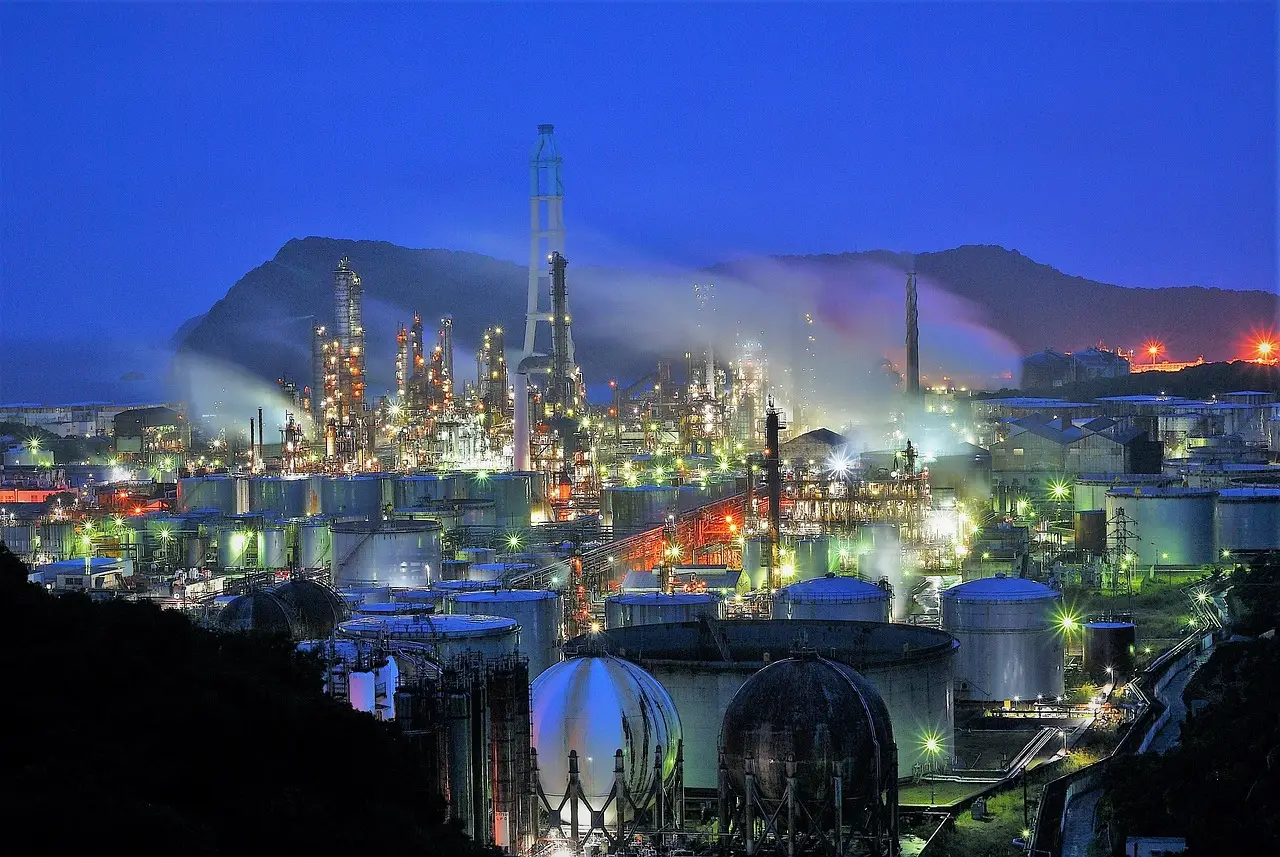
A trilateral pledge by the US, Russia and China to raise refined-product supply runs straight into an operational wall: the three countries' combined refining systems are running flat, under attack, or rebuilding inventories.
Following their summit in Shenzhen on Thursday, US President Donald Trump, Chinese President Xi Jinping and Russian President Vladimir Putin said in a joint statement that they "plan to increase the production and supply of refined petroleum products for the benefit of all nations" and "reaffirmed the importance of stable energy flows."
Analysts dismissed the language quickly.
"The trilateral statement should be treated as political noise rather than the first step to boosting global fuel supplies," Hamad Hussain, senior climate and commodities economist at Capital Economics, told Al Jazeera.
"The announcement sounds like it is designed to placate consumers and constituencies. Previous efforts to increase supply [like the US-Russian diesel deal] went nowhere," said Frederic Schneider, nonresident senior fellow at the Middle East Council for Global Affairs.
What does each country actually have to give?
China and the US are the world's largest refiners by capacity, followed by Russia and India. Capacity, however, is not the same as barrels delivered.
- China: roughly 18.5–18.83 million bpd of refining capacity, but dependent on crude imports disrupted by the US–Iran conflict in the Strait of Hormuz. An EIA November report shows Chinese refinery crude imports fell 2.1 million bpd in Q2 2026 and another 0.8 million bpd in Q3.
- United States: about 18.16 million bpd of operable crude distillation capacity as of January 1, already running near full rates. Utilization averaged above 95 percent of capacity between May and September — the highest for those months since 1998, per an October EIA report.
- Russia: roughly 6.5 million bpd of capacity per the IEA, but Ukrainian drone strikes have hammered throughput. June runs fell to 3.8 million bpd, the lowest in more than 20 years and about 30 percent below a year earlier, according to a September IEA report.
- India: about 5.36 million bpd of capacity, but import-dependent and squeezed by the Hormuz blockades.
The pledge, in short, targets three systems with little slack between them.
Can the US refine more barrels?
Not with existing assets. The EIA says US refineries are near maximum capacity, driven by "tight global supplies for distillate fuel oil, leading to high international demand for US distillate fuel oil exports."
Hussain noted that higher prices make refining more profitable, but Washington "does not have spare capacity."
US Energy Secretary Chris Wright has said his department is "talking about reopening every refinery we can." One concrete deal exists: per a November 19 Reuters report, Valero Energy agreed in October to buy the century-old LyondellBasell refinery near Houston and restore part of it, adding 165,000 bpd by end-2027 — roughly 1 percent of US capacity. Analysts put the acquisition and recommissioning cost near $1bn.
Can Russia export its way to compliance?
Russian refining is under sustained assault. The IEA counted a Russian refinery hit on average once every three days in the first eight months of 2026. Reuters reports drone attacks have cut combined crude processing by 45 percent since late October.
Rationing is spreading. In Sevastopol, Russia-installed governor Mikhail Razvozhayev said petrol sales were limited from Thursday to one full tank plus 20 litres in jerrycans. Tomsk capped petrol at 30 litres and diesel at 50 litres last week. Penza restricted petrol to 50 litres and diesel to 200 litres per vehicle on Thursday, with at least half a dozen other regions imposing limits earlier this month.
The October Trump–Putin deal allowing some Russian diesel exports has produced no delivered barrels; traders have refused to take the fuel.
The EIA notes Russia's refinery losses have "reduced refining activity in Asia and the Middle East, contributing to diesel prices increasing to the highest nominal levels on record in September."
Can China close the gap?
Partly. Crude arrivals recovered to 9.88 million bpd in October, up 9.4 percent from September's 9.03 million and the most since March, per Reuters — though still below the 10.5 million bpd of seaborne imports Vortexa recorded before the Iran war began on February 28. Beijing is also stockpiling again.
"China does have some spare refinery capacity it could utilise," Hussain said, "but given that petrol and diesel inventories appear to be low in China, any increase in refined output may be used to replenish reserves rather than for export, which would keep global fuel supply constrained."
His bottom line for practitioners: "The return of refined output from the Middle East will be key to lowering global fuel prices."
The watch items are Valero's Houston recommissioning timeline, Hormuz crude flows into Chinese terminals, and whether any Russian diesel finally finds a buyer.
via aljazeera.com (Source)
More from James Calloway
Show full bio
Staff writer covering people, launches and day-to-day practice in Oil and gas industry operations and markets at Rig & Refinery.
648 articles
Adjoining reports
- US Energy Dominance Strategy Faces China Headwinds, Global Market Tests
- Kyrgyzstan Weighs China-Backed Refinery, Pipeline Build-Out
- The Economist: China Now Sets the Oil Price, Not OPEC
- China Halts Fuel Exports as Europe's Diesel Supply Squeeze Tightens
- US LNG exporters plug a Qatar-sized supply gap — for now