Well report · filed November 19, 2026
Gas & LNGWell report
U.S. LNG exports rose 23% as rivalry may slow share gains
U.S. LNG exports averaged 17.4 Bcf/d in the first half of 2026, up 23%, while exceptional market shares and rival capacity could make the next gain harder for U.S. producers.
Field notes
- U.S. LNG exports averaged 17.4 Bcf/d in the first half of 2026, 23% above the first half of 2025.
- U.S. LNG shipments rose from about 5% of global trade in 2018 to more than 30% in recent months.
- U.S. crude exports expanded from roughly 3%-5% of global shipments to approximately 10%-15%.
- U.S. propane now accounts for about two-thirds of international trade.
- EIA previously projected U.S. LNG exports would keep increasing through 2027 as Gulf Coast capacity started operating.
By Priya Raman
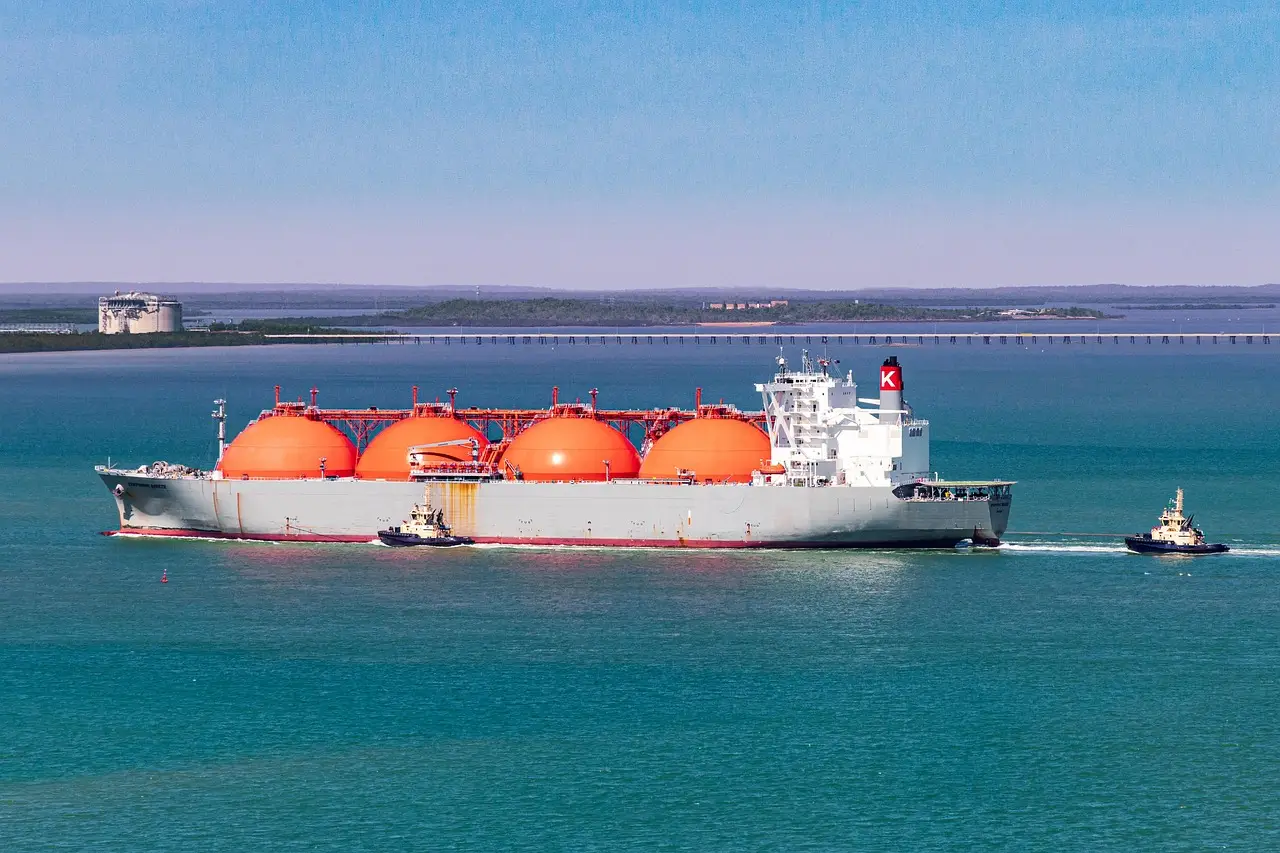
U.S. liquefied natural gas (LNG) exports averaged 17.4 billion cubic feet per day (Bcf/d) in the first half of 2026, 23% above the same period in 2025.
The figure came from U.S. Energy Information Administration (EIA) data cited in the analysis. Reuters energy columnist Gavin Maguire’s column put U.S. LNG shipments at roughly 5% of global trade in 2018 and more than 30% in recent months.
That is strong operating momentum. It also creates a tougher base for expansion. The United States already holds substantial positions in crude oil, LNG and refined petroleum markets. Total export volumes can keep rising without another leap in market share if worldwide energy consumption and trade continue expanding.
How much of global energy trade does the United States control?
Maguire’s figures define the scale of that shift:
- U.S. LNG shipments rose from approximately 5% of global trade in 2018 to more than 30% in recent months.
- U.S. crude exports expanded from roughly 3% to 5% of global shipments to approximately 10% to 15%.
- U.S. propane now accounts for about two-thirds of international trade.
Oil & Gas 360 framed the central test: “The question is no longer whether the United States can participate in global energy trade, but how much additional demand its producers can capture while maintaining attractive returns on invested capital.”
The shale revolution, increased domestic production and geopolitical developments redirected purchases toward American suppliers, with Europe’s reduced dependence on Russian energy and Middle East petroleum disruptions widening the opening.
Yet the source does not tie any market share to a named basin, shale play, refinery, port or export terminal. That leaves the physical assets and routes behind the statistics unspecified.
Takeaway: The United States has already captured exceptional market share, so repeating those gains will be harder.
Can new Gulf Coast terminals keep LNG exports rising?
Additional U.S. export capacity remains under development. EIA previously projected that LNG exports would increase through 2027 as new Gulf Coast facilities begin operating and existing terminals expand production.
The item names no individual facility, capacity figure, sanction status or start-up date. It therefore cannot separate projects backed by final investment decisions (FIDs) from earlier-stage speculation.
Actual shipments will depend on terminal operations, global demand and international natural gas prices, according to the analysis. Neither variable receives a company-level forecast.
Takeaway: New Gulf Coast capacity can lift exports, but unnamed projects and uncertain operating conditions leave the path through 2027 unproven.
Does higher volume guarantee better export economics?
The analysis says export economics will depend on transportation costs, commodity price differentials (the gap between U.S. and destination prices) and competition from suppliers closer to major consuming markets.
U.S. Gulf Coast infrastructure provides access to multiple international destinations. Longer shipping distances can reduce competitiveness when rival supplies become more readily available.
The investment implications span upstream production (oil and gas output), LNG infrastructure, natural gas processing, pipelines and petroleum shipping. The item says institutional investors and family offices should assess projects across that chain, rather than focus only on export volumes.
Projects with competitive operating costs, reliable transportation and long-term customer agreements may be better positioned. The source offers no project-level margin, freight-contract or capacity data to test that screen.
Takeaway: Higher export volumes help only if the margin after freight costs and price differences remains attractive.
Which rival supplies could slow U.S. market-share gains?
Competition is widening. Qatar, Canada and the United Arab Emirates are developing additional LNG export capacity. Producers in South America and Africa are seeking greater participation in international crude markets. Recovering Middle Eastern shipments could restore supply options for buyers that increased purchases from the United States during recent disruptions.
The United States retains significant advantages through its production scale, established infrastructure and diversified energy portfolio. Future export growth will increasingly depend on commercial competitiveness rather than the exceptional geopolitical circumstances that accelerated market expansion.
The item labels itself informational and opinion-based, not investment, legal or financial advice. It also says market conditions can change without notice.
Watch item: named Gulf Coast start-up dates, terminal operations, freight costs, destination price differentials and export margins. The source provides none of those asset-level figures, so shipment totals alone cannot show whether new supply earns an adequate return.
Takeaway: Watch start-up dates and export margins, not shipment totals alone.
via oilandgas360.com (Source)
More from Priya Raman
Show full bio
Senior reporter covering technology and product news in Oil and gas industry operations and markets at Rig & Refinery.
662 articles