Well report · filed November 24, 2026
Refining & PetrochemicalsWell report
Petrobras plans $23 billion to lift refining capacity to 2.173 million b/d
Petrobras will spend $23 billion through 2031 to lift refining capacity from 1.813 million to 2.173 million b/d via upgrades — no new refineries — with RNEST Train 2 and Boaventura starting up in 2029.
Field notes
- Petrobras plans $23 billion for refining, transport, marketing, petrochemicals and fertilizers through 2031, plus $1 billion for projects under evaluation.
- System refining capacity rises to 2.173 million b/d by 2031 from 1.813 million b/d, all via upgrades to existing refineries.
- RNEST Train 2 (130,000 b/d) and Boaventura expansions are both scheduled to start operations in 2029.
- A HEFA and renewable diesel unit at the 170,000-b/d RPBC refinery is slated for 2030, producing up to 15,000 b/d of bio-QAV and renewable diesel.
- S-10 diesel production capacity is targeted to grow 405,000 b/d by 2031, with 293,000 b/d added during 2027-31.
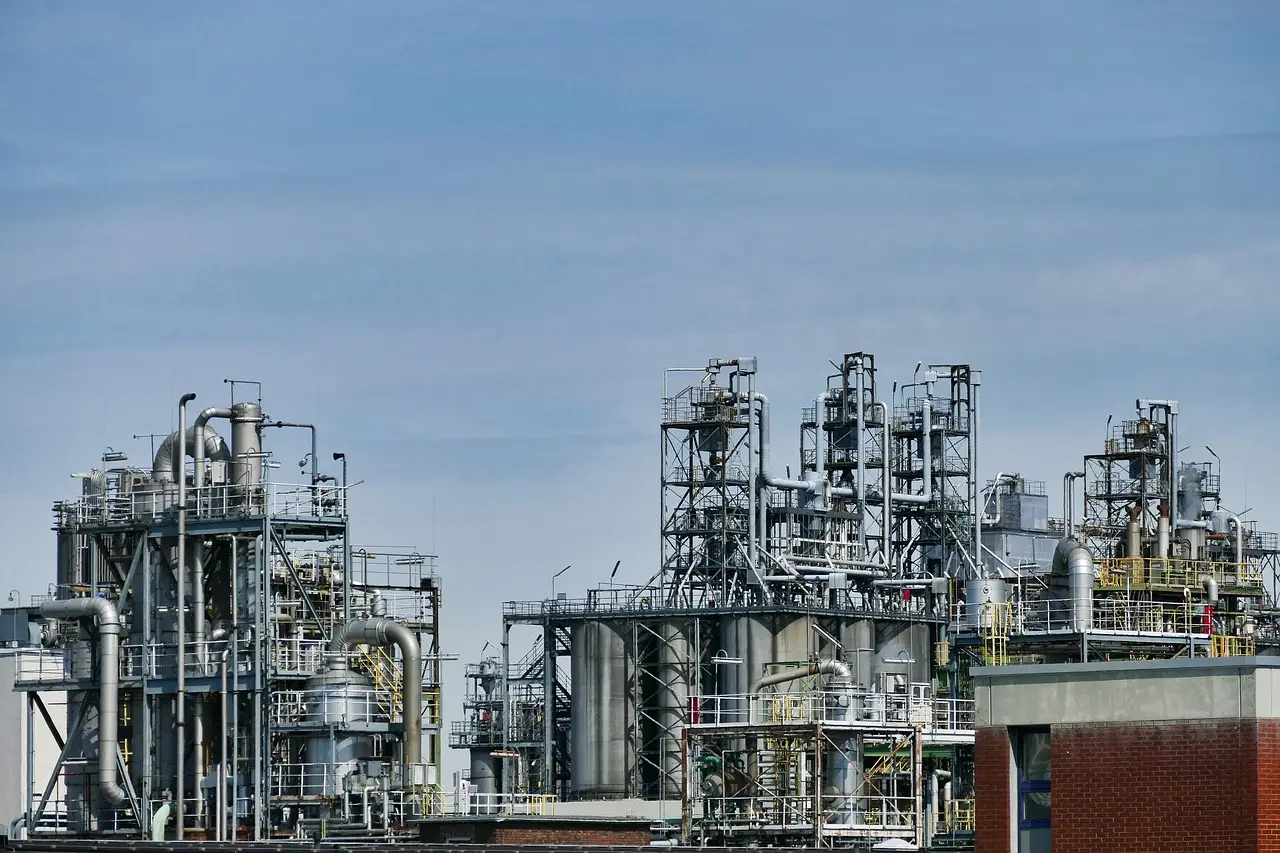
Petrobras has committed $23 billion to its refining, transportation, marketing, petrochemicals, and fertilizers segment through 2031, with another $1 billion earmarked for projects still under evaluation, the company said in separate releases Nov. 23.
The headline operational number in the 2027-31 business plan is a jump in system-wide conventional refining capacity to 2.173 million b/d by 2031, up from the current 1.813 million b/d — an extra 360,000 b/d. Notably, none of it comes from a new-build refinery. Petrobras said it will deliver the entire increase through upgrades at existing sites.
The bet is straightforward: produce more higher-value, lower-carbon products, shore up logistics, and widen revenue beyond crude oil. In plain words, Petrobras wants its downstream to work harder, not just get bigger.
What gets built, and where?
Two flagship projects anchor the plan, both scheduled to start operations in 2029:
- Expansion at the Boaventura energy complex (BEC) in Itaboraí, Rio de Janeiro, which will raise yields of S-10 diesel and jet fuel and add production of higher-value Group II base oils.
- Completion of a second 130,000-b/d Train 2 at the Refinaria Abreu e Lima (RNEST) in Ipojuca, Pernambuco, in Brazil's northeast. The long-planned upgrade doubles capacity at the currently single-train 130,000-b/d refinery and, according to the operator, lets the site keep a high-diesel conversion rate.
Takeaway: both sanctioned projects sit at existing refining nodes, not greenfield ground.
How does 405,000 b/d of extra diesel square with the math?
System-wide, Petrobras is targeting a 405,000 b/d increase in S-10 low-sulfur diesel production capacity by 2031. Of that, 293,000 b/d arrives within the 2027-31 window, through a mix of new units and conversions of existing processing capacity.
The company didn't identify firm locations for the proposed works. It did say the projects serve a broader goal: self-sufficiency in diesel supply. That aim, not any single unit, is the organizing principle of the diesel program.
Where do renewable fuels fit?
Petrobras will build a HEFA and renewable diesel unit at the 170,000-b/d Refinaria Presidente Bernardes (RPBC) in Cubatão, São Paulo, with operations scheduled to begin in 2030. The biorefining plant will process vegetable and animal-based feedstocks to produce up to 15,000 b/d combined of biojet fuel — bio-QAV — and renewable diesel.
The timing is no accident. The output is aimed at demand generated by ICAO's CORSIA scheme for international aviation, as well as Brazil's domestic Fuel of the Future regulation, which promotes renewable fuels and sets up a carbon capture and storage framework across the transportation sector. The takeaway: RPBC is Petrobras' bridge from fuels refiner to compliance-driven biorefiner.
What about petrochemicals and fertilizers?
On petrochemicals, the plan includes infrastructure to move ethane from the Route 3 integrated project's Itaboraí natural gas processing unit (UPGN) at the BEC to the Campos Elíseos terminal (Tecam) — allowing Route 3 gas supplies to reach market as petrochemical feedstock.
Petrobras also reaffirmed plans to finish the long-stalled Unidade de Fertilizantes Nitrogenados (UFN-III) nitrogen fertilizer plant in Três Lagoas, Mato Grosso do Sul. Construction started in 2011; the plant was mothballed in 2014. Once completed — production is now scheduled for 2029 — UFN-III will produce 3,600 tonnes/day of urea and 2,200 tonnes/day of ammonia.
A further $2 billion under the plan goes to other, yet-to-be-identified gas and power projects focused on maintaining gas-processing, regasification, and thermal-power assets. That line item is the loosest number in the plan.
The watch items are fixed dates: Boaventura and RNEST Train 2 startups in 2029, the RPBC biorefinery in 2030, and whether the diesel buildout actually closes the self-sufficiency gap by 2031.
via icao.int (Original)
More from Elena Vasquez
Show full bio
News editor covering technology and product news in Oil and gas industry operations and markets at Rig & Refinery.
629 articles
Adjoining reports
- Petrobras puts $122bn behind pre-salt barrels through 2031
- Petrobras Signs SBM Offshore for Two FPSOs Backing $12 Billion Sergipe Push
- BP Weighs Bumerangue Stake Sale to Petrobras as CO2 Questions Loom
- Chevron Phillips Chemical and Qatar Petroleum to Build New US Petrochemical Plant
- Shell puts $14 billion tag on petrochemical plant