Well report No. RR-8208 · T14N · R35W · SEC 2 · filed October 30, 2026
Gas & LNGWell report
US clears $8.2bn ST LNG deepwater port off Matagorda, Texas
ST LNG's $8.2bn deepwater port off Matagorda got its licence in 410 days — 70% faster than average — with construction from 2027 and 8.4 mtpa planned.
Field notes
- US DOT approved an $8.2bn licence for ST LNG's deepwater port 10.4 miles offshore Matagorda, Texas.
- Review took 410 days, 70% faster than the historical average — the shortest in over two decades.
- The port will host four liquefaction systems totalling 8.4 mtpa, 20 platforms and 7.7 miles of pipeline; construction starts 2027, operations 2029.
- Baker Hughes will supply compression and power kit for the initial 2.1-mtpa phase of a four-phase plan.
- Officials project 2,000 construction jobs, up to 855 permanent roles, and a 7-9% lift to US LNG export capacity.
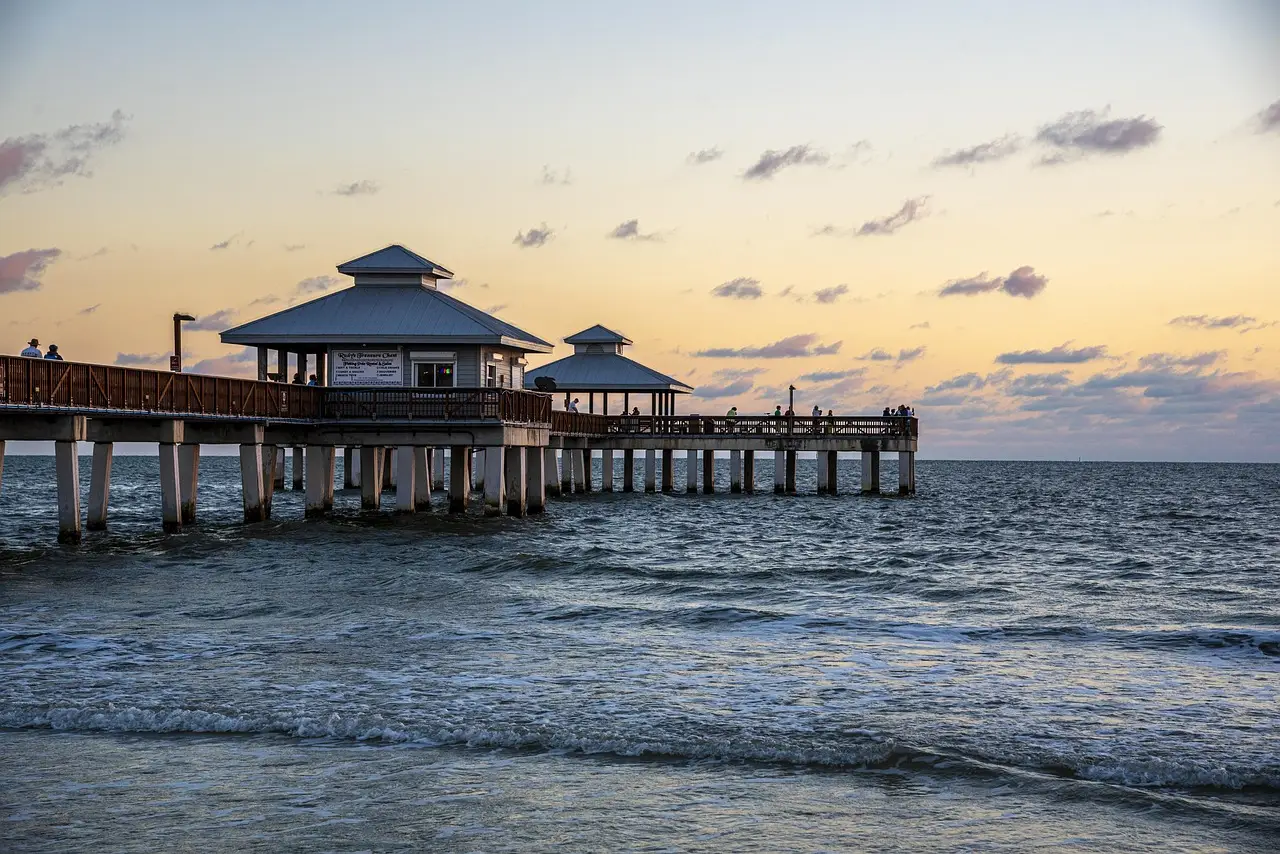
The US Department of Transportation has approved an $8.2bn licence application from ST LNG to build and operate a deepwater LNG port roughly 10.4 miles offshore Matagorda, Texas — a review that took just 410 days, nearly 3.7 years faster than the historical average and a 70% cut in review time, according to department officials.
Transportation Secretary Sean Duffy announced the decision, which officials describe as the shortest deepwater port review in more than two decades. The Maritime Administration (MARAD) ran the licensing process after being directed to take full control and streamline procedures. The review covered both the application and the Final Environmental Impact Statement, and involved the US Coast Guard, relevant federal agencies and the State of Texas to satisfy safety and security standards.
What gets built, and when?
Construction is expected to start in 2027, with operations projected to begin in 2029. The offshore complex is sizeable in any basin's terms:
- Four LNG liquefaction systems delivering a combined 8.4 million tonnes per annum (mtpa) at full scale
- 20 platforms
- Four floating storage units
- Four mooring systems
- 7.7 miles of pipeline
Feed gas will arrive through the existing Transco pipeline, supplied by the Tres Palacios Natural Gas Storage and Trading Hub and the Williams Markham Gas Processing Plant. In short, the terminal plugs straight into Texas Gulf Coast gas infrastructure that already exists.
How big is the impact?
Officials anticipate the project will support 2,000 construction jobs and up to 855 permanent positions. They also project the port will expand US LNG export capacity by 7-9%, while moving vessel traffic away from busy onshore terminals — easing collision risk and related safety concerns.
Secretary Duffy framed the decision in expansive terms. "By slashing red tape and modernising our licensing processes, the Trump Administration is delivering a massive economic boom for the people of Texas," he said. "This project will unleash American energy – ensuring demand for Texas' bountiful natural gas and the men and women who extract it continues to grow."
He added that building "this state-of-the-art port will also generate thousands of jobs in the Gulf and cement our nation's status as the number one energy exporter in the world."
Those jobs and capacity figures are agency projections; the capacity gain in particular will hinge on how the four build-out phases actually pace against the broader wave of US liquefaction additions.
Where does Baker Hughes fit?
ST LNG already has its equipment path mapped for the first phase. In March 2026 the company engaged Baker Hughes to supply key gas compression and power generation technology for the terminal: two LM6000PF aeroderivative gas turbine-driven centrifugal compressor trains and three NovaLT 16 gas turbine generator packages.
That kit supports the initial 2.1-mtpa phase of a four-phase plan. Baker Hughes expects to record orders as the project advances toward a final investment decision — the clearest signal that, licence in hand, FID remains the true sanctioning milestone, not the federal approval itself.
Is the regulatory tide shifting more broadly?
The ST LNG approval doesn't stand alone. Earlier this month the Federal Energy Regulatory Commission (FERC) launched its initial blanket authorisation initiative for LNG facilities, following unanimous support for a Notice of Proposed Rulemaking (NOPR). The proposal would let certain approved activities at LNG sites proceed without separate authorisation orders from FERC under Sections 3 and 7 of the Natural Gas Act.
Taken together, the two moves point one direction: Washington wants LNG projects moving faster on paper. For ST LNG, the licence clears the federal runway; the watch item now is the final investment decision, which Baker Hughes' order book will record the moment it lands.
via Offshore Technology (Source)
More from Elena Vasquez
Show full bio
News editor covering technology and product news in Oil and gas industry operations and markets at Rig & Refinery.
555 articles
Adjoining reports
- Court Upholds Delfin LNG Deepwater Port License Offshore Louisiana
- Floating LNG crosses into U.S. waters with $5 billion Delfin project
- Trump greenlights offshore Louisiana LNG export hub; project risks flagged
- Delfin Midstream clears FID on first US floating LNG export project
- FERC Proposes Blanket LNG Authorizations, Cuts Air Modeling Reviews