Well report No. RR-1723 · T3N · R40W · SEC 15 · filed November 16, 2026
Petroleum MarketsWell report
WTI Holds $54.98 Bull Line as Hormuz Risk Builds
An Elliott Wave reading of WTI sets $105.17 as bull confirmation and $54.98 as invalidation, with Hormuz escalation a potential catalyst for a move toward $134.81 and higher.
Field notes
- Bullish confirmation for WTI sits at $105.17; projected targets are $134.81, $156.39 and $184.21.
- A decisive break below $54.98 would invalidate the bullish Elliott Wave count.
- Roughly one-fifth of global oil supply transits the Strait of Hormuz.
- Reports on November 16 cited a third U.S. carrier group arrival and another tanker attack in the Strait.
- The 2020 low to 2022 high advance shows a five-wave structure, per the analysis.
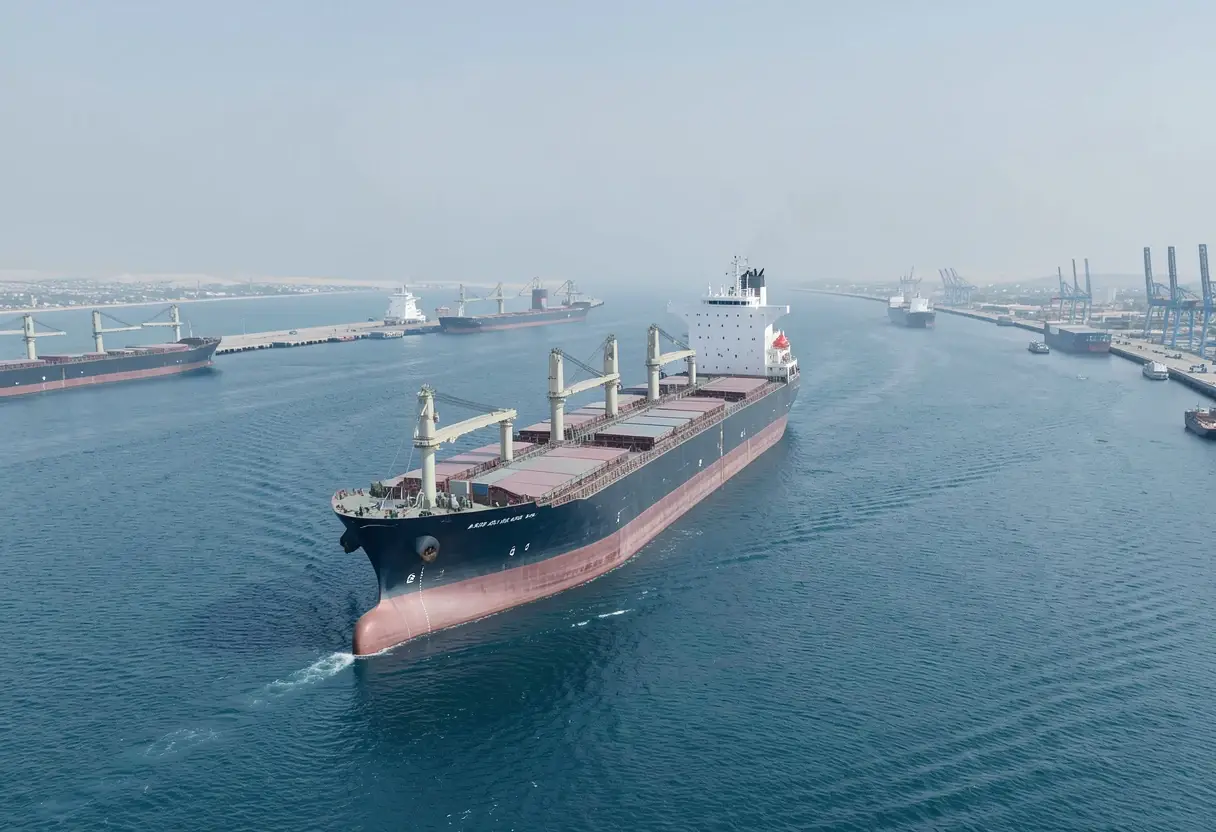
Two numbers frame the current WTI crude oil technical picture: $105.17 as bull confirmation and $54.98 as the level that would break the bullish count. That is the reading offered by TradingView analyst Mehdi_Abbasi_EWP, whose weekly WTI chart analysis, published under the title "The Hormuz Shock: A New Wave of Energy Turmoil?", pairs Elliott Wave structure with rising risk in the Strait of Hormuz.
What does the wave structure show?
The analysis opens with a structural question: whether the corrective phase that followed the 2022 price peak is nearing completion, or whether the market still needs a deeper, more complex correction before a major advance can begin.
The author's interpretation favors the bullish scenario. The advance from the 2020 low to the 2022 high shows a five-wave structure, while the decline since then is being treated as a larger corrective formation.
Within that bullish outlook, two possibilities remain live:
- The correction is already complete.
- The market develops one more corrective phase before the next major advance.
A sustained break above $105.17 would strengthen the case for a new impulsive advance. The projected objectives on that path are $134.81, $156.39 and $184.21.
The alternative reading allows a deeper, more extended correction. A decisive break below $54.98 would invalidate the bullish count at this degree and give greater weight to the broader corrective scenario.
In plain words: until WTI clears $105.17, both the rally case and the extended-correction case stay on the table.
How serious is the Hormuz risk?
The fundamental backdrop adds weight to the technical question. Roughly one-fifth of the world's oil supply passes through the Strait of Hormuz, the chokepoint at the center of the analyst's concern.
Recent reports cited in the analysis point to:
- Continued attacks on commercial vessels.
- Restrictions on maritime traffic.
- A substantial military buildup in the region.
Reports on November 16 indicated the arrival of a third U.S. aircraft carrier group, alongside another reported attack on a tanker in the Strait.
A wider confrontation could threaten maritime security, disrupt crude exports and drive up insurance and transportation costs. If supply disruptions persist, the analyst argues, the market may begin pricing in not only immediate supply losses but a significantly higher geopolitical risk premium.
The counterweight: major consuming nations hold tools to blunt a price shock. The analysis lists strategic petroleum reserve releases, coordinated supply measures, demand management and alternative transportation routes as levers that could contain rising crude and product prices. Even so, the author cautions these measures may not fully offset a prolonged disruption to physical supply.
Can geopolitics set the trend?
The analyst's central argument is that it cannot — not alone. Military escalation can act as a catalyst for an impulsive advance, and government intervention or reserve releases can shape the magnitude and duration of a move. But neither force independently determines the market's ultimate direction.
"We should not confuse a geopolitical narrative with a confirmed market structure," the analysis states. "News helps explain the forces acting on the market; the Elliott Wave Principle helps us understand how those forces are being expressed through price behavior."
The interpretation remains tilted bullish, with $105.17 as the key confirmation level and the higher targets defining the potential path. Until that confirmation prints, the corrective alternative stays relevant, and $54.98 is the line that would end the bull count.
For practitioners, the takeaway is simple: watch $105.17 on the upside and $54.98 on the downside, and treat the Hormuz headlines as catalysts to be confirmed by price — not as a trend in themselves.
via tradingview.com (Source)
More from James Calloway
Show full bio
Staff writer covering people, launches and day-to-day practice in Oil and gas industry operations and markets at Rig & Refinery.
628 articles
Adjoining reports
- WTI Holds Ascending Channel; Analyst Eyes 91.70-92.30 Resistance Zone
- Elliott Wave Count Targets WTI at $82.80 as Fifth Wave Unfolds
- Brent at $99.76 or $94.03: Wave Count Splits at Critical Levels
- OPEC+ clears fourth quota hike since Hormuz closure episode
- WTI bearish setup puts 93.03 resistance and three targets in focus