Well report · filed November 22, 2026
Petroleum MarketsWell report
WTI Holds Below $83 as Hormuz Risk Fails to Break Bearish Drift
USOIL at $82.58 on 20 November sits below weekly VWAP of $85.77 as Riyadh attacks and Hormuz tanker risks lift intraday prices without reversing a bearish three-week structure.
Field notes
- USOIL quoted at $82.58/bbl on 20 Nov 2026, below weekly VWAP of $85.77 and TrendSL of $90.93.
- CFTC Managed Money net long 25,714 contracts as of 10 Nov, up 3,986 week-on-week, at the 19.23rd percentile of 52 weeks.
- India's October crude imports rose about 4.7% month-on-month to 23.31 million tonnes, per Reuters citing government data.
- CNN Fear & Greed at 17/100 and VIX at 28.94 on 20 November.
- US system liquidity proxy at $5,848.811 billion on 18 Nov, up $40.597 billion over four weeks (FRED).
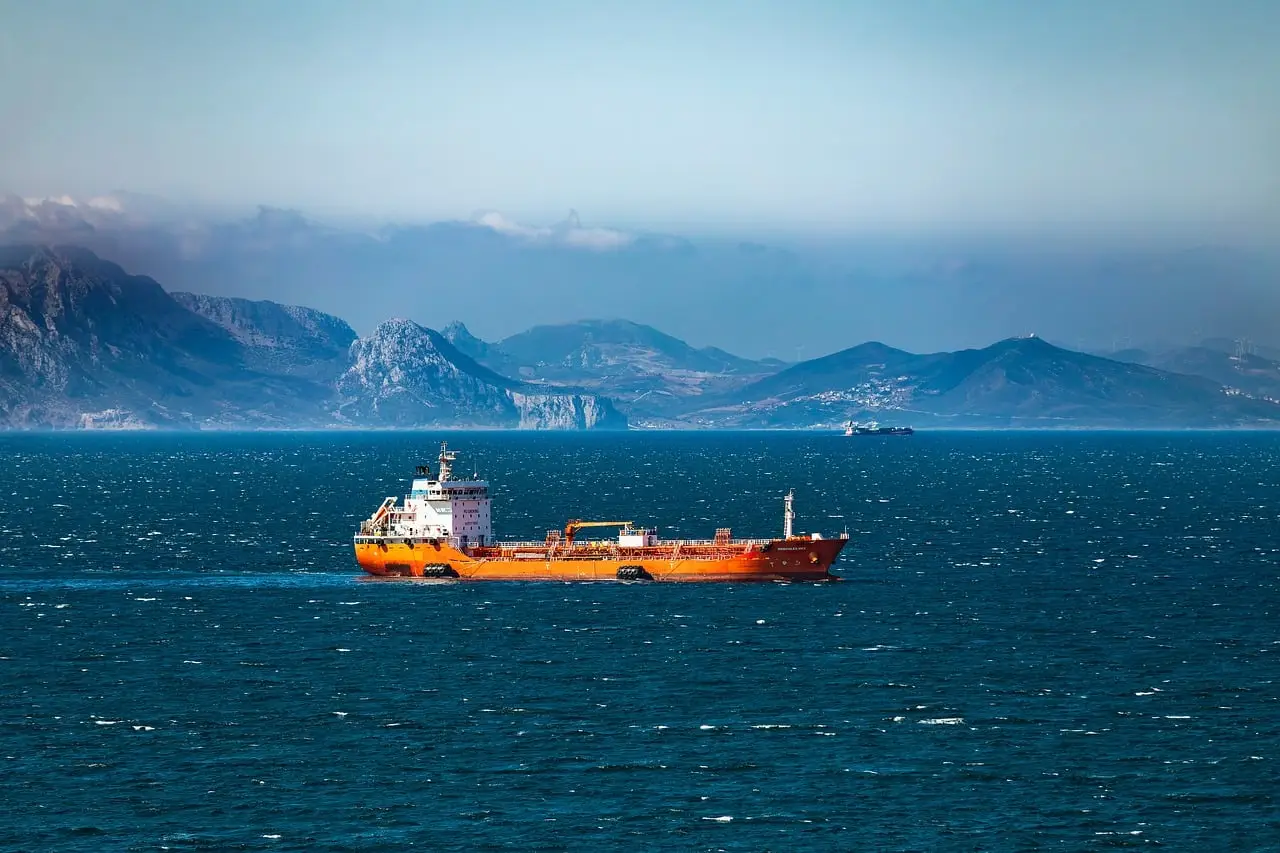
USOIL traded at $82.58 per barrel on 20 November, below its weekly VWAP of $85.77 and its weekly TrendSL of $90.93, as tanker disruptions around Hormuz lifted intraday prices without confirming a reversal of the three-week downtrend. That is the tension in one number. Shipping threats can move oil within a session; the broader structure still points lower.
The quote carries a caveat. It is a timestamped broker CFD observation from MT5 at 11:33 UTC on 20 November 2026, not a WTI futures settlement. Analysts should keep the two benchmarks separate when reading headlines.
What did the shipping incidents actually do?
Reuters reported on 20 November that oil rose intraday after attacks on Riyadh and reports of tanker disruptions around Hormuz, even as benchmarks stayed on track for a third consecutive weekly decline. A day earlier, Reuters described shipping concerns offsetting pressure from rising US crude inventories and forecasts of a global surplus.
Two different kinds of evidence sit side by side here. A disruption risk is an expectation; a surplus forecast is a balance-sheet call. Freight and insurance costs can rise on threats alone, before any lost barrels are measured. Recovering exports can offset some disruption yet leave the route exposed to further incidents. Equating an attack with a specific lost-barrel total would be too strong.
Inventory builds also demand a balance-sheet reading rather than a reflex. Crude stocks can rise because of production, imports, exports or refinery activity; a build alone does not isolate weaker final consumption. No independently verified EIA series accompanies the reporting, so the Reuters account of inventory pressure remains attributed news, not the underlying data.
How do currency and fear indicators cut?
A firmer dollar raises the local-currency cost of dollar-priced oil for non-dollar buyers, though the demand response depends on hedging and broader conditions. The framework notes that a US real yield alone neither quantifies relative returns against other economies nor proves capital rotation into USD, and a bearish label on DXY does not establish the dollar is actually falling.
Two sentiment readings frame the week:
- CNN Fear & Greed at 17/100 on 20 November — extreme fear in US equities.
- VIX at 28.94 on 20 November — elevated expected 30-day S&P 500 volatility.
Defensive conditions can pressure USOIL if investors favour the dollar, while lower US yields can offset that channel. Equity fear is context for a cyclical commodity. It does not measure oil demand or crude futures transactions. No retail oil positioning sample was supplied, so no broker long-short ratio was inferred.
What does the positioning data show?
The CFTC's disaggregated report, code 067651, Managed Money futures only, dated 10 November, shows 148,092 long contracts against 122,378 short — a net long of 25,714. Net positioning rose 3,986 contracts versus the 3 November report, moving toward more long exposure. Within 52 weeks, the signed net position sits at the 19.23rd percentile.
A low percentile does not turn a positive net position into a net short one. Concentrated exposure can increase sensitivity to reversals, and the lagged report cannot describe positioning during the latest shipping headlines. The saved crowding classification is medium, and it should stay medium.
Do funding conditions argue the other way?
US system liquidity, measured as Fed assets minus the Treasury General Account and reverse repo, totaled $5,848.811 billion on 18 November per FRED, up $40.597 billion over four weeks. A larger liquidity proxy can ease marginal funding pressure. SOFR minus IORB stood at +0.0 basis points on 18 November, putting secured borrowing at or below reserve remuneration — no positive-spread funding-pressure signal. FRED put the TGA at $892.310 billion, down 5.59 percent over four weeks; a Treasury cash drawdown can return reserves to the banking system.
Liquidity alone does not determine oil's direction. Transmission still has to run through yields, risk appetite and price.
Is demand actually collapsing?
Not on the Indian evidence. Reuters, citing government data on 19 November, reported India's October crude imports up roughly 4.7 percent month-on-month at 23.31 million metric tons. That is a dated import-volume observation, not a measure of final consumption — refinery activity, inventories and cargo timing can change the reading. It supplies a counterweight to a simple demand-collapse narrative without proving global demand has accelerated.
What would change the bearish call?
Two thresholds, and they are not the same thing. If price sustains above the weekly VWAP of $85.77, existing short exposure should be reduced as momentum turns against the thesis — no weekly close required. A weekly close above TrendSL at $90.93 would invalidate the bearish structure outright, forcing an exit and reassessment. Both remain pending at the snapshot.
The watch items are the next inventory releases, shipping developments around Hormuz, and whether any headline bounce persists into a durable repricing rather than fading by the close.
via tradingview.com (Source)
More from Daniel Okafor
Show full bio
Market editor covering companies, deals and strategy in Oil and gas industry operations and markets at Rig & Refinery.
624 articles
Adjoining reports
- WTI Widens to $12 Discount to Brent as Freight and Diesel Ban Talk Bite
- Hormuz Tanker Threats Put Fresh Crisis Risk On Global Oil Market
- Brent Holds Above $100 as Hormuz Tanker Traffic Sinks to Two-Month Low
- Brent Slides Toward Third Weekly Loss as Hormuz Flows Normalize
- Oil Rises as Middle East Attacks Cloud Regional Flow Outlook