Well report · filed November 22, 2026
Petroleum MarketsWell report
Two tanker strikes reported near Oman in Strait of Hormuz
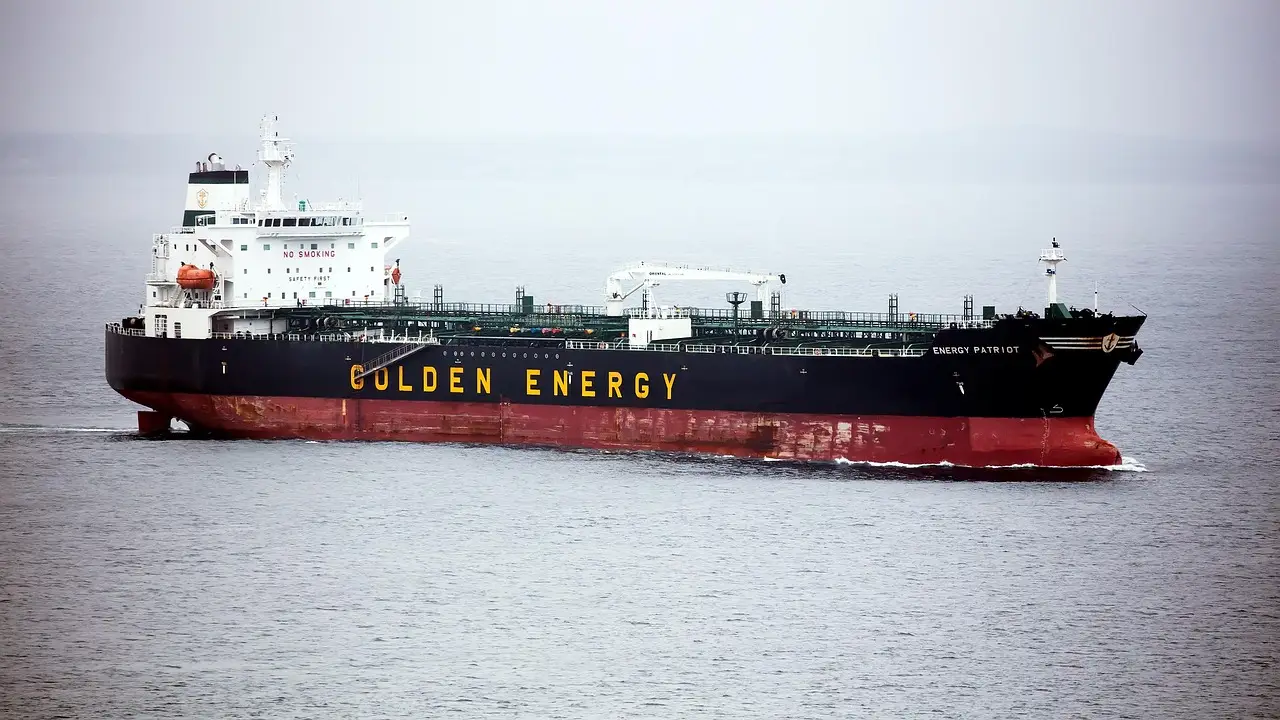
Two tanker strikes were reported near Oman, one 20 km north of Khasab and another 31 km east, with no reported casualties as Iran tightened transit controls in the waterway.
Field notes
- Two tanker projectile incidents were reported near Khasab, Oman; no casualties were reported.
- One tanker was hit 20 km north of Khasab; a tanker was hit 31 km east.
- Iran's navy said an oil tanker caught fire after striking a naval mine in a restricted area east of the strait; the account was not independently verified.
- About 25 tanker incidents were reported since the previous Saturday, averaging roughly three a day, according to Resul Serdar.
- The strait carried nearly one-fifth of global crude oil supplies before the conflict.
By James Calloway
Two tanker incidents occurred 20 km north and 31 km east of Khasab, Oman. The projectile attacks and an unverified mine claim have put commercial shipping in the Strait of Hormuz at risk, with no casualties reported in the two UKMTO incidents.
The United Kingdom Maritime Trade Operations (UKMTO) centre, a British agency that monitors threats to commercial shipping, reported the incidents on Saturday near Oman.
- One tanker took an unidentified projectile strike at its rear about 20 km (13 miles) north of Khasab, a port town on Oman’s northern coast.
- A tanker took an unidentified projectile strike in its engine room about 31 km (20 miles) east of Khasab.
UKMTO did not establish whether the reports involved separate vessels.
The incidents occurred amid the war involving Tehran, Washington and Tel Aviv that began with the United States and Israel attacking Iran in late February. Tehran has since sought to tighten control over the strait, which carried nearly one-fifth of the world’s crude oil supplies before the conflict.
What has Iran said about the tanker fire?
Iran’s navy said on Saturday that an oil tanker had caught fire after striking a naval mine in a restricted area east of the strait. In a statement carried by Iranian state television, the navy accused the vessel of ignoring warnings and traveling with its identification and navigation equipment switched off.
The account remains unverified, and no link has been established between the fire and either reported strike.
Is tanker targeting becoming a pattern?
Al Jazeera correspondent in Tehran Resul Serdar said tanker incidents had increased sharply over the past week. Citing statements from Iran’s armed forces, he reported about 25 incidents since the previous Saturday, averaging roughly three a day, and described the trend as quite dramatic.
“This is becoming a pattern,” Serdar said. He said Iranian authorities were asserting that every ship passing through the strait had to coordinate fully with them and follow the roads and lanes that Iran determines.
If ships did not comply, Serdar said, “they are either going to be attacked, or they are going to hit the sea mines that are laid by the [Islamic Revolutionary Guard Corps] IRGC or the Iranian forces.”
Tehran describes a widening pattern, but the incident count comes through a correspondent citing armed forces statements.
What has changed for tanker operators?
The US has responded to Iran’s restrictions by blockading Iranian ports and deploying naval vessels to escort tankers through the waterway. Serdar said Tehran was deliberately escalating tensions to send a message: if Iran could not export oil, other countries would not be able to do so either.
He also said Iran sought to show that it remained in control of the strait, a narrow passage connecting the Gulf with international shipping routes.
For tanker operators, the practical change is a routing environment shaped by Iranian coordination demands, projectile attacks, an unverified mine claim and US naval escorts. That shifts route planning toward tracking changing instructions while vessels transit a passage exposed to further incidents.
The confrontation has raised concerns over the security of a major route for global energy supplies, with commercial vessels caught between Washington and Tehran over access. Operators now face simultaneous demands from Iran and the US at a waterway that carries a large share of global crude.
What should operators watch next?
The immediate watch item is whether the two incidents involved separate vessels and whether independent evidence confirms the mine account. Operators should also track any changes to Iran’s coordination rules, the US escort deployment or the rate of tanker incidents.
Watch point: Independent identification of the vessels and verification of the mine claim will show whether the reported strikes are isolated or form a wider pattern of disruption.
via aljazeera.com (Source)
More from James Calloway
Show full bio
Staff writer covering people, launches and day-to-day practice in Oil and gas industry operations and markets at Rig & Refinery.
648 articles
Adjoining reports
- Tankers ablaze in Hormuz as drone alert halts Iraq's Khor Mor gas field
- Iran keeps Strait of Hormuz shut pending seven US conditions
- Six Tankers Struck by Mines in Hormuz; Brent Holds Mid-90s as Q4 Surplus Caps Rally
- Five Tankers Ablaze After Mine Strikes in Strait of Hormuz
- 1.7 Billion Barrels Shipped as US Blockade Halts Iran Crude Loadings