Well report No. RR-9072 · T20N · R18W · SEC 32 · filed November 17, 2026
Petroleum MarketsWell report
WTI Dec 2026 Settles at $86.50 as Backwardation Flattens
WTI's Dec 2026 contract settled at $86.50/bbl as OPEC supply rebound and expected Q4 stock builds flatten backwardation, while diesel cracks above $100/bbl keep refining margins historically wide.
Field notes
- NYMEX WTI Dec 2026 settled at $86.50/bbl on 10 November 2026, down 0.40%
- ICE Brent Jan 2027 closed at $91.98/bbl, down 0.64%
- US diesel crack above $100/bbl in early November vs $20–30 pre-crisis norms
- Global stocks swing from 1.2 million b/d Q3 draw to expected Q4 builds
- Next US Weekly Petroleum Status Report due 12 November 2026
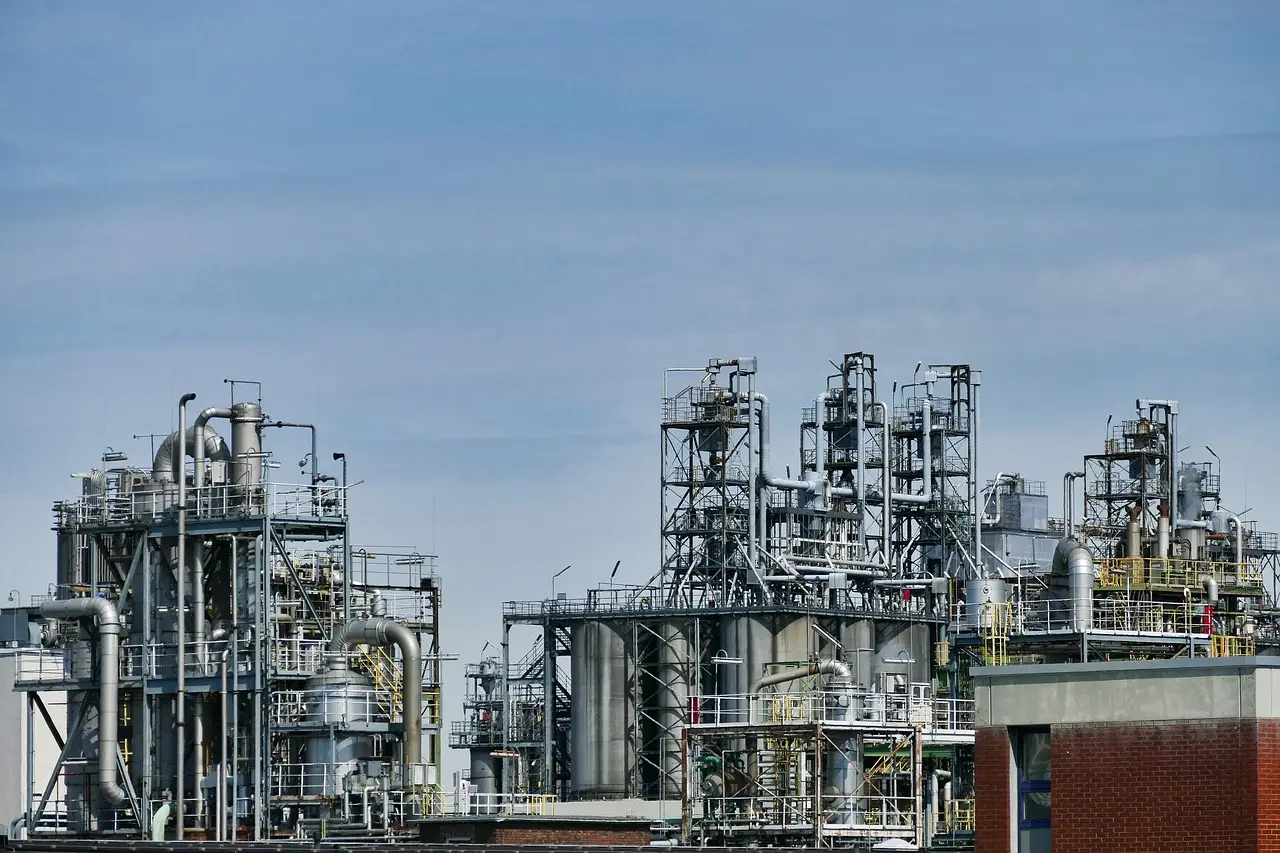
NYMEX WTI's December 2026 contract settled at $86.50/bbl on 10 November 2026, down $0.35 or 0.40% on the day, with the strip trading as wide as $83.88 to $86.93 intraday. The softening was not isolated. ICE Brent's January 2027 contract closed at $91.98/bbl, off $0.59 or 0.64%. Both curves are still backwardated — prompt barrels priced above deferred delivery — but the slope is flattening, and that structure tells the story better than the flat price does.
What is the curve saying?
The WTI strip steps down steadily into 2027: January at $85.21/bbl, February at $83.77/bbl. Further out, the curve eases into the low-60s, with December 2031 at $61.77/bbl and February 2032 near $61.35/bbl.
Here is the detail worth noting. The back of the curve posted marginal day-on-day upticks of roughly 0.25–0.5%. So the selling pressure sits almost entirely in the near-dated contracts, where perceived scarcity is easing. Brent shows the same shape, stepping down to the low-60s by 2037. The long end's small gains suggest traders see marginal supply cost anchoring a floor in the high-50s to low-60s, even if geopolitical risk premiums fade. Takeaway: the market is pricing adequate crude from 2027 onward, not a glut.
Why is prompt crude easing?
A fresh short-term outlook from a major energy agency frames the shift. Global crude and liquids stocks swung from an average draw of about 1.2 million b/d in Q3 to expected builds in Q4 as supply recovers. Brent's October spot average had climbed to its highest real level since July 2022 before the current pullback, which makes the reversal more meaningful than a routine correction.
The driver is OPEC production rebounding, plus incremental barrels from key non-OPEC producers. The agency projects modest demand growth alongside the transition from draws to slight builds. The latest US Weekly Petroleum Status Report shows the same mixed picture: commercial crude stocks no longer drawing as steeply as in summer, while distillate inventories sit below multi-year averages.
A caveat follows every promise, and this one is no exception. Expected builds are a forecast, not an observed fact — the EIA data through early November has not yet confirmed them.
Can diesel cracks carry the complex?
Product markets remain the outlier. The US diesel crack against crude printed above $100/bbl in early November, per recent indicators — far above pre-crisis norms of $20–30/bbl. ICE Low-Sulfur Gas Oil futures for December 2026 settled at $1,234/t, down $37.25 or 3.02% on the day, yet still historically elevated relative to crude.
That combination — softer feedstock, strong middle-distillate pricing — supports refinery runs and caps downside for crude. It is also the market's clearest upside risk. Colder-than-normal winter weather in major consuming regions, or renewed logistics disruptions, could re-tighten balances quickly. Takeaway: refineries are the winners here, not crude bulls.
What happens next?
The watch item is the 12 November 2026 Weekly Petroleum Status Report. Continued evidence of inventory builds, especially at Cushing and in OECD hubs, would reinforce the bearish tone for front-month contracts. Rallies toward October highs may meet strong selling interest.
The source's directional read, attributed as analysis rather than fact:
- Front-end WTI/Brent: moderately lower bias while stocks rebuild
- Curve structure: flattening backwardation favors selective roll-yield plays over aggressive long-only exposure
- Products: cracks may narrow modestly but should stay historically elevated
- Risks: Middle East escalation, weather-driven demand shocks, or unplanned refinery outages could re-steepen backwardation
The three-day futures view from the source calls WTI slightly bearish, consolidating below the upper-80s barring surprise draws; Brent carries mild downside risk toward the high-80s to low-90s. ICE Gas Oil stays volatile but firm versus crude. All of it rests on one unverified assumption: that the builds actually show up on Wednesday.
via commodity-board.com (Source)
More from Priya Raman
Show full bio
Senior reporter covering technology and product news in Oil and gas industry operations and markets at Rig & Refinery.
633 articles
Adjoining reports
- Brent at $113.88 as Hormuz Risk Premium Steepens Backwardation
- Brent at $92.63: Steep Backwardation Signals Tight Barrels Now, Looser Later
- Brent Slides 6.7% to $92.12 as Iran War Premium Deflates
- OPEC+ Discipline Meets War Risk in a Falling Crude Curve
- Diesel at Triple Early-2026 Norms Steepens Oil Backwardation