Well report No. RR-9351 · T3N · R34W · SEC 3 · filed November 10, 2026
Upstream Drilling & ProductionWell report
YPF Shale Output Up 32% — But Analyst Sees Price Catch
YPF's Q3 2026 shale oil output rose 32% year-over-year on Vaca Muerta growth, but an analyst's DCF says shares are overvalued — the rating is hold.
Field notes
- YPF shale oil production rose 32% year-over-year in Q3 2026.
- YPF holds a 30% stake in the VMOS oil pipeline, flagged as a key earnings catalyst.
- The company is divesting part of its older deposits.
- An analyst DCF model suggests the stock is overvalued; rating is hold.
- Government ownership and high capital intensity limit shareholder returns.
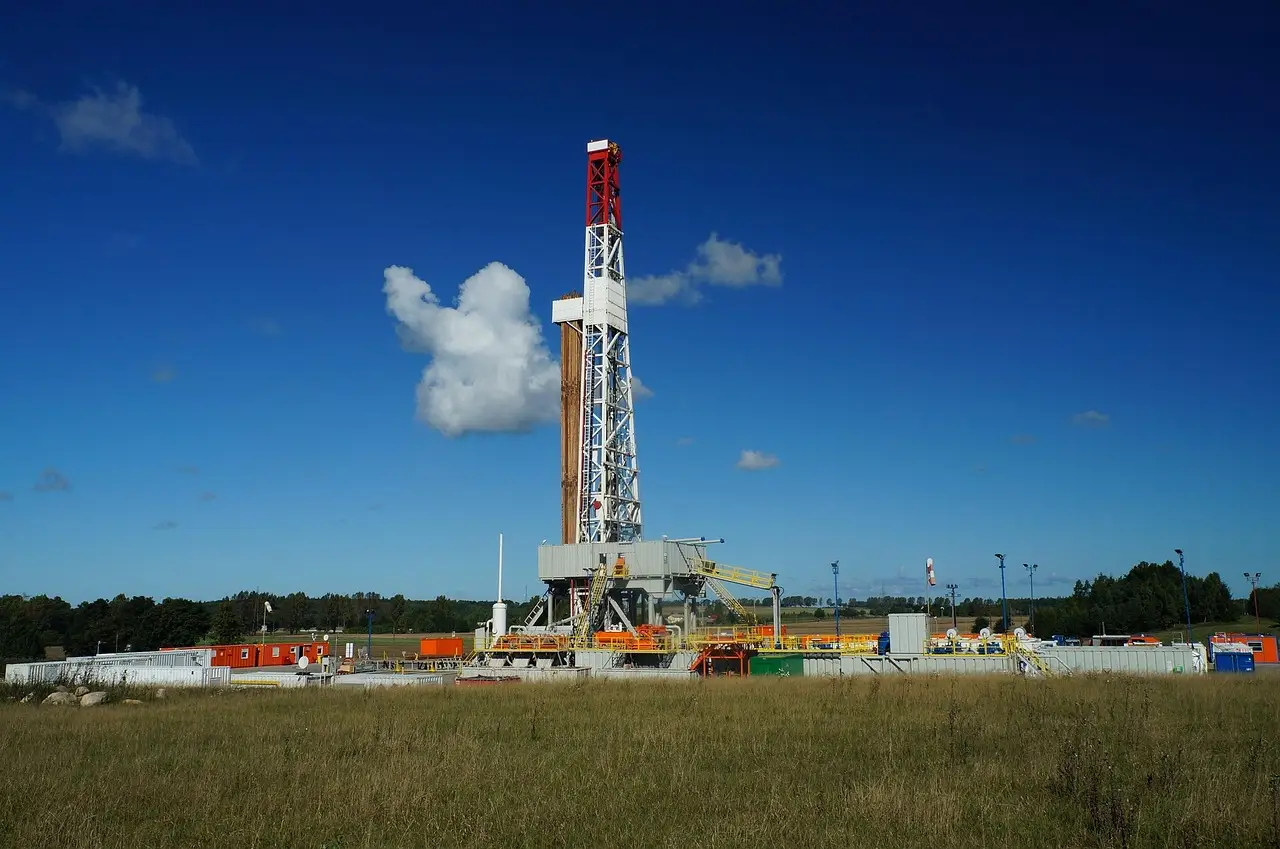
YPF Sociedad Anónima posted a 32% year-over-year rise in shale oil production in the third quarter of 2026, the strongest operational number in the Argentine producer's current story — and the figure that keeps the Vaca Muerta play on investors' screens despite a wary market verdict.
A Seeking Alpha analyst who reviewed the company has rated the stock a hold, arguing that the operational acceleration does not yet translate into an attractive entry price. The writer's discounted cash flow model, described in the analysis, suggests the shares trade above intrinsic value even after the production gains.
What is driving the growth?
The 32% year-over-year increase in shale oil output sits at the center of the case. Vaca Muerta, the Neuquén Basin shale formation that anchors Argentina's upstream ambitions, is the source of the growth. YPF has also moved to divest part of its older, conventional deposits, sharpening the portfolio around the shale asset base.
For practitioners, the portfolio shift means capital and management attention concentrate increasingly on the Neuquén shale treadmill — where well costs, drilling cadence and takeaway capacity, not legacy field management, set the earnings curve.
Where does the VMOS pipeline fit?
The analyst identifies the VMOS oil pipeline as a key future earnings catalyst for YPF. The line matters because Vaca Muerta's crude needs evacuation capacity to reach export and domestic refining markets at scale.
There is a structural catch, and the analyst flags it directly: YPF holds only a 30% stake in the project. The company will capture a fraction of the upside, with the balance accruing to the other partners in the venture.
In plain words: the pipeline can lift the whole basin, but YPF's direct share of that lift is capped at less than a third.
Why hold rather than buy?
Two constraints shape the analyst's reluctance despite the production growth.
- High capital intensity. Shale development demands sustained spending, which absorbs cash flow that might otherwise reach shareholders.
- Government control. The Argentine state's dominant ownership position limits shareholder returns and injects political risk into capital allocation decisions.
The analyst notes that cash flow has improved and the balance sheet has strengthened — real operational progress — but concludes these gains do not overcome the valuation gap and governance risk. As the analyst summarizes the position: the shale growth looks good, but the price keeps the stock a hold.
The writer disclosed no stock, option or similar derivative position in YPF and no plans to initiate any within 72 hours, and received no compensation beyond Seeking Alpha's standard payment for the article.
The watch item
The number to track is the next quarterly Vaca Muerta print — whether the 32% growth rate holds as the divested legacy assets leave the production base, and what share of VMOS-linked volumes YPF's 30% stake eventually carries to market.
via seekingalpha.com (Source)
More from James Calloway
Show full bio
Staff writer covering people, launches and day-to-day practice in Oil and gas industry operations and markets at Rig & Refinery.
587 articles
Adjoining reports
- Enverus: US Shale Is 'Aging, Not Broken' as Growth Slows to 2040s
- Halliburton beats estimates as Europe, Latin America lift services demand
- Colombia's Oil and Gas Output Falls in August
- SLB Beats Quarterly Profit Estimates, Top US Oilfield Services Firm Says
- YPF Adds Second Archer Rig in Vaca Muerta Under $110 Million Deal