Well report No. RR-2032 · T6N · R29W · SEC 6 · filed October 30, 2026
Petroleum MarketsWell report
40,000 Tons of Russian Diesel Heads to New York With a Five-Year Legal Fuse
Nearly 40,000 tons of Russian diesel sails for New York under OFAC License 135, but a 2022 statutory import ban and five-year customs penalty window leave every buyer, bank and terminal exposed.
Field notes
- Nearly 40,000 metric tons of Russian ULSD left Primorsk Oct. 22; first of three tankers totaling ~140,000 tons due at U.S. ports Nov. 7-11.
- OFAC General License 135 authorizes Russian diesel imports through April 7, 2027, but Congress's 2022 statutory import ban remains in force.
- Customs penalties can be pursued for five years after arrival and can reach the cargo's full value plus forfeiture of the vessel.
- The full 4.8 million tons promised equals roughly 10 days of U.S. diesel demand; Goldman Sachs sees only $1-2/bbl price relief.
- Russian diesel output has fallen about 30 percent per the IEA after Ukrainian strikes on refineries.
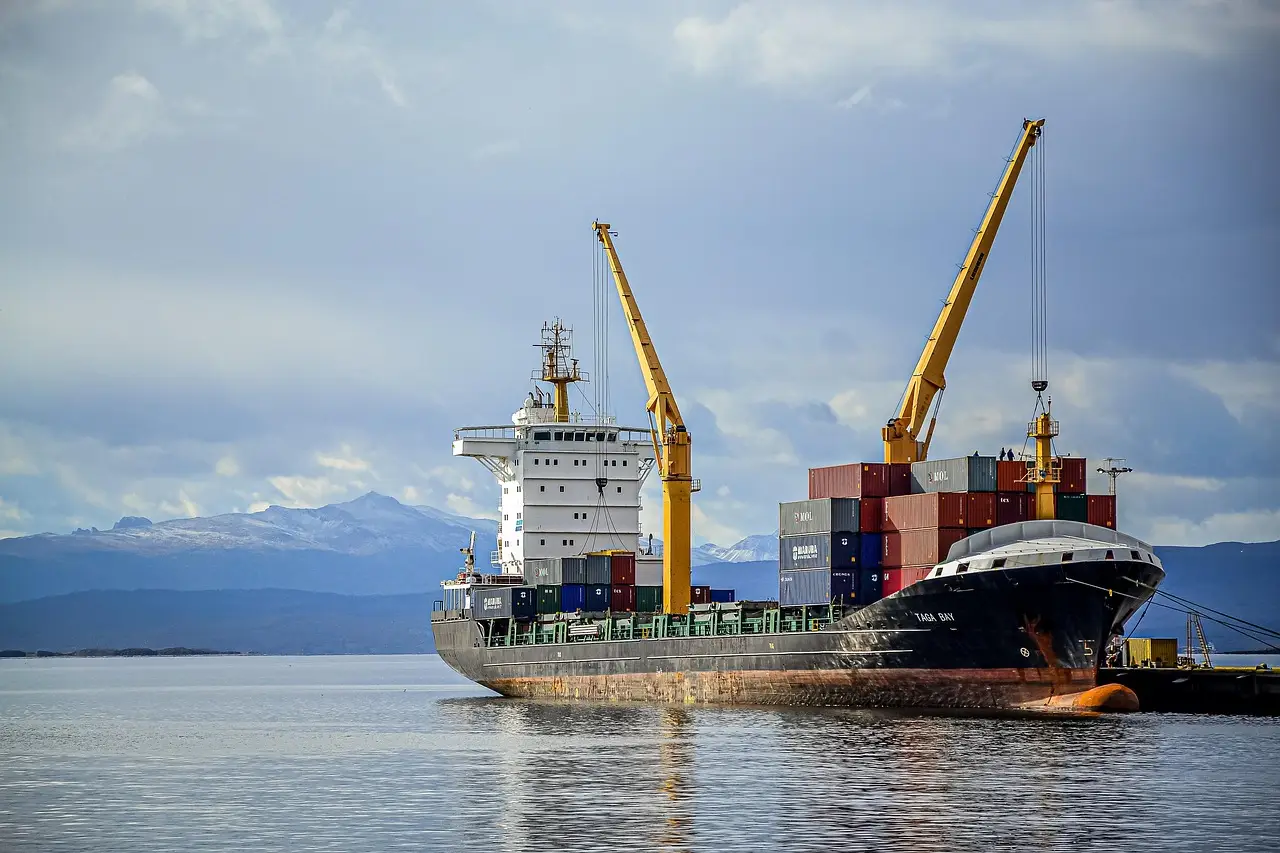
Nearly 40,000 metric tons of ultra-low-sulfur diesel left the Russian Baltic port of Primorsk on Oct. 22 aboard the Malta-flagged tanker Agioi Fanendes, and ship-tracking data puts its arrival at the Port of New York and New Jersey on Nov. 7 — four days after the midterm elections. Nobody has publicly identified the buyer. Sen. Richard Blumenthal, D-Conn., has given the ship's owner until Oct. 31 to name the buyer and everyone else involved.
The cargo is the first visible piece of the deal President Donald Trump announced Oct. 9, after a call with Vladimir Putin that was ostensibly about a suspected plague case in Russia. He announced it while envoys Steve Witkoff and Jared Kushner were meeting Ukrainian officials in Miami on an end-of-war proposal. Russia would start with 300,000 tons of diesel and scale up. As he left for a campaign rally, Trump told reporters: "I want to thank President Putin." Treasury issued the authorizing license the same day.
Congress wrote the Russian import ban into law in 2022. Four days after the announcement, 12 senators — six of them Republicans — asked Trump to rescind the deal.
What does the license actually authorize?
The operative document is OFAC General License 135, which authorizes transactions tied to the sale, delivery, offloading and importation of Russian-origin diesel, including into the United States, through April 7, 2027. It is a Treasury license, not an executive order. That distinction carries the whole legal fight, because a license can only relax rules the executive branch wrote itself.
Most Russia sanctions rest on emergency powers presidents have used since 2014. Scott Anderson, a senior editor at Lawfare and former State Department lawyer, says Trump can almost certainly waive those at will. The import ban is different. Joe Biden banned Russian oil and fuel imports by executive order in March 2022, and Congress followed with the Ending Importation of Russian Oil Act, which put the ban in statute for everything under Chapter 27 of the tariff schedule — diesel included. Lifting it requires conditions including a peace deal accepted by Ukraine's government and advance notice to Congress. None of that has happened.
Treasury's only public explanation is a post on X saying the license is consistent with earlier actions and complies with all applicable laws. Anderson says the administration has a colorable argument built on language in the 2022 act that ties it to the original executive order, but it's far from clear a court would accept it. The White House does have some precedent: this spring Treasury issued a series of 30-day licenses for Russian oil already loaded on ships, aimed at easing prices that spiked with the Iran war. Those passed without much fuss. The new license runs six months and covers future shipments, a bigger ask.
Blumenthal put the objection bluntly in his letter to the shipowner: the president may have issued a license, but "only Congress can make it legally valid."
The license covers diesel alone. Anderson reads that as a possible nod to the Graham Sanctioning Russia and Iran Act, signed in September, which defines crude oil in a way that leaves diesel out. The administration can argue it isn't against the letter of the statute. Whether it honors the spirit is a harder question.
Takeaway: the license relaxes executive-branch rules but cannot lift a statutory import ban — that fight is unresolved.
Who signs for the cargo?
Trump hedged on the U.S. leg earlier this month, telling reporters the arrangement was "a deal for the world." That sits awkwardly next to a tanker steaming for New York Harbor. If the fuel arrives, someone must take title, a terminal must let it dock, a bank must move the money, and an insurer must cover the ship. Each faces the same exposure. The White House never said who pays for the fuel, and the buyer of the first cargo still hasn't surfaced.
Importing goods contrary to law carries criminal and civil penalties under federal customs law. Anderson notes Trump could pardon importers from the criminal side but not the civil side, which can reach the full value of the cargo and forfeiture of the vessel that carried it. Customs penalties can be pursued for up to five years after a shipment arrives.
That five-year window is the real risk. It doesn't depend on who controls Congress, and a president taking office in January 2029 would still have years left on the clock for a cargo landing in November.
Lawmakers are building a paper trail. On Oct. 24, six senators and one House member asked major banks and port authorities in Texas and New York to preserve shipping documents, contracts and communications with officials. Three days later, Blumenthal asked the Greek owner, EASTMED, to identify the seller, buyer, charterer, insurer, terminal operator and distributor, and whether any federal agency had given instructions.
Allies add friction. UK and EU sanctions on Russian diesel remain in force, and Clyde & Co says those bar UK- and EU-based banks and insurers from helping unless the shipment is price-cap compliant. One of the three tankers due next month, the Leruo, is sanctioned by Britain, the EU and Canada.
Takeaway: Treasury said yes, but every company that touches the cargo faces penalties that outlast the license by years.
Do the dates and volumes hold up?
Three tankers carrying about 140,000 metric tons are scheduled to reach U.S. ports between Nov. 7 and Nov. 11, though the dates have shifted. NBC News had the Agioi Fanendes closer to Nov. 10, and gCaptain retracted a story about a separate cargo it expected in Norfolk on Nov. 2. Kremlin spokesman Dmitry Peskov says more tankers will follow regularly, and Putin's readout of the call described Russia as ready to supply oil and oil products to American and global markets — a wider offer than diesel.
Polymarket traders put Democrats at 93 percent to take the House this month and roughly 65 percent for a Senate flip. A Democratic House brings subpoena power; a sweep puts Senate chairs behind the same questions. But a new Congress isn't seated until January, and Trump keeps his veto — so the midterms are a pressure point, not a trigger. The opposition isn't strictly partisan: Republican Sens. Susan Collins, Lisa Murkowski, Thom Tillis and John Curtis joined a bipartisan statement saying the imports violate the 2022 ban; Rep. Brian Fitzpatrick, R-Pa., has promised legislation to block Russian oil purchases; and Senate Armed Services Chairman Roger Wicker predicts the imports never materialize. Trump dismissed GOP critics as "Republicans that can't really be serious."
A landed cargo changes who can sue. Anderson suggests competitors such as biodiesel and renewable diesel producers would likely have standing once imports actually happen. Importers have also seen how fast the rules move: the Graham act passed the Senate 86-11 and required new tariffs on the biggest buyers of Russian oil by Oct. 18, and on Oct. 16 Trump signed an order imposing the duties and waiving them in the same document. Committing to a cargo on one set of rules and finding they changed at sea is a harder sell when penalties can include the ship.
Can the supply math justify it?
The White House case is simple. Diesel ran above $6 a gallon in early October, and the Iran war has squeezed supply through the Strait of Hormuz. A Trump administration official told Semafor that taking Russian fuel is an inevitable consequence of that war. Spokeswoman Taylor Rogers called the deal a great way to supply the global market and bring prices down. Trump has also loosened rules on red-dyed diesel and pressed Germany and France to release reserves.
The math is thin. Russian diesel output has fallen about 30 percent, according to the International Energy Agency, after Ukrainian drone strikes hammered its refineries, and Moscow had been restricting exports to feed its own market. Even if every ton arrives, the full 4.8 million tons Trump described equals roughly 10 days of U.S. demand, and Goldman Sachs estimates a price trim of only $1 to $2 a barrel. Anderson noted in mid-October that global diesel prices hadn't moved meaningfully since the announcement.
The first tanker is smaller still, at roughly 300,000 barrels. Anderson argues the heaviest cost lands on Ukraine, where Trump declared an "energy ceasefire" within days without consulting Kyiv or Moscow, after Putin persuaded him that Ukrainian strikes on Russian refineries were driving prices up. Ukraine held off briefly and appeared to be back hitting Russian refineries by Oct. 15, while Russia kept striking Ukrainian energy sites. Trump has since blamed Volodymyr Zelenskyy for America's diesel bill. The 12 senators who asked Trump to rescind the deal called it "a betrayal of the people of Ukraine," and British Tory leader Kemi Badenoch called it a step backward on Russian oil sanctions.
The watch item: the Nov. 7 docking at New York — and whether any terminal, bank or insurer signs for a cargo that carries a five-year liability clock.
via bloomberg.com (Original)
More from Priya Raman
Show full bio
Senior reporter covering technology and product news in Oil and gas industry operations and markets at Rig & Refinery.
585 articles
Adjoining reports
- Bipartisan warning puts banks, ports on notice over Russian diesel
- Brent Slips Below $105 as Russia-Ukraine Energy Ceasefire Talk Lifts Supply Hopes
- Russian Crude Exports Stay 10% Below Pre-War Levels, UBS Says
- Russia Classifies Refinery Runs, Export Contracts, Tanker Routes
- Russia Resumes Diesel Exorts After Trump-Brokered Deal