Well report · filed November 27, 2026
Upstream Drilling & ProductionWell report
Baghdad moves on Kurdish refinery control as 20% of reserves hang in balance
Baghdad seizes control of Kurdish region refineries, citing millions in monthly smuggling losses, as 20% of Iraq's oil reserves sit in the semi-autonomous territory now facing federal troops on its border.
Field notes
- Roughly 20 percent of Iraq's oil reserves lie in the semi-autonomous Kurdish region.
- Baghdad claims crude oil smuggling costs millions of dollars every month.
- Federal government has announced control over refineries in the Kurdish region.
- Thousands have protested against the move, uniting Kurdish factions.
- Government troops have deployed on the border.
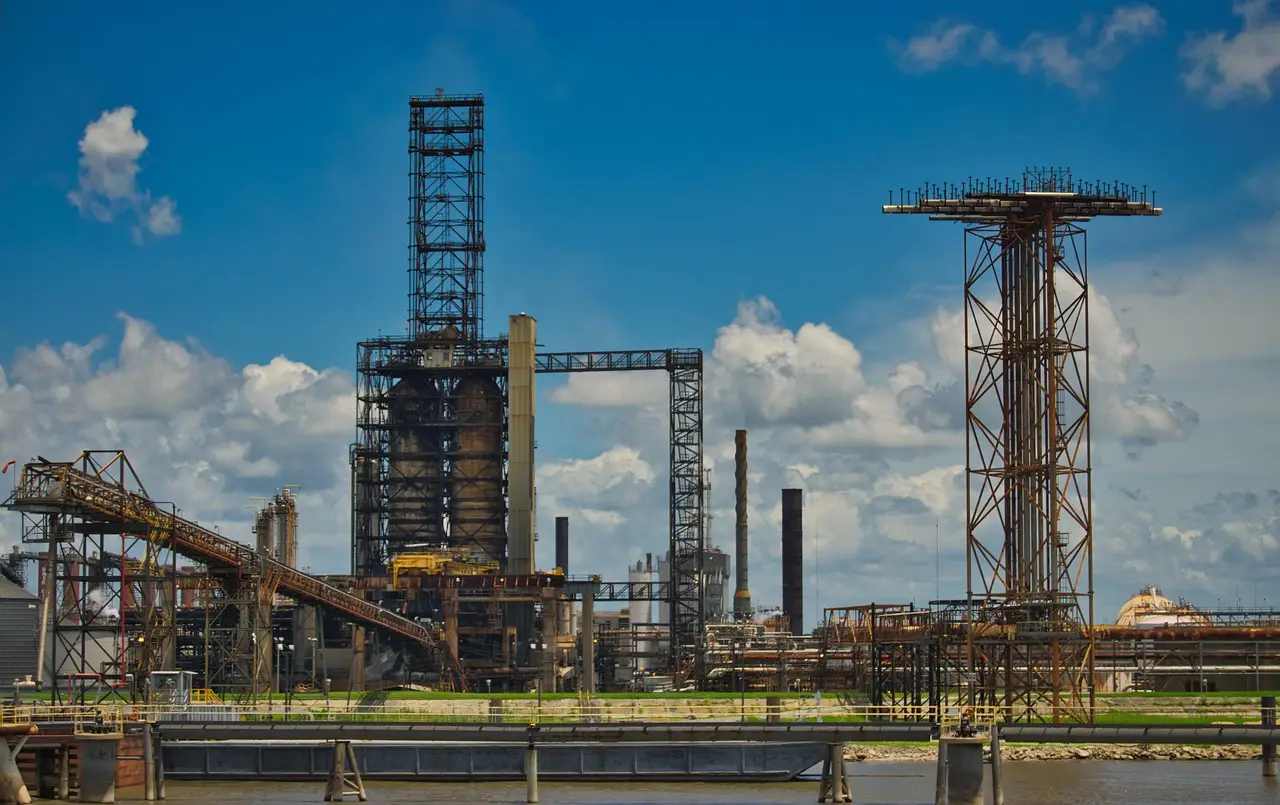
Roughly 20 percent of Iraq's oil reserves sit in the semi-autonomous Kurdish region. That figure now anchors the country's most consequential energy dispute. Baghdad has announced federal control over refineries in the territory, and the Kurdistan Regional Government (KRG), which has operated the fields and funded its administration from hydrocarbon revenue, calls the move an existential threat to its autonomy.
What triggered the federal takeover?
The federal government says crude oil smuggling costs it millions of dollars every month. The refinery seizure is presented as a control measure against that leakage. Baghdad frames the decision as fiscal enforcement, not a constitutional power grab.
The Kurds read it differently. Thousands have protested against what they describe as a loss of autonomy. The reaction has united Kurdish political factions that are otherwise, in the words of the analysts examining the crisis, bitterly divided. A policy aimed at smugglers has produced something rare: a consolidated Kurdish political front.
How exposed is Kurdish revenue?
Kurdistan's governing model runs on oil. The regional administration operates the fields, sells the output and finances itself from the proceeds. Roughly one-fifth of national reserves underwrite that arrangement. Federal control of refineries sits upstream of the revenue chain. Whoever controls processing infrastructure controls the terms of the trade.
Analysts watching the dispute treat the smuggling claim as Baghdad's stated justification rather than a verified figure. The government has not published a detailed accounting of the monthly losses. The claim of losses running to millions of dollars per month remains an official assertion, attributed to the federal government.
Is a military confrontation likely?
Federal troops have deployed to the border. The deployment is the clearest operational signal in the crisis. Analysts disagree on the escalation risk, but the presence of government forces and an aggrieved Kurdish population in the same territory is the scenario every observer is now watching.
The guests assessing the situation on the panel that examined the crisis bring three institutional perspectives. Sajad Jiyad, political analyst and senior non-resident fellow at the Center for International Policy, Renad Mansour, director of the Iraq Initiative at Chatham House, and Kamaran Palani, senior fellow at the Middle East Peace and Security Forum, all point to a structural rather than episodic dispute. The refinery question folds into the longer unresolved argument between Baghdad and Erbil over who owns, sells and taxes Kurdish oil.
What is at stake for markets?
Iraq remains a major OPEC producer, and the Kurdish region accounts for a material share of its reserve base. The 20 percent reserve figure is the number that matters for any supply-risk assessment. A standoff that halts or disrupts Kurdish refining and crude flows would register well beyond Iraq's borders.
The immediate watch items are three. First, whether the refinery handover proceeds without force, and on what timeline. Second, whether the border deployment becomes a permanent security posture or a negotiating instrument. Third, whether the smuggling-loss figure is substantiated with audited data, which would either legitimise the federal claim or expose it as political cover.
Takeaway: a revenue dispute over one-fifth of Iraq's reserves has moved from the negotiating table to the refinery gate and the border checkpoint. The next measurable signal is whether Kurdish oil keeps moving, and on whose terms.
via aljazeera.com (Source)
More from Olivia Hart
Show full bio
Correspondent covering technology and product news in Oil and gas industry operations and markets at Rig & Refinery.
640 articles
Adjoining reports
- Iraq closes two crossings as Trump backs oil-smuggling crackdown
- Baghdad Moves to Seize Kurdish-Controlled North Oil Company Fields
- Baghdad Moves on Kurdish Oil, Crossings as Court Backs Federal Control
- Baghdad Seizes Kurdish Oil Exports; Argentina LNG Clears for $50.75 Billion FID
- Iraq's Top Court Hands Baghdad Control of Kurdish Borders, Oil Fields