Well report · filed November 24, 2026
Upstream Drilling & ProductionWell report
Iraq orders federal takeover of oilfields in Kurdish-controlled areas
Baghdad orders federal control of oilfields in Kurdish-held parts of Kirkuk, Nineveh, Diyala and Salahuddin, plus all border crossings, weeks of tension after a smuggling inquiry.
Field notes
- Order covers oilfields in Diyala, Kirkuk, Salahuddin and Nineveh provinces
- Pipeline exports to Türkiye restarted in September 2025 after a two-year halt
- North Oil Company's director general and deputies suspended pending investigation
- Exports may be approved only through the federal Oil Ministry
- Kataib Hezbollah accused of an oil smuggling network in Jurf al-Sakhar; the group denied it
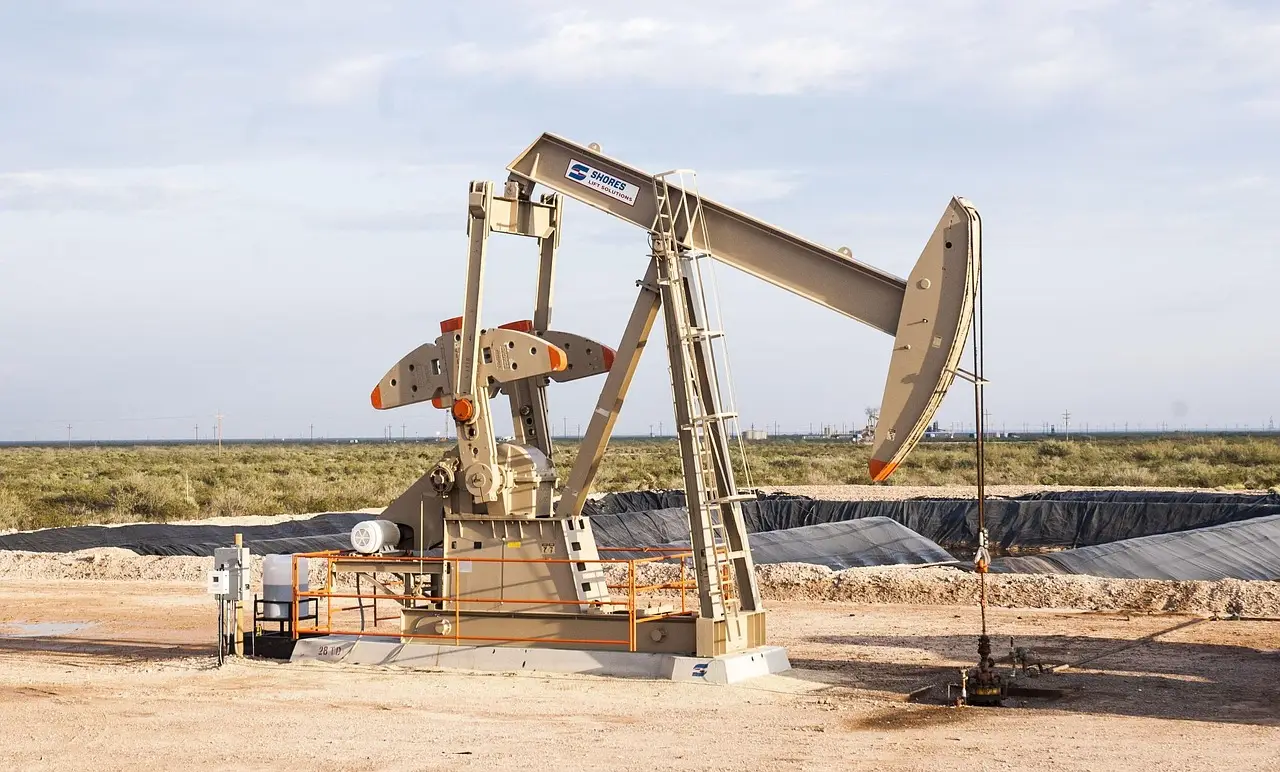
Iraq's Prime Minister Ali al-Zaidi has ordered the federal Ministry of Oil to take control of oilfields in areas under Kurdish security control, a decision that covers four provinces and lands less than a year after Baghdad and Erbil agreed to restart pipeline exports.
The order, issued in a Tuesday statement from the prime minister's office, covers oilfields in Diyala, Kirkuk, Salahuddin and Nineveh provinces. That is a wide footprint. Kirkuk alone sits at the heart of Iraq's disputed territories, where federal and regional security forces have faced off before.
Baghdad said it would "secure and monitor all oilfields with cameras, including fields within the administrative boundaries of the federal government that are under the security authority of the regional government." Cameras are a modest tool for a claim this large. What the statement does not specify is who enforces the order on the ground — the gap that usually decides these disputes.
What else did the order cover?
The directive goes well beyond oilfield management.
- The border crossings authority must take over all crossings in the Kurdish region.
- The regional government may approve crude and product exports only through the federal Oil Ministry.
- The Border Forces Command "shall close unofficial crossings along the international borders with neighbouring countries, including crossings in the Kurdistan Region of Iraq."
- "All seasonal roads" between the four governorates and the Kurdish region will close.
The smuggling inquiry sits behind all of it. Baghdad's concern is leakage — crude moving through channels it cannot meter — and the closures are the enforcement mechanism.
Who got removed?
Al-Zaidi removed the head of the border crossings authority. He also suspended North Oil Company's director general and his deputies pending further investigation, Iraq's state news agency reported.
No charges were named in the statement. Suspension pending investigation is not a conviction, and Iraq's state news agencies do not always follow up. Watch for reinstatements, which are common in Baghdad's energy bureaucracy.
What is the history here?
A dispute over Kurdish authorities selling oil without Baghdad's approval halted pipeline shipments to Türkiye for more than two years. The sides agreed in September 2025 to restart them.
Al Jazeera's Mahmoud Abdelwahed, reporting from Baghdad, said the move "might exacerbate tensions and disputes over control of oil and the sharing of budgetary resources" between the national government and the autonomous regional government.
He added: "The federal government is keen to keep all excavation and marketing of oil under its state organisation, SOMO, but this has been totally rejected by the Kurdish region." SOMO is Iraq's State Organization for Marketing of Oil, the state crude exporter. Erbil's rejection of SOMO control is not new, and nothing in Tuesday's order suggests the Kurdish position has moved.
The September 2025 restart agreement was fragile. This order tests it. If Kurdish authorities read the camera mandate and export routing as federal encroachment, the pipeline could halt again — and that closure cost the region more than two years of revenue the first time.
Is there a separate smuggling case?
Yes, and it points elsewhere. Iraqi officials accused Kataib Hezbollah, an armed group backed by Iran, of running an oil smuggling network in its stronghold of Jurf al-Sakhar, south of Baghdad. The group denied the accusation.
That case involves no Kurdish territory. It shows the smuggling inquiry is broader than the north, and that Baghdad is pursuing multiple networks at once.
What is the watch item?
The order is a directive, not a fait accompli. No date for the takeover appears in the statement, and no volumes from the four provinces are given. The watch items are three: the durability of the September 2025 pipeline restart agreement, the Kurdish region's formal response, and whether federal forces actually deploy to the fields and crossings named. Implementation, not the press release, will tell the market whether Iraqi crude flows through SOMO or around it. Takeaway in plain words: Baghdad just claimed the wells; Erbil has not agreed to hand them over.
via aljazeera.com (Source)
More from Priya Raman
Show full bio
Senior reporter covering technology and product news in Oil and gas industry operations and markets at Rig & Refinery.
672 articles
Adjoining reports
- Baghdad Moves to Seize Kurdish-Controlled North Oil Company Fields
- Kirkuk Crude Flows Through Kurdistan Pipeline Reach 250,000 BPD
- Iraq Moves on Jurf al-Sakhar After Pipeline Oil Theft Exposed
- Iraq PM Fires Nine Officials Over Pipeline Tapping Worth $30m a Month
- Iraq Seeks Oil Export Routes Around the Strait of Hormuz