Well report No. RR-9657 · T23N · R37W · SEC 11 · filed November 10, 2026
Petroleum MarketsWell report
BP's Q3 Numbers: An 11% Debt Cut and a Skeptic's Checklist
BP cut net debt, hybrids, leases and Gulf of Mexico settlement liabilities by over 11% quarter-over-quarter. Management still concedes more deleveraging is needed.
Field notes
- BP's Q3 results, released late October, were boosted by higher oil and gas prices and stronger refining margins.
- Net debt, hybrids, leases and Gulf of Mexico settlement liabilities fell more than 11% quarter-over-quarter.
- BP acknowledges further deleveraging is still needed.
- Asset sales include Bay du Nord, the deepwater project off Newfoundland.
- Flagged risks: lower LNG exposure versus peers and an ongoing new Chair selection.
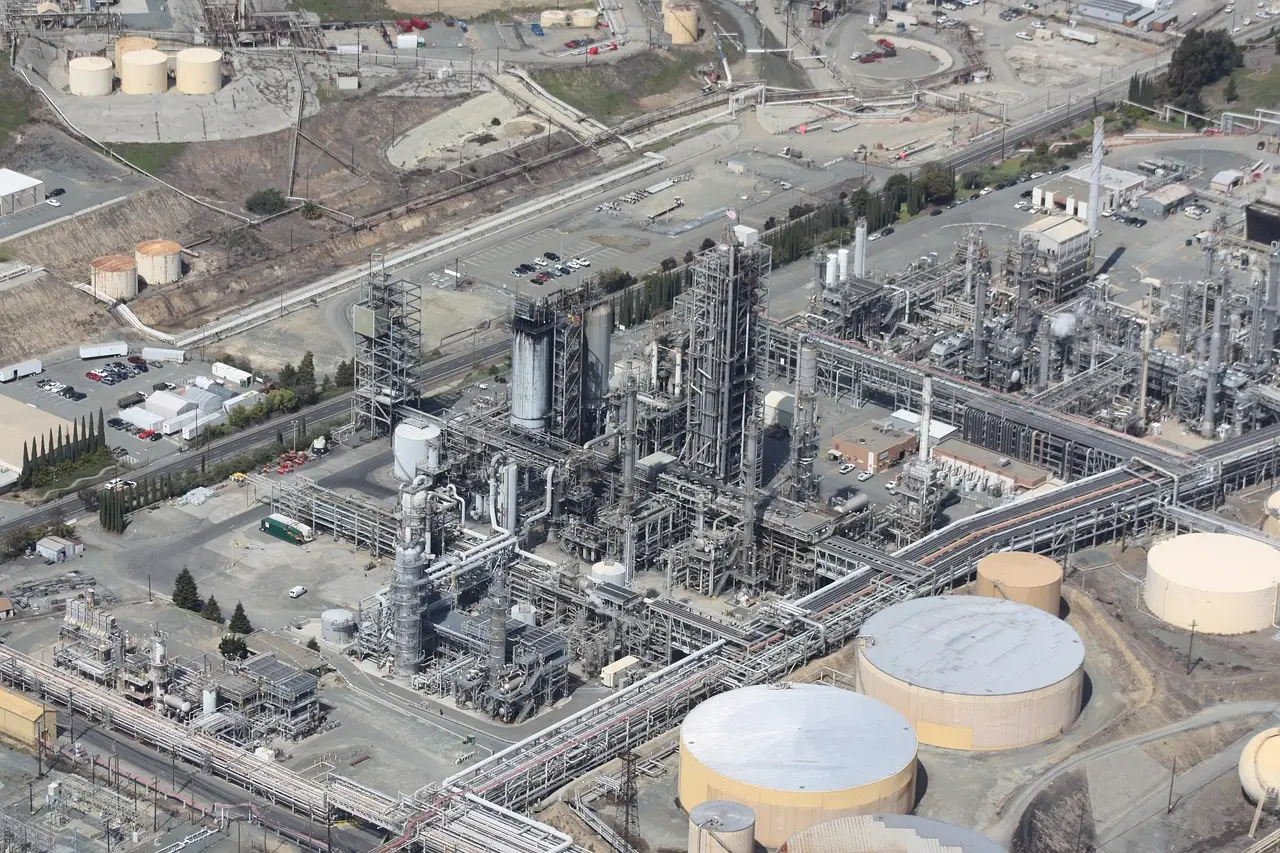
BP p.l.c. cut net debt, hybrids, leases and Gulf of Mexico settlement liabilities by more than 11% quarter-over-quarter, according to its late-October third-quarter results. That is the operational number anchoring the rating upgrade thesis now circulating among analysts. It is a big cut. It is also not the whole story.
What drove the bumper quarter?
The quarter delivered what one analyst review called "a bumper set of results." The driver was not internal wizardry. Macro tailwinds did the lifting: higher oil and gas prices plus stronger refining margins (the spread between crude input costs and product sale prices, the core profit gauge for downstream operators).
BP's own framing emphasizes three levers: portfolio simplification, operational excellence, and financial resilience. All three are real. But a quarter boosted by price cycles tells you little about structural performance. Strip out the macro, and the underlying picture is harder to read.
Takeaway: the quarter was good, but prices were doing half the work.
How much deleveraging actually happened?
The headline metric bundles four liabilities: net debt, hybrid instruments (debt-equity securities), lease obligations, and Gulf of Mexico settlement liabilities. Together they fell over 11% versus the prior quarter. That is a genuinely fast reduction.
BP itself acknowledges the caveat. The company concedes further deleveraging is needed before the balance sheet reaches its target. An 11% quarter is not a trend. Sustaining that pace across several quarters, at potentially softer prices, is the test management has not yet passed.
Takeaway: real progress, and management admits it is unfinished.
What does the Bay du Nord sale signal?
BP has been selling assets, with Bay du Nord — the deepwater project off Newfoundland — cited as the marquee disposal. The stated logic is disciplined capital allocation: concentrate resources on high-return opportunities and competitive long-term value.
Asset sales cut two ways. They raise cash and simplify the portfolio. They also shrink future production and reserve replacement. The analyst review treats the sales as evidence of discipline rather than shrinkage. Fair enough, but the counterfactual — what Bay du Nord would have contributed — leaves the frame entirely. Buyers get that upside; shareholders get the proceeds.
Takeaway: simplification is real, and it has a price.
What are the risks the upgrade thesis skips?
The review flags two structural concerns, and both deserve weight:
- Lower LNG exposure versus peers. Rivals have spent years building liquefied natural gas portfolios. BP trails that group, which matters if gas trade flows and pricing power keep consolidating around LNG in the coming decade.
- Leadership transition. A new Chair selection is underway at BP. Succession at the top of an integrated major is rarely seamless, and strategy continuity is the open question until the appointment lands.
Neither risk is priced into a headline that says "simpler, stronger and more valuable." They should be.
Takeaway: the balance sheet is improving faster than the strategy risks are resolving.
What should readers watch next?
The rating upgrade rests on macro tailwinds, an 11% liability reduction, and asset sales — with an admitted need for more deleveraging, thinner LNG positioning, and an unresolved Chair search sitting alongside it. Watch the next quarter's liability metric, the pace of further disposals, the new Chair announcement, and whether refining margins hold as new capacity comes online globally. Each one can confirm or undo the thesis on its own.
The macro giveth. The watch list is long.
via seekingalpha.com (Source)
More from Priya Raman
Show full bio
Senior reporter covering technology and product news in Oil and gas industry operations and markets at Rig & Refinery.
594 articles
Adjoining reports
- BP Posts $8.6 Billion Quarterly Profit as Refining Margin Hits $46.7/b
- Halliburton beats Q2 estimates as CEO flags softer oilfield market
- Halliburton Beats Q2 Estimates as CEO Flags Softer Services Market
- $38 Billion Quarter, No Spending Spree: Majors Pay Debt First
- Q1 Earnings Scorecard: Where SLB Stands Among Oilfield Services