Well report No. RR-5981 · T23N · R14W · SEC 11 · filed November 10, 2026
Petroleum MarketsWell report
Brent Slides Toward $92 as Iran Risk Premium Deflates
Brent slipped to about $92.33 after a 5.85% drop as Trump called renewed strikes on Iran "highly unlikely" and OPEC output rebounded to 22.9 million b/d, 90% of pre-war levels.
Field notes
- Brent traded near $92.33/bbl after a 5.85% drop on Monday, the lowest since late August.
- Trump called renewed strikes on Iran "highly unlikely" and "not necessary at this point".
- OPEC October output rebounded to about 22.9 million b/d, roughly 90% of pre-war levels.
- WTI traded between $85.8 and $86.5 per barrel, over $1 below Monday in some quotes.
- Base case sees Brent consolidating in the low-$90s with support near $90 absent new Iran headlines.
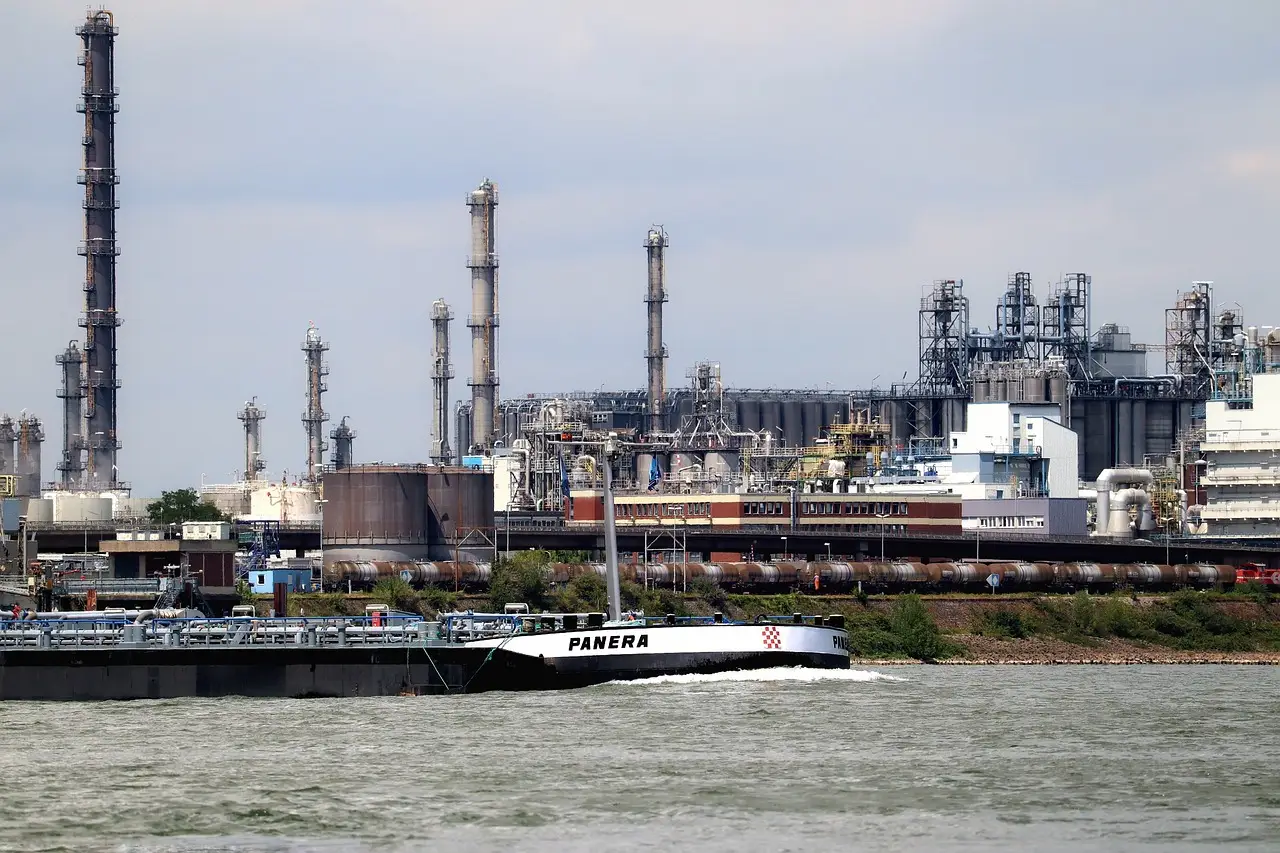
Brent futures traded near $92.33 per barrel in early Asian trade on Tuesday, extending a 5.85% slide in the previous session that took the benchmark to its lowest level since late August. WTI held in the mid-$80s, between $85.8 and $86.5, more than a dollar below Monday's levels in some quotes, as traders continued to strip war risk out of the price.
What changed in Washington's stance?
The immediate driver is rhetoric, not barrels. President Trump said renewed strikes on Iran are "highly unlikely" and "not necessary at this point." That language eased fears of a prolonged shutdown of Middle Eastern exports, especially through the Strait of Hormuz.
Markets now assume a constrained but functioning flow scenario rather than a full closure of the chokepoint. A US naval blockade continues. Attacks on vessels near Hormuz persist, though at lower intensity. Traders have repriced accordingly.
The slide began earlier. Since early November, growing talk of US-Iran contacts through regional mediators triggered a first sharp leg lower in prices, before this week's comments accelerated the move.
The verdict in plain words: the market has stopped paying full price for a war that Washington says it does not want.
How much supply is actually back?
OPEC crude output rebounded in October to roughly 22.9 million b/d, about 90% of its pre-war level, according to fresh survey data. Saudi Arabia, Kuwait and Iraq led the increase, adding visible barrels back into the system.
Resilient non-OPEC production from the United States, Brazil and Canada is offsetting much of the war-related loss from Persian Gulf exporters. Global supply is moving closer to balance after the earlier disruption. Earlier oversupply and inventory builds in on-land and floating storage had already cushioned the system, limiting upside when the latest crisis intensified.
Speculative positioning had turned heavily long at the peak of the Hormuz crisis. The current drop looks consistent with long liquidation as traders re-price a lower probability of worst-case scenarios.
The takeaway: the physical market, not just the paper market, is loosening.
What about demand and weather?
Demand offers little direction. Macro data remain mixed, and risk-asset markets are more focused on US inflation and central-bank trajectories. The latest leg lower in crude also reflects unwinding of inflation hedges and energy-related risk trades rather than a new demand shock.
Weather is not a primary driver but it leans bearish. Mild early-winter conditions across Iran and the wider Gulf have produced no major disruptions to ports or offshore loadings. In the United States, temperate November weather has kept heating-related demand growth contained, marginally softening product pull from refineries.
What is the 3-10 day outlook?
The balance of risks points to consolidation with high headline sensitivity rather than a sustained directional trend, since the Strait of Hormuz remains partially constrained, Iran continues to demonstrate strike capability across the region, and a single headline on attacks or failed talks could quickly reverse part of the downside move.
- Geopolitics: As long as Trump maintains a restraint-first stance and talks continue, markets will price lower tail-risk, capping rallies near recent highs.
- OPEC supply: Confirmation that output is normalizing near 90% of pre-war levels would reinforce risk-premium compression.
- Macro and FX: US data and dollar moves will steer speculative flows; a stronger dollar typically weighs on crude at the margin.
The base case, as framed by the market commentary: Brent stabilizes in the low-$90s and WTI in the mid-$80s, with a slightly downside-skewed bias if no new security incidents occur. Upside spikes remain possible on any reversal in US rhetoric or a major shipping incident near Hormuz.
How should desks position?
The commentary accompanying the price action offered specific guidance. Producers in Iran and the United States were advised to use the pullback to layer in incremental short-dated hedges rather than wait for a full retrace of the war-risk rally, focusing on Q1-Q2 2027 tenors where volatility remains elevated. Consumers and refiners were pointed toward flexible buying or options-based hedges on dips, without over-committing at a single level. Short-term traders were told to avoid chasing further downside after an outsized move, with $90 Brent and $85 WTI as the psychological reference points.
Three-day indications call for both benchmarks mildly lower or sideways, with support for Brent near the low-$90s absent new Iran headlines.
The watch item: the next headline out of Washington or Tehran. That, not the balance sheet, sets the range.
via commodity-board.com (Source)
More from Daniel Okafor
Show full bio
Market editor covering companies, deals and strategy in Oil and gas industry operations and markets at Rig & Refinery.
560 articles
Adjoining reports
- Brent Slips Below $112 as Hormuz Attacks Fail to Lift Oil Before Midterms
- Brent Slides to $100.60 as Traders Price In a U.S.-Iran Deal
- Brent Slides 1.7% to $90.99 as Trump Pauses New Iran Strikes
- Brent Back Above $96 as Gulf Shipping Incidents Offset Midterm Selloff
- Brent set for 16% weekly decline as Iran diplomacy lifts hopes