Well report No. RR-4904 · T4N · R31W · SEC 28 · filed November 12, 2026
Petroleum MarketsWell report
Brent at $98: Why Chevron Beats ExxonMobil as War Premium Fades
Brent near $98/bbl lifted both majors, but the analyst argues Chevron's dividend is covered at $54–$70 Brent versus ExxonMobil's $76–$83 — a $20 gap that decides the buy/hold split.
Field notes
- Brent traded near $98/bbl on 6 November amid a 2026 war premium.
- ExxonMobil committed to a $20 billion buyback plus dividend, sized for war-level cash flow per the analyst.
- Chevron's dividend is covered at $54–$70 Brent; ExxonMobil's at $76–$83 Brent.
- Analyst rates Chevron buy, ExxonMobil hold, citing CVX's lower multiple and flexible buybacks.
- Chevron's 2027 upside drivers: Venezuela, TCO (Kazakhstan), and Hess assets.
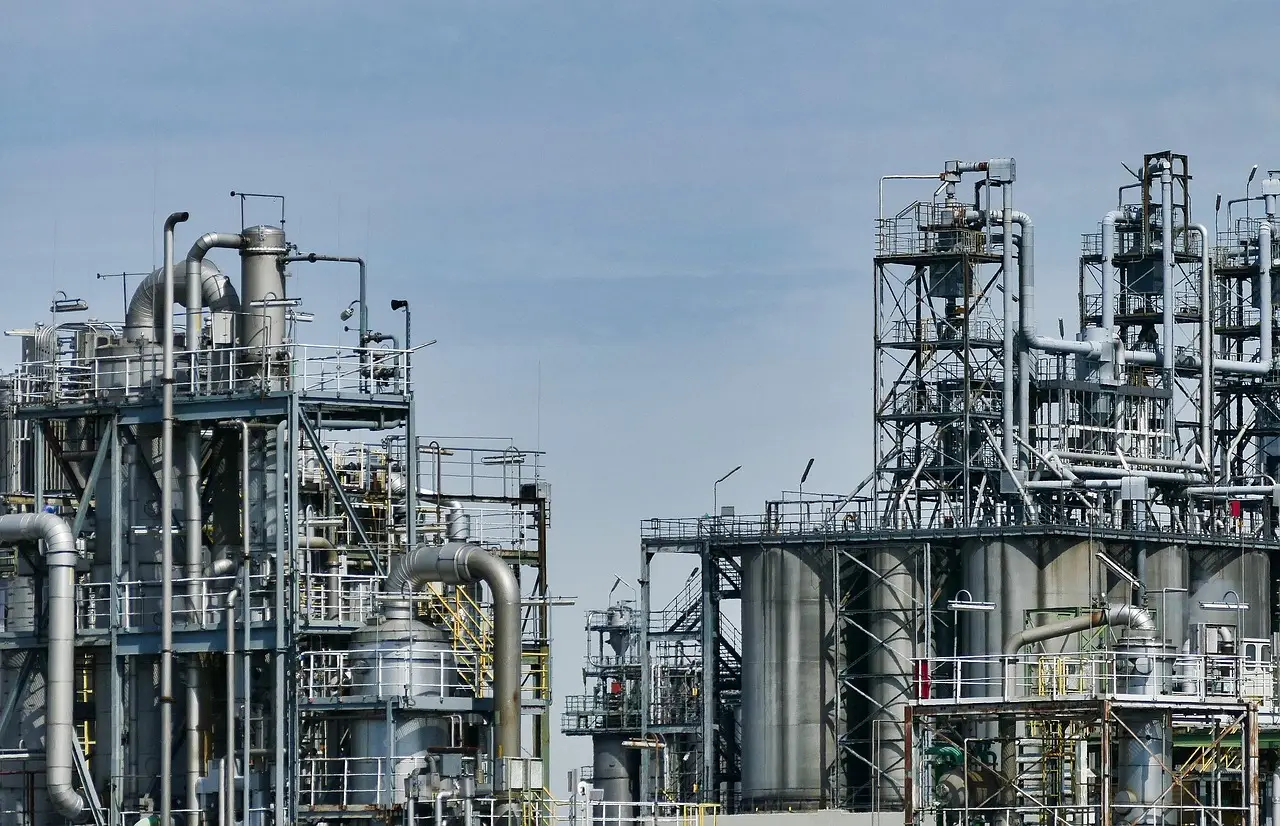
Brent crude sat near $98/bbl on 6 November, and a new analyst note argues that number is the problem, not the promise. Both Chevron (CVX) and ExxonMobil (XOM) banked a war windfall in 2026, the analysis published on Seeking Alpha notes, and both have already begun handing that cash back to shareholders. The question is which payout survives if the windfall doesn't.
The verdict: buy Chevron, hold ExxonMobil. The analyst rates CVX a buy and XOM a hold, on the grounds that Chevron's shareholder payout aligns better with post-war cash flows and the stock trades at a lower multiple. That's an opinion, not a fact. But the arithmetic behind it deserves a look.
What does the payout math show?
The core claim is about dividend coverage — the Brent price at which each company's dividend is fully paid from operating cash (i.e., the payout doesn't force borrowing or asset sales).
- Chevron: dividend covered at $54–$70/bbl Brent
- ExxonMobil: dividend covered at $76–$83/bbl Brent
That gap gives Chevron roughly $20/bbl of extra downside protection if oil falls. If Brent normalizes below the high-$70s, ExxonMobil's payout starts leaning on the balance sheet, the analyst argues. Chevron's coverage floor sits far closer to historical mid-cycle prices.
Takeaway: Chevron's dividend survives a cheaper oil world; ExxonMobil's needs $76 or better.
Is ExxonMobil's $20 billion commitment sustainable?
ExxonMobil has committed to a $20 billion buyback program plus its dividend. The analyst's skeptical read is that this commitment is sized for war-level cash flow. If Brent retreats from the $98 mark toward something normal, the company may need balance sheet support — debt, in plain terms — to keep the promise.
Chevron's buybacks, by contrast, are described as flexible. The company can throttle repurchases down as cash flow falls without breaking a stated commitment. That flexibility is the whole argument. It's also worth noting what the source doesn't say: no production numbers, no capex guidance, no timeline for when this normalization might hit.
Takeaway: a fixed $20 billion buyback is a liability if prices fall; a flexible one isn't.
Where does Chevron's 2027 upside come from?
The analyst points to three named drivers for Chevron's 2027 upside:
- Venezuela — presumably resumed or expanded operations there, though the source gives no volumes
- TCO — the Tengizchevroil venture in Kazakhstan, Chevron's long-life, low-cost Caspian asset
- Hess — the acquired portfolio, anchored by the Stabroek block in Guyana
No barrels-per-day figures, FID dates, or production ramps accompany any of these. The bull case is directional, not quantified. Readers should treat it as appraisal-stage reasoning rather than sanctioned-project math.
Takeaway: three real assets, zero disclosed numbers — the 2027 case rests on names, not barrels.
What's the watch item?
The whole thesis hinges on whether the war premium fades. Brent at $98 on 6 November embeds geopolitical fear. If peace or supply normalization pulls crude toward the mid-cycle range, ExxonMobil faces a choice: borrow to fund the $20 billion buyback, or cut it and disappoint the market. Chevron, with coverage down to $54 Brent and a flexible repurchase, has no such cliff.
The analyst discloses no positions in either stock and no business relationships with the companies. The rating gap — buy versus hold — is ultimately a valuation call: lower multiple, higher yield, cheaper coverage floor. The caveat writes itself. Nobody, including this analyst, knows where Brent settles. What's measurable today is the coverage spread: $54–$70 versus $76–$83. That spread, not the war headline, is the number to watch.
via seekingalpha.com (Source)
More from Priya Raman
Show full bio
Senior reporter covering technology and product news in Oil and gas industry operations and markets at Rig & Refinery.
620 articles
Adjoining reports
- Crude Holding Above $94 Puts Oilfield Stocks Back in Focus
- Brent falls 8.6% as de-escalation expectations pressure crude prices
- Brent Down 12.88% in 20 Days: Traders Eye 89.15 Floor and 106.31 Lid
- Brent Slides 1.7% to $90.99 as Trump Pauses New Iran Strikes
- Brent set for 16% weekly decline as Iran diplomacy lifts hopes