Well report · filed November 26, 2026
Petroleum MarketsWell report
Brent Jumps $3.50 to Near $95 as Curve Steepens Into Backwardation
Brent January 2027 jumped $3.50 to $94.90/bbl on 25 November as the crude curve turned steeply backwardated, with a 29 November OPEC+ meeting set to decide between deeper cuts and volume.
Field notes
- ICE Brent January 2027 settled at $94.90/bbl on 25 November, up $3.50 or 3.69% on the day
- IEA estimates global supply rose 2.3 million bbl/d in October to about 105.4 million bbl/d
- Global demand contracted 2.0–2.7 million bbl/d in 2026, per IEA and EIA estimates
- OPEC+ meets 29 November to decide on cuts versus volume and market share
- WTI deferred prices fall to near $72/bbl by December 2027 and $55–56/bbl by December 2033
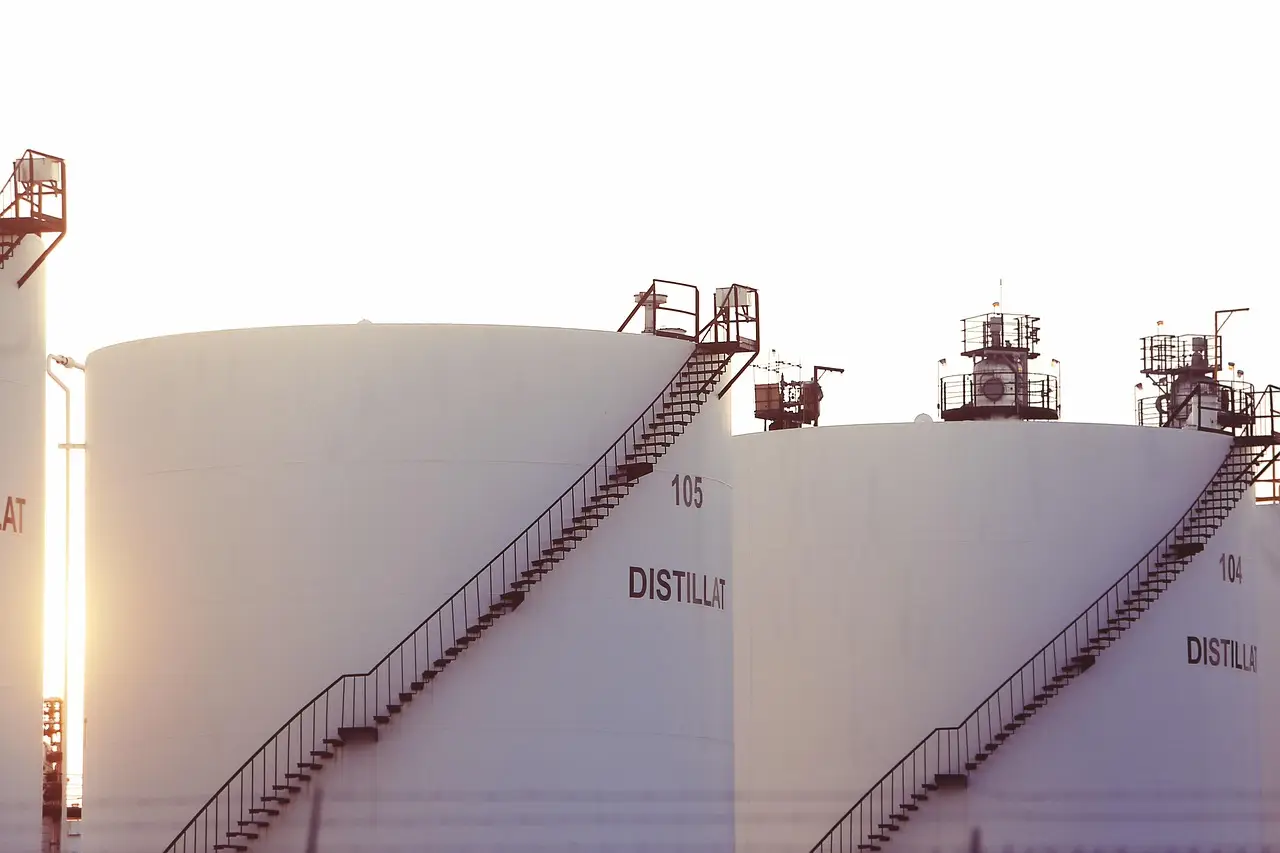
ICE Brent for January 2027 settled at $94.90/bbl on 25 November, up $3.50 or 3.69% on the day, while NYMEX WTI closed at $83.68/bbl, up $1.63 or 1.95%, as tight nearby supply and geopolitical risk drove a steep backwardation across the prompt curve.
The gains were not confined to the front. The WTI prompt strip through June 2027 rose roughly 0.6–2.1% on the day, and Brent outpaced WTI, widening the Brent–WTI spread. ICE low-sulphur gasoil for December 2026 settled at $1,121.25/t, up 1.74%.
What does the curve say?
The shape of the market tells the real story. WTI December 2027 trades near $72/bbl, December 2029 around $65/bbl, and December 2033 close to $55–56/bbl. By January 2038, WTI sits just above $46/bbl. Brent follows the same pattern: December 2027 near $77/bbl, easing toward the low-60s by the mid-2030s.
That structure prices strong near-term tightness and risk premia against a market that expects ample supply and softer demand further out. The gasoil forward curve remains upward sloping in nominal terms, but small daily percentage changes beyond 2028 indicate the diesel tightness is concentrated in the nearby winter months. In plain words: the market is paying up for barrels now and discounting barrels later.
Supply and demand pull in opposite directions
The IEA's November Oil Market Report puts global supply at roughly 105.4 million bbl/d for October, up about 2.3 million bbl/d, led by recovering Persian Gulf exports, record U.S. crude production, and the restart of Libya's Sharara pipeline. The same report shows the market moving into surplus in Q4 2026, with inventories already building in October and more substantial stock builds projected into 2027.
Demand is contracting. Both the IEA and EIA estimate global oil demand fell in 2026 by 2.0–2.7 million bbl/d versus last year, weighed down by slower growth, efficiency gains, and the impact of conflict on some consuming regions. Macro data still show resilience in some economies, but the balance of evidence points to demand growing more slowly than supply in the months ahead.
Two disruptions are the bullish counterweight:
- Multiple drone strikes on Russian refineries and energy infrastructure have reportedly taken a significant share of refining capacity offline in November, pressuring middle-distillate supply.
- Heightened tensions around the Strait of Hormuz — including reports of damage to an LPG tanker from a mine — are maintaining a geopolitical risk premium, particularly in Brent.
Inventories split between the U.S. and the world
The U.S. Weekly Petroleum Status Report for the week ending 20 November, released 25 November, shows a further decline in commercial crude stocks, reinforcing the perception of tight prompt balances. Total U.S. inventories remain near or slightly above five-year averages, but consecutive November draws contrast with the global surplus narrative and help justify the steep front-end backwardation.
Internationally, the picture reverses. Observed oil inventories rose about 50 million barrels in October, roughly 1.7 million bbl/d, as rising Gulf exports and recovering Libyan flows exceeded subdued demand. The IEA expects additional builds in Q4 2026 and throughout 2027, assuming current OPEC+ policy settings.
Product balances remain tighter than crude. Winter heating and transport demand in the Northern Hemisphere, combined with Russian refinery outages, support diesel and gasoil cracks, pulling prompt crude higher even as gasoline prices drift down in many consuming markets.
What changes at the OPEC+ meeting?
The 29 November OPEC+ meeting frames the near-term outlook. Producers face a choice between deeper cuts to defend price levels or accepting lower flat prices in exchange for volume and market share. A decision to deepen or extend cuts would likely keep WTI anchored in the low- to mid-80s and Brent in the mid-90s, sustaining backwardation. Any sign of quota relaxation or compliance slippage could trigger a renewed sell-off toward the high-70s in WTI and high-80s in Brent.
Positioning takeaways for practitioners
- Producers with prompt exposure may use the rally to add hedges in Q1–Q2 2027 WTI and Brent, where prices above $80/bbl (WTI) and $90/bbl (Brent) look rich versus long-term forwards.
- Refiners and physical buyers might lock in gasoil and diesel margins selectively for winter delivery, avoiding over-hedging into late 2027–2028 where surplus risks and demand uncertainty increase.
- Speculative participants could favor curve and crack structures — long prompt/short deferred, long gasoil versus crude — over large outright directional bets ahead of the OPEC+ meeting and year-end macro data.
The current structure argues for caution with outright long exposure far along the curve, where $55–65/bbl prices already embed the surplus scenario. Prompt spreads and diesel-linked cracks still offer value to participants who believe geopolitical risks and winter demand are underpriced.
Over the next three days, WTI's front month carries a mildly bullish bias with elevated intraday volatility as liquidity thins around the U.S. Thanksgiving holiday. Brent holds a slightly stronger bullish skew given its Middle East shipping-route risk premia, and ICE gasoil looks firm to higher, with upside risk on any fresh disruption headlines. The watch item is Vienna on 29 November.
via commodity-board.com (Source)
More from James Calloway
Show full bio
Staff writer covering people, launches and day-to-day practice in Oil and gas industry operations and markets at Rig & Refinery.
672 articles
Adjoining reports
- Brent at $113.88 as Hormuz Risk Premium Steepens Backwardation
- WTI Front Month Hits $83.89 as Backwardation Steepens on Hormuz Risk
- Oil Curve Pays War Premium Now, Prices $56 WTI for 2033
- Brent at $92.63: Steep Backwardation Signals Tight Barrels Now, Looser Later
- Brent Slides 6.7% to $92.12 as Iran War Premium Deflates