Well report No. RR-1610 · T24N · R15W · SEC 24 · filed November 18, 2026
Petroleum MarketsWell report
Brent Rebounds to $93.71 as Hormuz Risk Offsets Returning Gulf Barrels
Brent rose 1.4% to $93.71 on Hormuz attacks and expected U.S. stockpile draws, even as Gulf exports recover and the IEA projects a 1.7 million bpd Q4 surplus.
Field notes
- Brent rose $1.27, or 1.4%, to $93.71/bbl; WTI gained $1.25 to $86.97 by 1340 GMT Tuesday.
- The IEA projects Q4 global supply near 105 million bpd, about 1.7 million bpd above demand.
- The U.S. Strategic Petroleum Reserve fell to 276.4 million barrels, the lowest since August 1982.
- OPEC+ meets November 29 to discuss its 2027 production strategy.
- Brent has dropped roughly 20% this month as supply recovery offsets Middle East risk premiums.
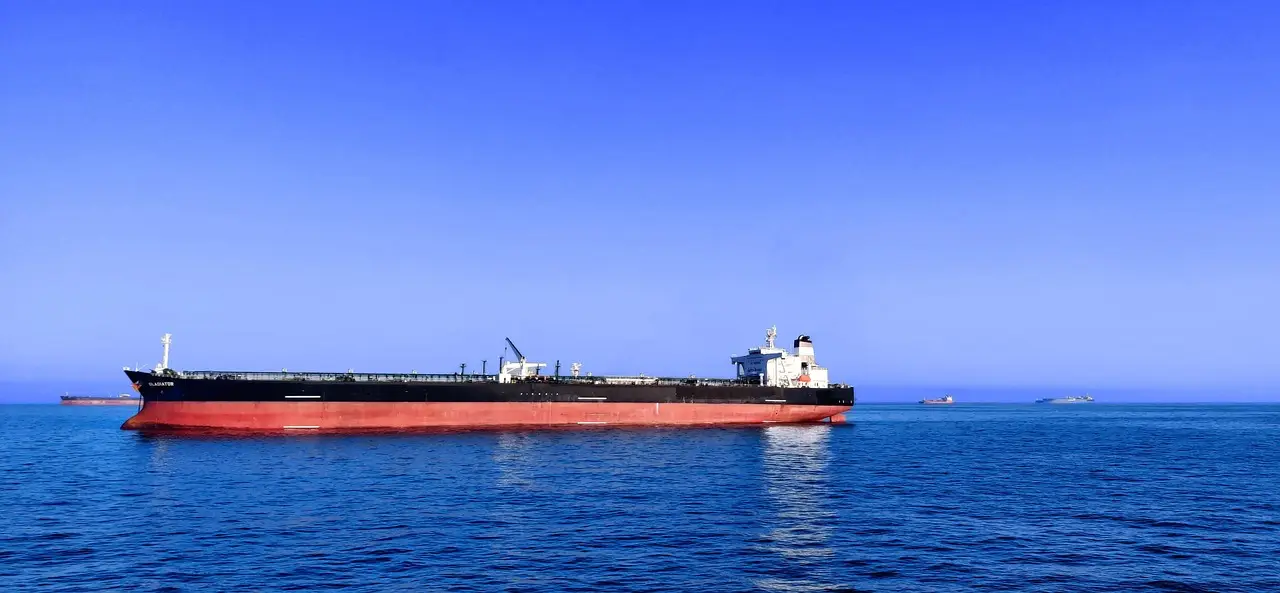
Brent crude settled the session $1.27 higher, up 1.4% at $93.71 per barrel by 1340 GMT, as attacks near the Strait of Hormuz offset a steady return of Gulf exports. West Texas Intermediate gained $1.25, or 1.5%, to $86.97. The rebound sits inside a larger decline. Brent has lost roughly 20% this month; WTI is down 16%.
The market is pulling in two directions at once. Security incidents are pushing prices up. Recovering supply is pulling them down. Traders have to price both, and the sum is a $93 barrel that few trust.
What happened at Hormuz?
Iranian drones struck a U.S. military radar installation in Bahrain, according to the report. Separately, a vessel transiting the Strait of Hormuz was hit twice, and its crew remains unaccounted for. The incidents reinforce doubts about the reliability of the corridor that carries a large share of the world's seaborne crude.
One strait, two strikes, one missing crew. That is the risk premium in a sentence.
Can returning exports cap the rally?
Saudi Arabia, Iraq and Kuwait have raised production toward pre-conflict levels, easing earlier supply constraints and narrowing the premium on freight from the region. Lower tanker rates point the same way: some transportation risk is already deflating, even as shipping disruption remains a live concern.
The International Energy Agency now expects global supply to average about 105 million barrels per day in the fourth quarter. That sits roughly 1.7 million bpd above anticipated demand — a swing from earlier deficit forecasts to a projected surplus. For context, 1.7 million bpd is close to the daily output of a mid-sized OPEC producer, arriving every quarter if the forecast holds.
The IEA has changed its mind. The market has not fully changed its price.
What do inventories and the SPR say?
Analysts polled by Reuters expect commercial crude stockpiles to have fallen ahead of the weekly industry and government reports — the session's second leg of support. The government buffer is thinner. The U.S. Strategic Petroleum Reserve stands at 276.4 million barrels, its lowest level since August 1982, after emergency releases aimed at covering supply disruptions.
A reserve last seen when the industry was half its current size. That is not a comfort to anyone reading the tally.
What comes next from OPEC?
OPEC officials met Monday to review members' sustainable production capacities, an assessment expected to shape future output quotas. The wider OPEC+ grouping convenes November 29 to settle its 2027 production strategy. Those two meetings sit between the market and any durable view of balance.
Who wins at these prices?
The competing signals split the value chain. Higher crude supports upstream cash flow. Better export availability helps refiners, through cheaper feedstock and potentially narrower crude differentials. Institutional investors and family offices are watching inventories, freight and OPEC+ decisions for the answer to one question: sustained oversupply, or renewed vulnerability.
The verdict, in plain words: geopolitics bought Tuesday's rally; fundamentals are still billing for it. The watch items are the weekly U.S. stockpile reports, the November 29 OPEC+ meeting, and the pace at which Hormuz throughput normalizes without another strike.
via oilandgas360.com (Source)
More from Daniel Okafor
Show full bio
Market editor covering companies, deals and strategy in Oil and gas industry operations and markets at Rig & Refinery.
609 articles
Adjoining reports
- Brent Back Above $92 as Hormuz Attacks Top October Record
- Brent Slips Below $112 as Hormuz Attacks Fail to Lift Oil Before Midterms
- Brent Holds Near $96 as Unverified Hormuz Mine Reports Rattle Traders
- Brent set for 16% weekly decline as Iran diplomacy lifts hopes
- Brent Slides Toward Second Weekly Loss as Iran Escalation Premium Unwinds