Well report No. RR-8728 · T6N · R20W · SEC 6 · filed November 14, 2026
Petroleum MarketsWell report
Brent Slides Toward Second Weekly Loss as Iran Escalation Premium Unwinds
Brent near $96.04 and WTI near $88.59 head for a second weekly loss of about 2.3% as escalation fears ease, but a 4.7-million-barrel U.S. crude build and Hormuz tanker attacks cap the downside.
Field notes
- Brent traded near $96.04/bbl and WTI near $88.59/bbl Friday, both down about 2.3-2.4% for the week after prior-week losses of 16% and 13%.
- EIA reported U.S. commercial crude inventories rose 4.7 million bbl to 414.4 million bbl for the week ended November 6, versus an expected 1.1-million-bbl draw.
- Iran's military said four oil tankers were hit by explosions in the Strait of Hormuz on Thursday; the claims were unverified.
- Houthis claimed attacks on the Saudi East-West pipeline, infrastructure near Yanbu, and a Saudi Aramco building in Riyadh.
- Trump said Washington did not need a negotiated agreement with Iran, pointing to continued blockade and sanctions.
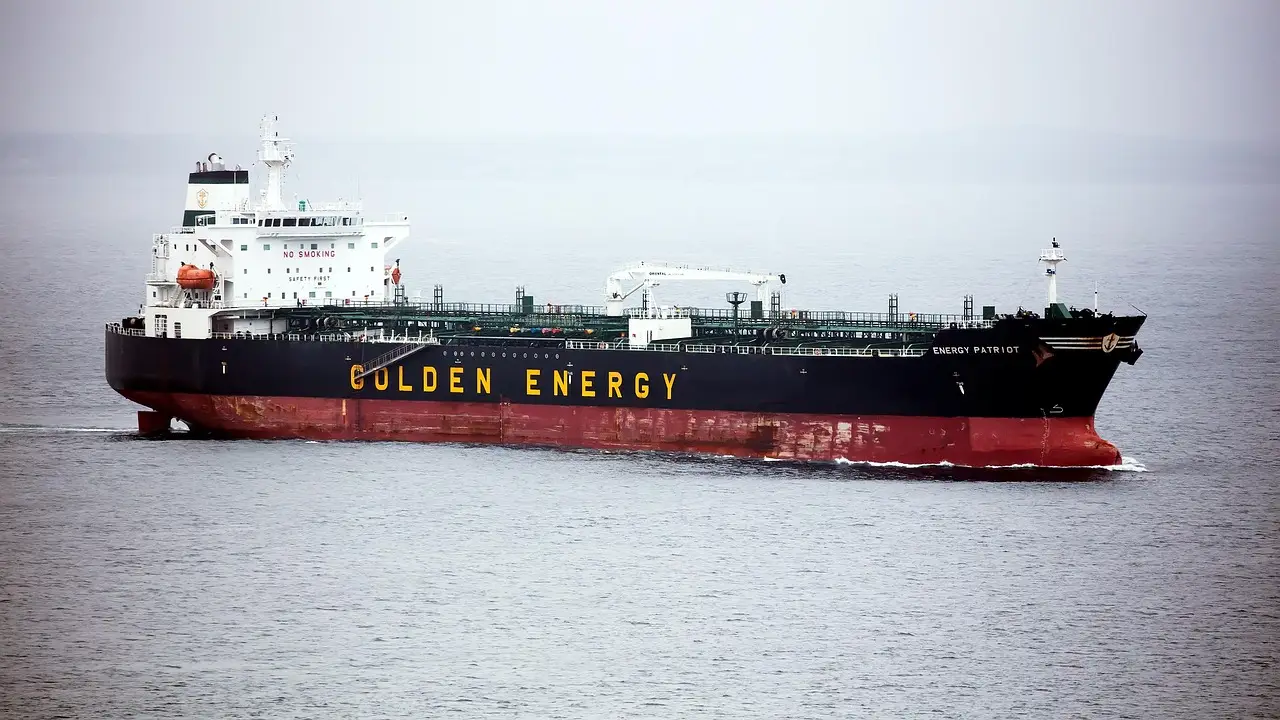
Brent crude futures traded near $96.04 per barrel in Friday morning trading, on track for a second consecutive weekly decline of roughly 2.3% to 2.4%. West Texas Intermediate hovered around $88.59. Both benchmarks fell steeply the prior week — 16% for Brent and 13% for WTI — as expectations of reduced U.S. military escalation against Iran eased concerns about Middle Eastern supply disruptions.
The shift followed comments from President Donald Trump indicating that Washington did not require a negotiated agreement with Iran to end the conflict. Market participants read the remarks as a signal that the United States will continue emphasizing its blockade of Iranian oil shipments and economic sanctions rather than immediately pursuing another round of direct military strikes.
The takeaway: part of the geopolitical premium built into crude prices has come out, but the underlying conflict remains unresolved.
What is still disrupting physical supply?
Security conditions in the Persian Gulf remain the central physical risk. Iran's military reported Thursday that four oil tankers were struck by explosions in the Strait of Hormuz after allegedly disregarding warnings. Those claims could not be independently verified.
Yemen's Iran-aligned Houthi movement also claimed attacks on:
- Saudi Arabia's East-West pipeline
- Infrastructure near the Red Sea port of Yanbu
- A Saudi Aramco building in Riyadh
Fighting involving the United States, Israel and Iran has disrupted regional energy markets for months, creating uncertainty around production, transportation and the availability of Middle Eastern crude. A reduction in expectations for military escalation does not eliminate transportation risks or supply constraints.
How are U.S. inventories pressuring prices?
U.S. stockpile data is reinforcing the downward move. The Energy Information Administration (EIA, the U.S. Energy Department's statistical arm) reported that commercial crude inventories increased by 4.7 million barrels to 414.4 million barrels during the week ended November 6. Analysts had expected a draw of approximately 1.1 million barrels — a swing of nearly 6 million barrels against consensus.
The build reflected stronger crude imports and softer refined product demand. The pattern suggests domestic consumption is not absorbing available supplies as quickly as anticipated.
The takeaway: fundamentals are now working against prices at the same time the fear premium deflates.
What does this mean for producers and midstream?
For U.S. exploration and production companies, the retreat in crude prices could influence near-term cash flow expectations, capital spending decisions and hedging strategies. Prices remain elevated by historical standards, but continued volatility complicates planning for operators weighing drilling programs against shareholder distributions.
Midstream operators and refiners face a separate set of variables. Changes in crude sourcing, transportation routes and product demand can affect pipeline utilization, refining margins and export opportunities — particularly when international supply disruptions create regional pricing differences.
For institutional investors, the market's response illustrates the need to separate geopolitical headlines from measurable changes in physical supply and demand.
The takeaway: capital plans and margin outlooks now hinge more on inventory data than on strike forecasts.
What is the watch item?
The near-term direction of crude prices depends on four variables:
- Developments in the Strait of Hormuz
- U.S. inventory trends
- Middle Eastern production levels
- Whether Washington's strategy produces a sustained reduction in regional hostilities
Until greater clarity emerges on those fronts, energy markets remain exposed to significant price swings in either direction. The next weekly EIA storage report, plus any verified tanker incident in Hormuz, will signal whether the premium stays out or returns.
via oilandgas360.com (Source)
More from Olivia Hart
Show full bio
Correspondent covering technology and product news in Oil and gas industry operations and markets at Rig & Refinery.
583 articles
Adjoining reports
- Brent Slips to $115/bbl on Iran Diplomacy; TTF Hits 22-Month High
- Brent set for 16% weekly decline as Iran diplomacy lifts hopes
- Brent Slips Below $112 as Hormuz Attacks Fail to Lift Oil Before Midterms
- Oil set for 2% weekly fall as tanker attacks sustain supply risk
- Brent Slides 1.7% to $90.99 as Trump Pauses New Iran Strikes