Well report No. RR-9253 · T3N · R24W · SEC 27 · filed November 16, 2026
Petroleum MarketsWell report
Brent Holds Near $96 as Unverified Hormuz Mine Reports Rattle Traders
Brent holds near $96 as unverified reports of tankers striking mines in the Strait of Hormuz offset an IEA forecast of a 1.7 million bpd Q4 surplus and weak Chinese refinery runs.
Field notes
- Brent traded at $95.89/bbl and WTI at $88.65/bbl at 07:57 GMT on 16 November.
- Iran's Revolutionary Guards reported two tankers struck mines; Reuters could not confirm.
- IEA forecasts a Q4 surplus of 1.7 mbbl/d with output averaging 105 mbbl/d.
- China's October refinery throughput fell 8.1% year-on-year.
- IEA sees 71 mbbl of emergency reserves released, including 15 mbbl of diesel, by end-February.
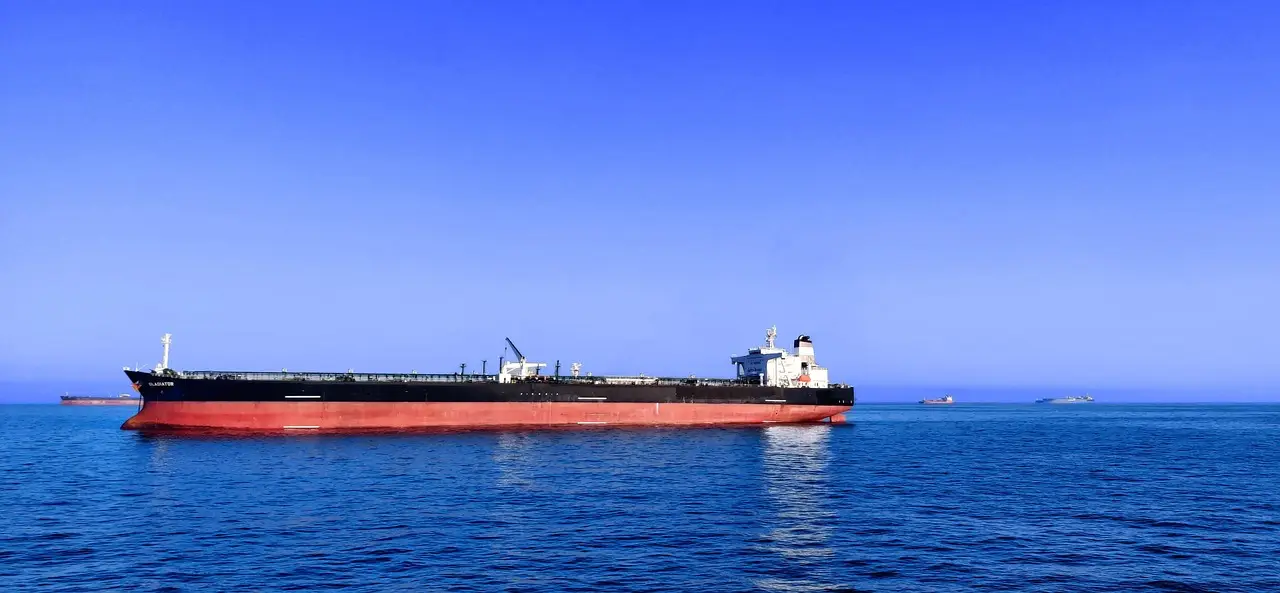
Brent crude traded at $95.89 a barrel at 07:57 GMT on Monday, 16 November, up five cents, after unverified reports that tankers struck mines in the Strait of Hormuz. West Texas Intermediate gained nine cents to $88.65. Both moves are rounding errors. They tell you the market is nervous, not certain.
What happened in the Strait?
Iran's Revolutionary Guards said two oil tankers hit mines in the Strait of Hormuz, according to Iranian reports carried by Reuters. The guards also claimed six tankers caught fire in similar incidents over Sunday and Monday. Reuters said it could not independently confirm the reports. That caveat matters. Mine claims and tanker fires are exactly the kind of story that gets inflated in wartime information flows.
Earlier in Asian trading, both benchmarks had actually fallen, with Brent dropping as much as 1%. The session's turn higher came only after the Hormuz reports circulated. One long sentence worth holding: the strait, through which roughly a fifth of the world's oil passes, is now the single swing variable in a market that fundamentals alone say should be softer.
Takeaway: the rally rests on claims nobody has verified.
Has Hormuz traffic recovered?
Yes, largely. Oil shipments through the Strait of Hormuz have mostly returned to levels seen before the conflict between the US, Israel and Iran, now in its ninth month. That recovery has not translated into cheaper freight. Tanker rates remain elevated because of continued disruption risk and a smaller fleet available for offshore transfers. Owners are charging for risk, not for lost volume.
Takeaway: cargoes are moving, but insurance and rates say the market still prices danger.
What did Friday's selloff and the IEA say?
On Friday, oil prices fell as traders weighed signs of easing geopolitical tension. The week before, Brent dropped 16% and WTI fell 13%. That slide set the stage for Monday's jittery bounce.
The International Energy Agency updated its outlook last week and flipped its call. It now forecasts the global oil market moving into surplus in the fourth quarter, with output averaging 105 million barrels per day (mbbl/d), outpacing demand by 1.7 mbbl/d. The agency had previously expected a supply deficit for the period. The IEA also said 71 mbbl from emergency reserves, including 15 mbbl of diesel, would be released by the end of February.
The agency sees global demand falling to 102.3 mbbl/d in 2026 before rebounding the following year, and projects supply reaching 108.1 mbbl/d in 2027. It has revised its supply growth forecast downward, partly on lower expectations for Iranian output. Note what is bundled there: a surplus call plus a downgrade on Iran. If Iranian barrels vanish faster than expected, the surplus narrows.
Takeaway: the IEA has joined the bear camp, with one Iran-shaped asterisk.
Why is China's refinery data dragging?
China's National Bureau of Statistics reported October refinery throughput down 2% month-on-month and 8.1% year-on-year. Reuters calculations suggest that implies an inventory build of 492,000 barrels per day (bpd). Weak Chinese runs are the demand-side anchor pulling against the Hormuz risk premium. An 8.1% annual drop in throughput at the world's largest crude importer is not noise; it is a structural drag on balances.
Takeaway: Asia's biggest refiner is processing less, and the surplus call gets stronger for it.
Watch item
The variable to track is verified Hormuz traffic and independent confirmation — or debunking — of the mine reports. Tanker rates, the IEA's Q4 surplus materialising, and emergency reserve drawdowns through February will set the floor. Fundamentals say lower prices. The strait has not signed off on that yet.
via reuters.com (Original)
More from Priya Raman
Show full bio
Senior reporter covering technology and product news in Oil and gas industry operations and markets at Rig & Refinery.
633 articles
Adjoining reports
- Six Tankers Struck by Mines in Hormuz; Brent Holds Mid-90s as Q4 Surplus Caps Rally
- Brent Slides Toward Second Weekly Loss as Iran Escalation Premium Unwinds
- Brent Near $118 as Markets Brace for US-Iran Clash and Volatile Week
- Brent Slips Below $112 as Hormuz Attacks Fail to Lift Oil Before Midterms
- Brent Holds Above $100 as Hormuz Tanker Traffic Sinks to Two-Month Low