Well report No. RR-8617 · T3N · R3W · SEC 3 · filed November 8, 2026
Petroleum MarketsWell report
Brent Set for 12% Weekly Drop Despite Hormuz Tanker Attacks
By Priya Raman
Brent’s January futures contract was heading for a 12% weekly loss even after it rose $1.29, or 1.31%, to $99.58 a barrel at 0504 GMT Friday. A futures contract sets a price for later delivery. US West Texas Intermediate futures, known as WTI, added 86 cents, or 0.95%, to $91.38. Both contracts gained for a second day.
Brent briefly breached $100 a barrel during morning trading. Friday’s gain did not change the larger weekly move. Brent was set to lose 12%; WTI was set to lose 12.1%. The report followed the October 30 expiry of Brent’s December contract, with the January contract quoted afterward, but did not isolate the expiry’s effect on the weekly comparison.
Tim Waterer, chief analyst at KCM, called Friday’s rise a “technical recovery,” meaning a price rebound rather than a resolved supply risk. He said the underlying driver was recognition that the conflict had not disappeared. He also said attacks in the Strait were unaffected by the Democratic win.
Waterer set a condition for his market view. He said: “Until there is a credible path to safer, cheaper transit through the Gulf, oil is likely to remain supported on dips and prone to sharp moves on any escalation headlines.”
His conclusion was conditional, not a forecast of a guaranteed floor. The source supplied no transit-cost series or shipping-flow evidence that would establish safer, cheaper passage.
Takeaway: Friday’s rise reflected continuing risk, not proven improvement in Gulf shipping.
What changed the week’s price direction?
The market’s initial move followed Tuesday’s US midterm elections. Democrats won control of the Senate and House after losses for President Donald Trump’s Republicans. Expectations rose that the result could lead to de-escalation, meaning less fighting, in the US-Israeli war against Iran, which the report described as being in its ninth month.
Oil prices fell 8% Wednesday alone after the Democrats swept the elections. They settled at two-month lows. The source framed the selloff as a political expectation rather than a completed reduction in hostilities. It identified no negotiated de-escalation or measured supply benefit.
Takeaway: The weekly loss followed election expectations, not a settled change in regional supply.
What revived the supply risk?
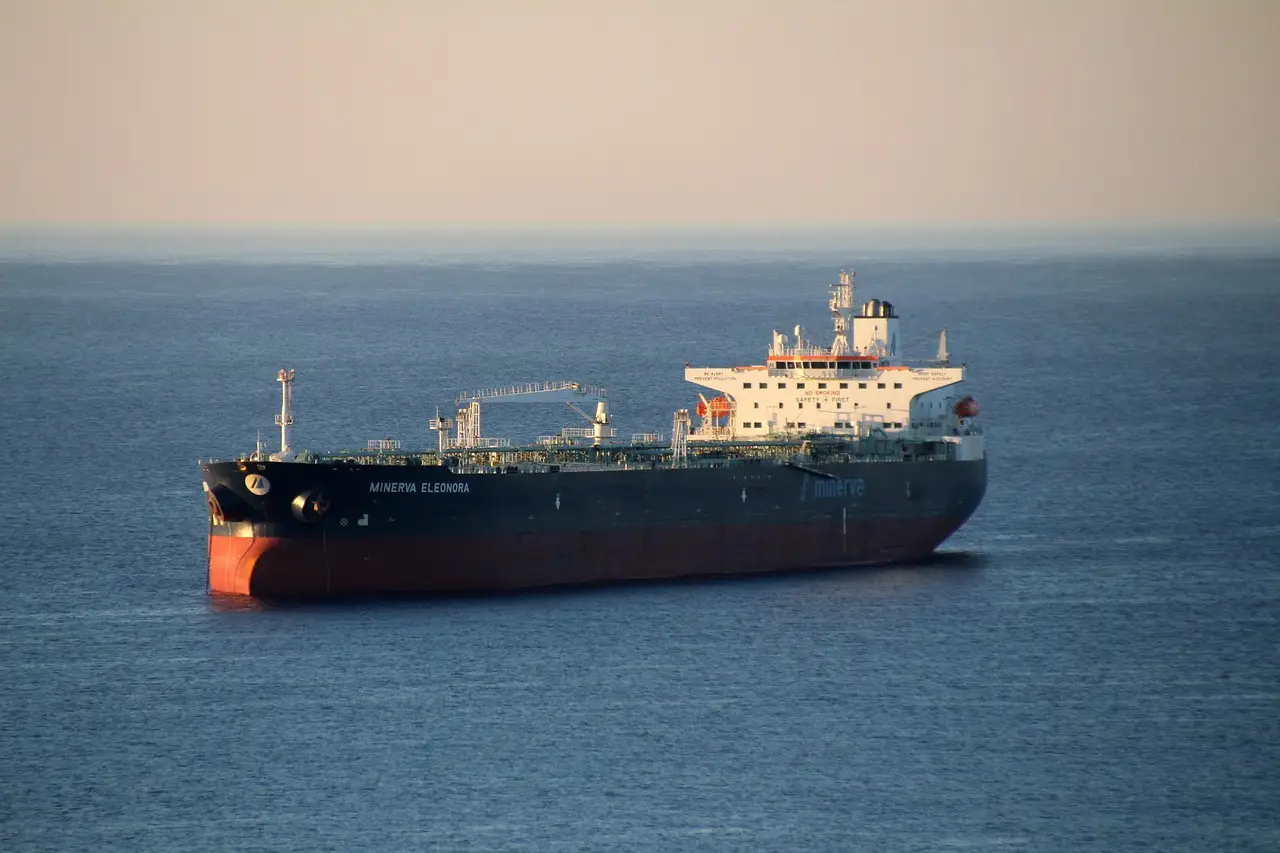
Crude rebounded after tanker attacks in the Gulf and the Strait of Hormuz on Wednesday and Thursday. The Strait serves as the crucial sea outlet for a majority of Middle Eastern oil shipments, making each attack relevant to expectations for regional flows.
Iran said Thursday that three more tankers had been attacked in the Strait. Data from Britain’s maritime security agency, UKMTO, suggested that attacks on oil-carrying ships were still running at close to record pace.
The report did not quantify barrels affected, production shut in, or transit stopped. It also gave no confirmed duration for the attacks. The available evidence supported renewed concern about supply rather than a measured physical shortage.
Takeaway: Tanker attacks revived supply concerns, but the report measured no physical supply loss.
What should traders watch next?
Three tests will determine whether Friday’s recovery holds.
- Transit data: Actual vessel movements and any sustained disruption through Hormuz.
- Security reports: Further attacks and verified effects on oil shipments.
- Political follow-through: A concrete reduction in conflict risk, rather
via oedigital.com (Source)
More from Priya Raman
Show full bio
Senior reporter covering technology and product news in Oil and gas industry operations and markets at Rig & Refinery.
594 articles
Adjoining reports
- Oil Falls as Brent Reaches $90.42 and WTI Drops Below $85
- Brent Back Above $104 as Midterms Clear and Hormuz Risk Stays Priced In
- Brent Slides 1.7% to $90.99 as Trump Pauses New Iran Strikes
- Brent Slips Below $112 as Hormuz Attacks Fail to Lift Oil Before Midterms
- Brent set for 16% weekly decline as Iran diplomacy lifts hopes