Well report No. RR-5522 · T22N · R26W · SEC 10 · filed October 19, 2026
Gas & LNGWell report
Canada's First Major LNG Terminal Eyes Capacity Doubling
Canada's first major LNG export terminal plans to double capacity, The Messenger reports. The expansion remains a plan, not a sanctioned project, with no cost or timeline disclosed.
Field notes
- Canada's first major LNG export terminal plans to double its capacity.
- The doubling is a stated plan; no FID, cost or timeline was disclosed.
- The terminal anchors Canada's entry into the seaborne LNG market.
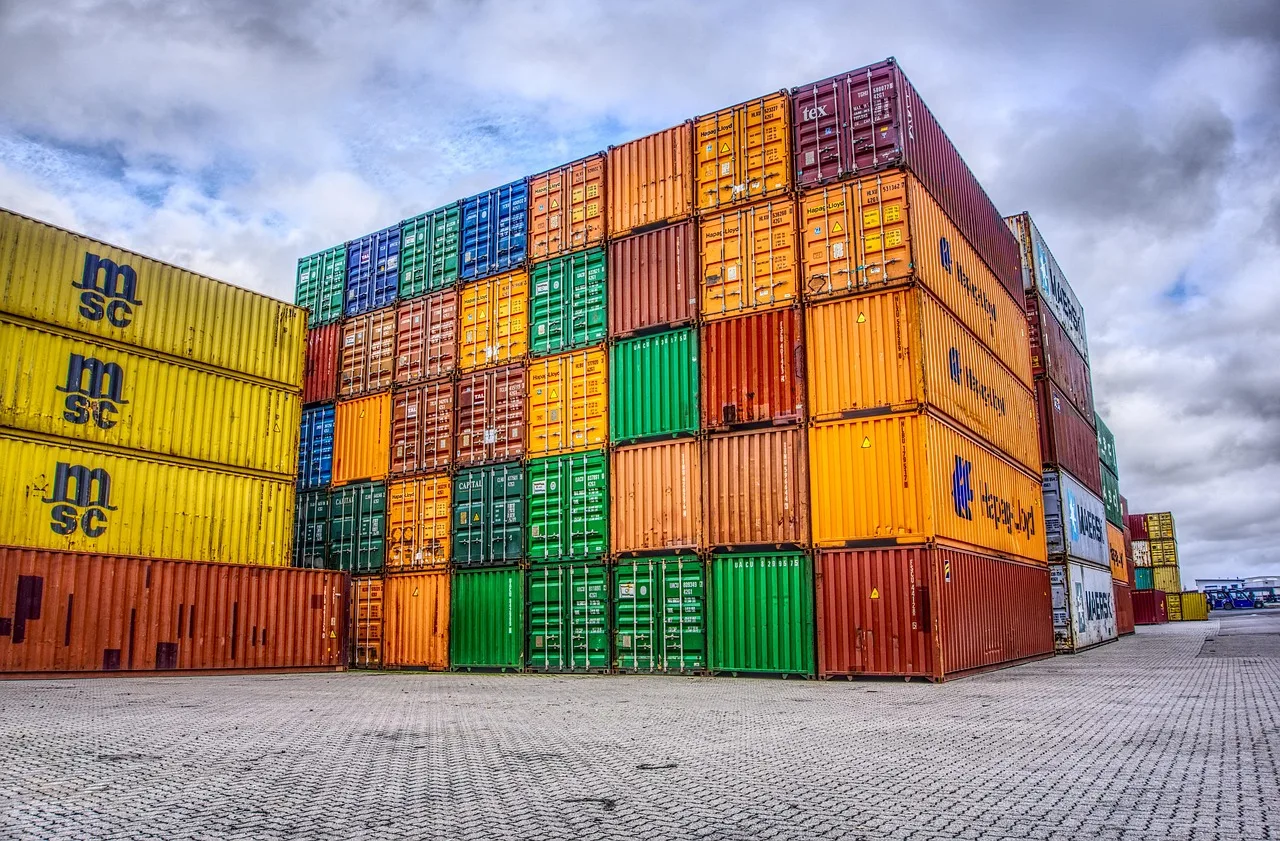
Canada's first major liquefied natural gas export terminal is planning to double its capacity, The Messenger reports, a move that would materially lift the country's presence in the global LNG trade if sanctioned.
The reported expansion plan centers on the facility that anchors Canada's entry into the seaborne gas market. A doubling of nameplate liquefaction capacity (the maximum volume of gas a plant can chill into LNG for export) would represent one of the largest downstream-adjacent investment decisions now under study on the Pacific coast of North America.
What is on the table?
The plan, as reported, calls for adding capacity equal to the existing plant's output. That would take the terminal from its current sanctioned size to roughly twice that throughput, pending a final investment decision (FID — the board-level commitment that converts a studied project into a funded one).
Key points from the report:
- The terminal is Canada's first major LNG export facility.
- The operator plans to double its capacity.
- The proposal remains a plan rather than a sanctioned expansion, per the report.
No construction timeline, cost estimate or FID date accompanied the report. Readers should treat the doubling as a stated intention, not a committed project, until the operator files figures with regulators or confirms the decision itself.
Why the size matters
Capacity numbers drive everything in LNG economics: vessel loading schedules, pipeline feedgas nominations, and the revenue base that supports tolling agreements (contracts under which shippers pay to move their gas through the plant). A second phase of equal size would double feedgas demand into the terminal, with knock-on effects for Western Canadian gas producers and takeaway pipelines serving the coast.
For British Columbia's emerging export hub, a doubled terminal would place the site among the larger LNG facilities on the Pacific basin's eastern rim, competing for the same Asian demand that Gulf Coast and Qatari projects target.
In plain words: the operator is signaling that one terminal is not the ceiling for Canadian LNG.
Sanctioned versus planned
The distinction matters for anyone modeling Canadian gas balances. The existing terminal is built and operating as the country's first major export platform. The doubling, by contrast, sits in the planning stage described in the report, without disclosed capital cost, contractor scope or regulatory filing detail.
Trade practice is to separate the two. The first phase is a physical asset with measurable output. The second phase is an option the operator may exercise, subject to engineering, permitting and market conditions.
The report did not attribute the plan to a named executive, nor did it include direct quotations. Any quotation, cost figure or startup date for the expansion should await confirmation from the operator or from the BC Energy Regulator.
In plain words: the plant exists; the doubling is a plan on paper.
The watch items
Three markers will confirm whether the doubling advances:
- An FID announcement with capital cost attached.
- Regulatory filings with the province for additional liquefaction trains (the processing units that convert gas to LNG).
- Contracted capacity commitments from buyers, which typically precede sanction.
Until then, the market should price Canada's LNG outlook on the operating terminal alone. The expansion is the story to watch, not the story to book.
via Google News: LNG export terminals (Source)
More from Olivia Hart
Show full bio
Correspondent covering technology and product news in Oil and gas industry operations and markets at Rig & Refinery.
539 articles
Adjoining reports
- LNG Canada Eyes Doubling of Capacity at Kitimat Export Terminal
- LNG Canada Weighs Doubling Capacity at British Columbia Terminal
- Canada's First Major LNG Terminal Aims to Double Capacity
- Canada's First Major LNG Export Terminal Eyes Capacity Doubling
- LNG Canada Plans to Double Output at British Columbia Terminal