Well report No. RR-4490 · T8N · R13W · SEC 20 · filed November 4, 2026
Petroleum MarketsWell report
EIA Data: US Crude Stocks Fall 900,000 bbl; Distillates Drop 3.6 Million
US crude stocks fell 900,000 bbl to 409.8 million bbl for the week ended Oct. 30, EIA data show, with distillates down 3.6 million bbl and 13% below the five-year average as refineries ran at 94.5%.
Field notes
- US crude inventories fell 900,000 bbl to 409.8 million bbl for the week ended Oct. 30, 4% below the five-year average.
- Distillate stocks dropped 3.6 million bbl and stand 13% below the five-year average.
- Refinery inputs averaged 16.7 million b/d, up 199,000 b/d, at 94.5% of capacity.
- Four-week total product supplied averaged 21.2 million b/d, up 4.2% year over year.
- Total commercial petroleum inventories decreased 8.2 million bbl for the week.
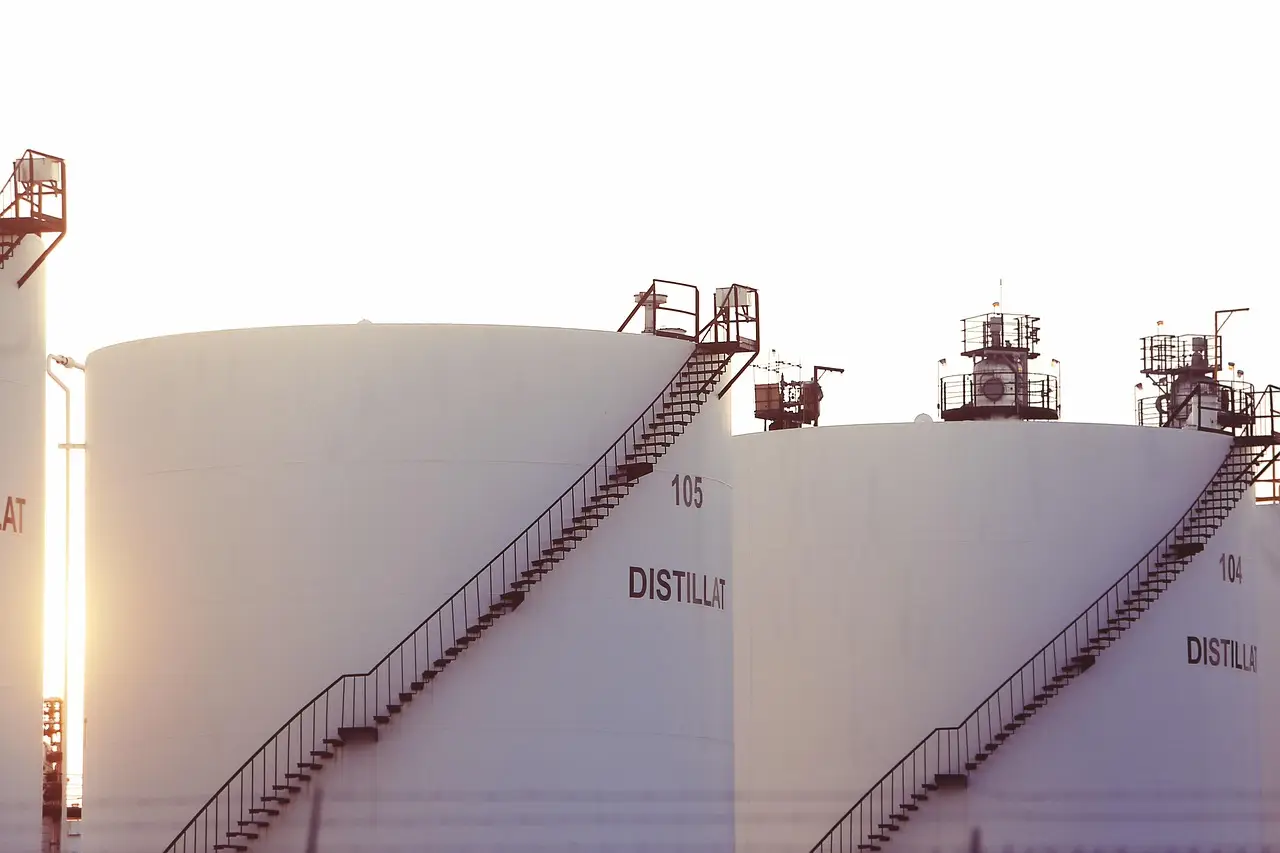
US crude oil inventories fell 900,000 bbl for the week ended Oct. 30, the US Energy Information Administration reported, leaving commercial stocks at 409.8 million bbl excluding the Strategic Petroleum Reserve (the federal emergency stockpile held separately from commercial storage). The draw puts crude stocks 4% below the five-year average for this time of year, according to the EIA's weekly petroleum status report.
The headline crude number understated the week's broader tightening. Total commercial petroleum inventories dropped 8.2 million bbl across all products, with distillates accounting for the largest single slice of that decline. In short, the market drew harder on refined products than on crude itself.
How far did refined product stocks fall?
Distillate inventories (diesel and heating oil) posted the week's sharpest move, falling 3.6 million bbl to stand 13% below the five-year average. That deficit is the largest percentage gap among the major product categories in the report.
Gasoline inventories decreased 200,000 bbl, a more modest draw that left motor gasoline stocks 2% below the five-year average. Propane-propylene inventories declined 1.6 million bbl, but remain 10% above the five-year average, the only major category in surplus. The takeaway: distillate is the tight barrel in the US system right now, and the 13% deficit will anchor heating-season price attention.
What drove the draws?
Refinery crude inputs averaged 16.7 million b/d for the week ended Oct. 30, an increase of 199,000 b/d from the previous week's average. Refineries operated at 94.5% of capacity, a high utilization rate for late October that indicates strong run economics and sustained product demand.
Production data reflected the run levels. Gasoline output averaged 9.7 million b/d, while distillate production decreased to 5.2 million b/d. Even at that output level, distillate demand outpaced refinery supply, which explains the outsized inventory draw against a backdrop of near-maximum utilization.
What did trade and demand show?
Crude oil imports decreased 1,000 b/d to 6.4 million b/d. The four-week average of 6.1 million b/d sits 9.5% above the year-ago level, indicating a sustained pull on foreign barrels. Gasoline imports averaged 351,000 b/d for the week; distillate imports averaged 117,000 b/d.
Demand-side indicators, measured as product supplied (a proxy for consumption calculated from refinery production, imports and inventory changes), strengthened year over year. Over the past four weeks:
- Total product supplied averaged 21.2 million b/d, up 4.2% year over year.
- Gasoline product supplied averaged 8.6 million b/d, down 0.4% year over year.
- Distillate product supplied averaged 4.2 million b/d, up 8.7% year over year.
- Jet fuel product supplied decreased 2.8% year over year.
The distillate demand figure is the standout. An 8.7% year-over-year increase in distillate product supplied, combined with the 13% inventory deficit, points to a structurally tight middle-of-the-barrel market heading into the Northern Hemisphere winter.
What to watch
The watch item is the next several weekly EIA reports, which will show whether refiners running at 94.5% of capacity can rebuild distillate stocks before heating demand peaks; a continued 3-million-bbl-plus weekly draw would tighten diesel supply further and pressure margins (the spread between crude and product prices).
via Oil & Gas Journal (Source)
More from Olivia Hart
Show full bio
Correspondent covering technology and product news in Oil and gas industry operations and markets at Rig & Refinery.
579 articles
Adjoining reports
- EIA: US Crude Stocks Build 3 Million bbl, Refinery Runs Slip
- EIA: US Crude Stocks Slip 600,000 bbl; Refinery Runs Near 97%
- US crude stocks fall 1.9 million bbl as refinery runs slip
- US Crude Stocks Rise 900,000 bbl as Refinery Runs Slip to 16.3 Million b/d
- EIA Reports 8.6 Million bbl Weekly Draw in US Crude Inventories