Well report No. RR-1059 · T19N · R15W · SEC 31 · filed November 13, 2026
Petroleum MarketsWell report
Houthi Claims Against Aramco Assets Put Gulf De-escalation Talks in Focus
Houthis claim attacks on Saudi energy and military sites as Trump pauses further Iran strikes at Gulf allies' request and Riyadh engages Beijing's envoy, Zhai Jun, on de-escalation.
Field notes
- Houthis claimed attacks on Saudi energy and military infrastructure, reported 13 November 2026
- Trump said he paused further strikes on Iran at Gulf allies' request, hours after threatening new strikes
- Saudi FM Faisal bin Farhan discussed Houthi attacks with Chinese Middle East envoy Zhai Jun
- No damage assessment or volume impact on Saudi energy facilities has been confirmed
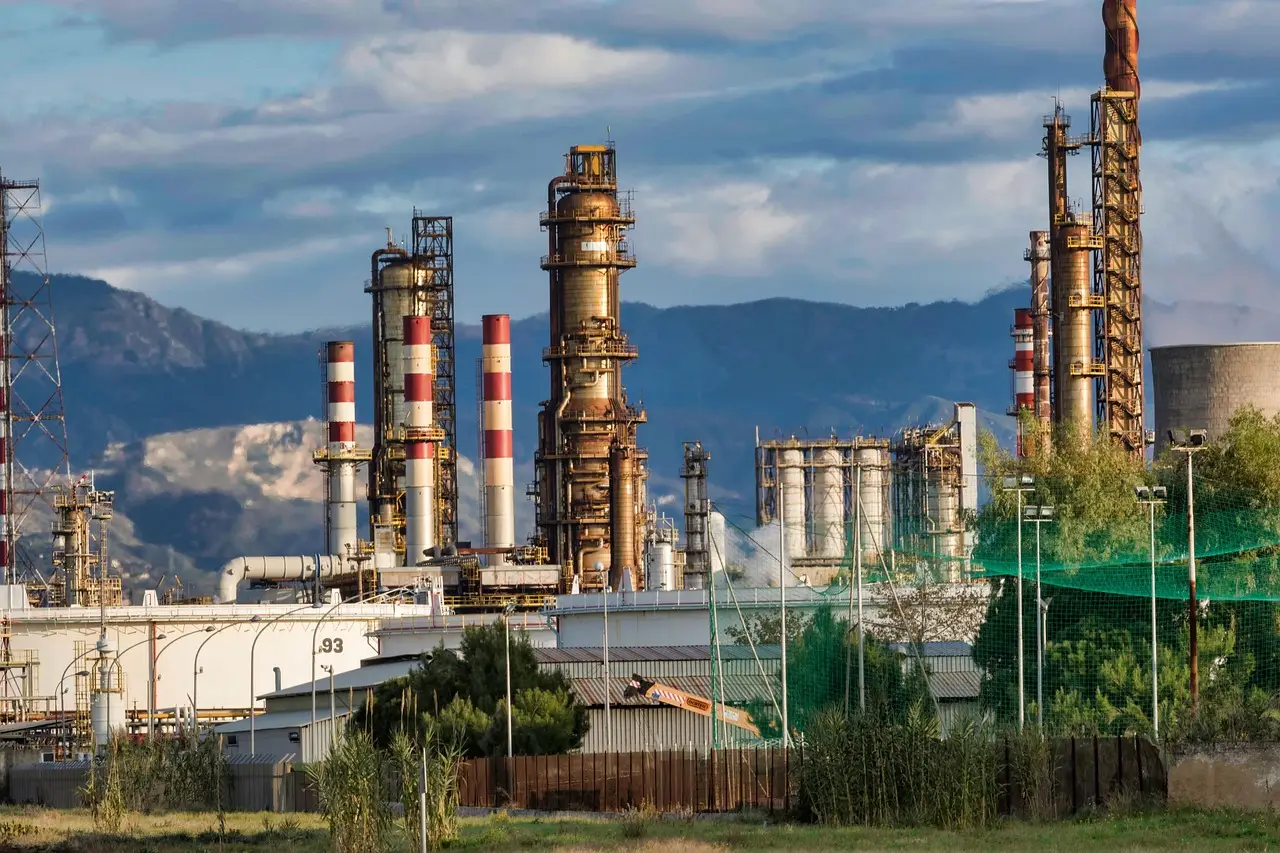
Yemen's Houthis have claimed attacks on Saudi energy and military infrastructure, including Aramco-linked sites, prompting Riyadh to open parallel diplomatic channels with Washington and Beijing before the claims escalate into a supply disruption.
The claims landed on 13 November 2026, hours after US President Donald Trump told reporters at the White House that Gulf countries had asked him to hold off on further strikes against Iran — and that he had agreed to pause. The statement reversed, within a single news cycle, his earlier position that he would not hesitate to launch new military strikes against Tehran.
What did Trump actually announce?
Speaking at the White House, Trump said Gulf allies urged a pause in strikes on Iran and that he held off on additional attacks at their request. The president framed the decision as a response to allied pressure rather than a change in his posture toward Tehran, having said only hours before that new strikes remained on the table.
For operators and traders watching Gulf loading schedules, the significance is the pause itself, not the rhetoric around it. A suspension of US strikes against Iran lowers — for now — the probability of a forced shutdown or interference in Strait of Hormuz traffic, the chokepoint that carries roughly a fifth of globally traded crude.
The takeaway: the strike pipeline is paused, not closed, and the pause rests on allied diplomacy that could shift with the next Houthi claim.
Why are the Houthi claims the trigger?
The Houthis said they attacked Saudi energy and military infrastructure. The group did not, in the material available, specify facilities, volumes, or damage assessments, and Saudi authorities had not confirmed operational impact at the time of reporting. Claims of this kind from the group have historically ranged from intercepted drones to strikes on pumping stations and export terminals.
The target set matters for the market. Saudi Arabia exports the bulk of its crude through Gulf terminals served by Aramco infrastructure, and any confirmed hit on gathering lines, pumping stations or loading berths would register immediately in freight rates and crude differentials. Until Saudi Arabia confirms damage, the claims remain exactly that — claims — and price reaction should be read as risk premium, not lost barrels.
The takeaway: no volumes are confirmed offline, and the operational picture depends on what Riyadh verifies next.
What is Riyadh doing about it?
Saudi Foreign Minister Faisal bin Farhan Al Saud discussed the Houthi attacks and regional de-escalation efforts with Zhai Jun, China's special envoy for the Middle East. The conversation gives Beijing — the largest single buyer of Saudi and Iranian crude — a direct seat in the Gulf security discussion, at the moment when Houthi activity threatens the export complex that supplies Chinese refineries.
The channel matters for practitioners for a simple reason: de-escalation diplomacy between the kingdom and its largest customer shortens the odds that incidents stay contained below the threshold of retaliation. The alternative — a strike-for-claim cycle involving Iran, the Houthis and US forces — is the scenario that keeps war-risk premiums embedded in Gulf freight and crude pricing.
The takeaway: Riyadh is working the political track on two fronts at once, with Washington pausing and Beijing mediating.
What should the desk watch now?
Three items will determine whether this stays a political story or becomes an operational one.
- Saudi confirmation or denial of damage to the claimed energy targets — the difference between a headline and a force majeure.
- Aramco or ministry statements on any effect on production, loading schedules or the East-West pipeline.
- Durability of the US pause, which Trump tied to allied requests rather than a negotiated framework with Tehran; a single confirmed strike on Gulf infrastructure could collapse it.
Watch item: the next verified damage report from the claimed Aramco attacks — that, not the diplomacy, decides whether cargoes move or wait.
via aljazeera.com (Source)
More from James Calloway
Show full bio
Staff writer covering people, launches and day-to-day practice in Oil and gas industry operations and markets at Rig & Refinery.
615 articles
Adjoining reports
- Iran, Israel report strike halt; Strait of Hormuz remains watch item
- Houthi Airport Strikes Put Oil Market, Trump Policy Back in Focus
- Brent Holds Above $107 as US-Iran Talks Stall Over Hormuz
- Brent Slides Toward $92 as Iran Risk Premium Deflates
- Brent Slips to $115/bbl on Iran Diplomacy; TTF Hits 22-Month High