Well report No. RR-2939 · T17N · R45W · SEC 17 · filed November 13, 2026
Petroleum MarketsWell report
State Department Report Tallies $12.26bn in Venezuela Oil Revenue Flows
A State Department report tallies $12.26bn collected from Venezuelan oil, gold and mineral sales through a US Treasury-controlled account, with $12bn disbursed by September 30.
Field notes
- $12.26bn collected from Venezuelan oil, gold, minerals and fertiliser sales between January 3 and September 30, 2026
- About 99 percent of Treasury-controlled account funds relate to oil purchases from roughly 20 redacted depositors
- $12bn disbursed by September 30, with $169m remaining; $9.4bn to legal entities and $2.9bn to individuals
- KPMG contracted to audit the transactions; report released Thursday runs 53 pages and is heavily redacted
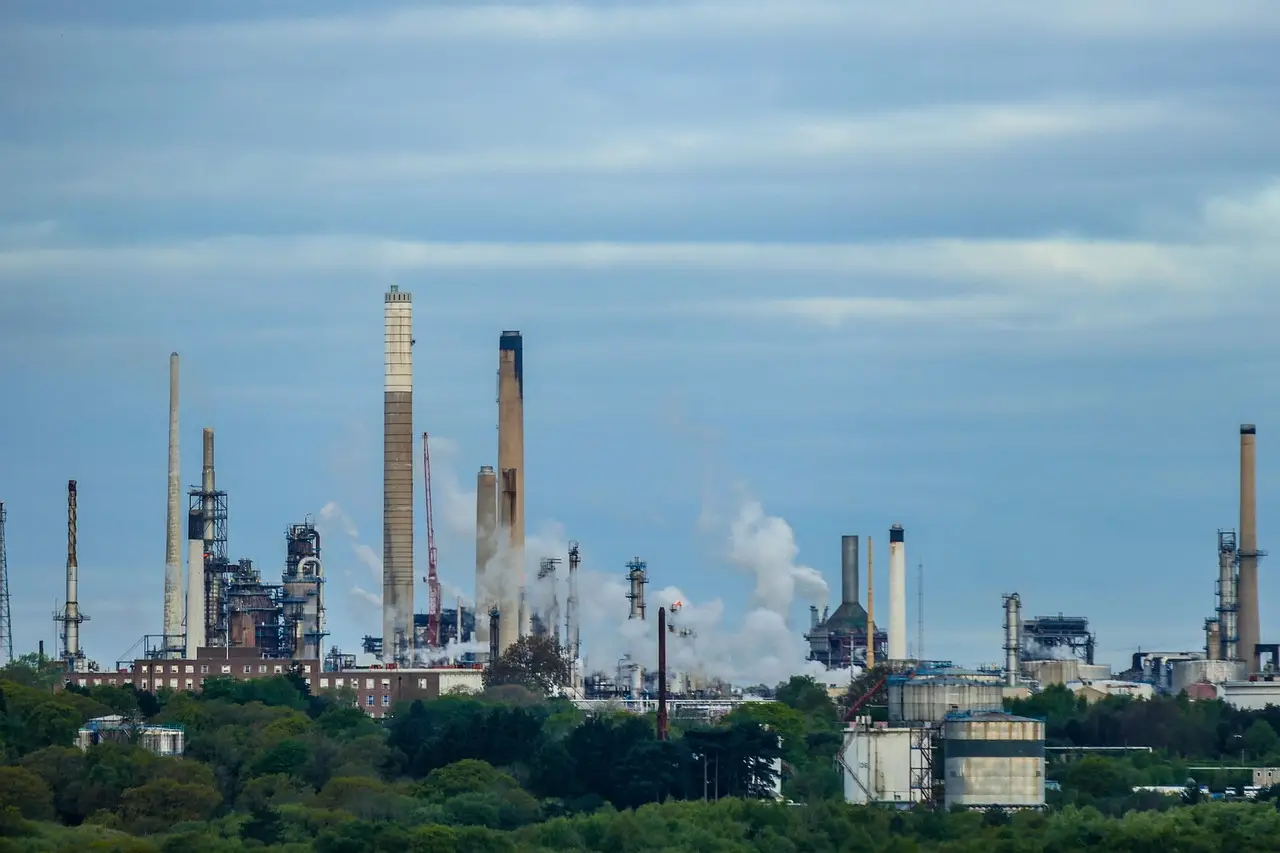
The US Department of State collected $12.26bn from Venezuelan oil and mineral transactions between January 3 and September 30, 2026, according to a 53-page report released Thursday. The disclosure covers flows through US-controlled accounts established after the January raid that removed Venezuelan leader Nicolas Maduro from power.
The report, which the State Department says is intended to "promote transparency and accountability in the management of these funds", details a structure in which Washington takes a direct stake in profits from Venezuelan crude, gold, minerals and fertiliser sales. KPMG, a private auditing firm based in Washington, DC, has been contracted to examine the transactions.
Where did the money come from?
Approximately 99 percent of the funds in the current account relate to oil purchases. The Treasury-controlled account, which replaced an initial Qatar National Bank facility, has received more than $12bn from roughly 20 depositors. Their identities are redacted in the report.
The accounting structure evolved in two stages:
- January 2026: An account at Qatar National Bank took in approximately $500m from entities seeking to buy authorised oil and minerals. Nearly all of it was distributed to Venezuelan entities by late January.
- From late January: A dedicated US Department of the Treasury account took over all subsequent transactions.
President Donald Trump issued an executive order in January establishing the special bank accounts, with revenue earmarked for eventual distribution back to Venezuela in a controlled manner.
Where did the money go?
More than $12bn had been disbursed as of September 30, leaving about $169m in the account. By end-September, nearly all distributed funds had gone to a set of Venezuelan banks for foreign exchange interventions (transactions where banks sell dollars to absorb local currency and support the bolivar's value).
The report breaks down final recipients only in aggregate:
- Approximately $9.4bn went to "legal entities".
- Approximately $2.9bn went to "individuals".
The document is heavily redacted. It does not identify the final recipients of the more than $12bn distributed inside Venezuela.
The money is the fiscal residue of a direct political intervention. US forces raided Caracas in January, capturing Maduro and his wife; both now face drug trafficking and torture charges in New York City.
Who controls Venezuelan barrels now?
Since removing Maduro, the Trump administration has sought direct control over who buys Venezuelan natural resources and who profits from those sales. Delcy Rodriguez, Venezuela's then-vice president, assumed leadership and has since concluded agreements with Washington covering the US stake in export revenue.
Trump has made Venezuela a central element of his political narrative, citing expected revenue from the country's oil sales during campaigning ahead of this month's midterm elections. Venezuelan rights activists have expressed concern that Washington may weight oil revenues heavily and show little interest in backing democratic reforms following Maduro's removal.
In plain terms: Washington now sits at the centre of Venezuela's hydrocarbon revenue chain, from authorised buyer to final bolivar distribution, and the Thursday report is its first comprehensive accounting of the flows.
What happens next?
The watch items are the KPMG audit findings, future disbursement tranches from the remaining balance, and any unredacted disclosure of the roughly 20 depositors still buying Venezuelan crude under US authorisation. Revenue transparency is now the administration's stated benchmark; whether the audit substantiates the $12bn distribution chain will determine the credibility of that claim.
via aljazeera.com (Source)
More from Olivia Hart
Show full bio
Correspondent covering technology and product news in Oil and gas industry operations and markets at Rig & Refinery.
587 articles
Adjoining reports
- Venezuela's 105-Contract Push: Tiered Fiscal Rates Versus Legal Risk
- ExxonMobil Signs Nonbinding MOU With PDVSA, Eyes Venezuela Return
- US-Venezuela Oil Deal Puts 65 Billion bbl in Play — For Now
- US clears new Venezuela drilling permits under Trump
- Venezuela Revival Would Need Over $100 Billion, Analysis Finds