Well report No. RR-1257 · T21N · R37W · SEC 21 · filed November 2, 2026
Petroleum MarketsWell report
Brent Falls 7% to $105.60 as Washington and Tehran Open Diplomatic Track
Brent fell $7.85 to $105.60, nearly 7%, as Washington and Tehran signaled openness to diplomacy. Goldman Sachs puts the geopolitical risk premium near $27/bbl ahead of the U.S. midterms.
Field notes
- Brent fell $7.85 to $105.60/bbl on Monday, nearly 7%; WTI dropped $7.20 to $96.92.
- Goldman Sachs estimates a geopolitical risk premium of about $27/bbl and raised its December Brent forecast to $105 from $90.
- Iranian FM Araghchi said a Qatar-mediated proposal could reopen the Strait of Hormuz within two days if U.S. conditions are met.
- Seven OPEC+ producers, including Saudi Arabia and Russia, agreed Sunday to keep December output targets unchanged.
- UKMTO reported a projectile hit a vessel in the Strait of Hormuz on Sunday; Brent touched $117-118 in October.
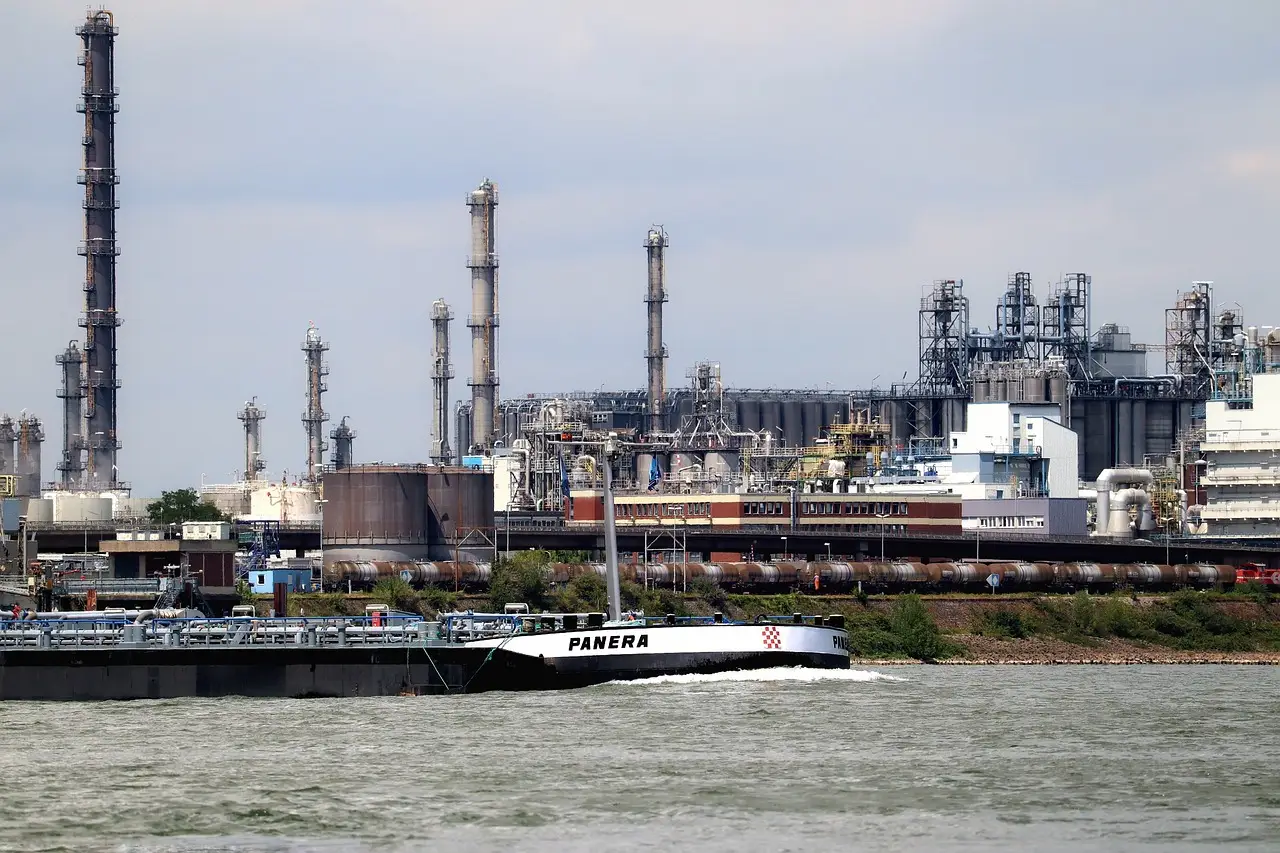
Brent crude fell $7.85 to $105.60 per barrel on Monday, a drop of nearly 7%, after Washington and Tehran both signaled willingness to pursue diplomacy and part of the October war premium unwound. WTI (the U.S. benchmark contract) declined $7.20 to $96.92.
The sell-off reversed a portion of a rally that had carried Brent to $118 earlier in October. Traders had positioned for a fresh escalation after Tuesday's U.S. midterm elections.
What did Iranian officials say?
Iranian President Masoud Pezeshkian said Monday that Supreme Leader Ayatollah Ali Khamenei has granted the government "certain authorities" over peace talks, state media reported. Pezeshkian said Tehran "will try to resolve the problem with dialogue."
Foreign Minister Abbas Araghchi said negotiators in Qatar are drafting a proposal that could reopen the Strait of Hormuz (the chokepoint carrying roughly a fifth of global seaborne crude) in as little as two days, if Washington meets a set of conditions. Iran's demands include:
- an end to the U.S. naval blockade of Iranian ports
- the lifting of oil sanctions
- a halt to fighting on all regional fronts
Araghchi confirmed Tehran is not holding direct talks with the United States. Takeaway: Iran has opened a channel, but through intermediaries in Qatar, not face-to-face negotiation.
Where does Washington stand?
Secretary of State Marco Rubio said Saturday that no decision has been made on new strikes and that President Donald Trump prefers a diplomatic resolution. Trump said he wants to give the talks more time.
Israeli Prime Minister Benjamin Netanyahu urged Trump in a Saturday call to resume strikes immediately after Tuesday's midterm elections. Asked whether he would return to military action this week, Trump replied: "Let's say I did. Would I tell you?"
The answer left the timeline deliberately ambiguous. Watch the post-election window for a decision on renewed strikes.
How large is the risk premium?
Goldman Sachs estimates a geopolitical risk premium of about $27 per barrel accounts for most of the October rally. The bank raised its December Brent forecast to $105 per barrel, from $90 previously, and now expects Brent to average $88 in 2027, up from an earlier $80 projection.
Goldman's Daan Struyven said the premium would come off quickly only with "a diplomatic solution that market participants see as sustainable."
Other bank forecasts diverge modestly:
- ANZ sees Brent ending 2026 at $105
- UBS sees Brent ending 2026 at $110
Takeaway: analysts still price a substantial premium into year-end contracts, because a durable settlement remains unproven.
What is happening in the Strait of Hormuz?
The UK Maritime Trade Operations centre reported a projectile hit a vessel in the Strait of Hormuz on Sunday. The incident came days after a tanker fire in the strait pushed Brent to $117 per barrel.
Yemen's Houthi movement claimed fresh strikes last week on Saudi Arabia's Ras Tanura and Rabigh refineries and on an Aramco facility at Abqaiq (the kingdom's largest crude processing complex). Riyadh has not confirmed the attacks.
Physical risk in and around the waterway has not paused for the diplomacy. Watch UKMTO notices for further incidents, as each one tests the durability of the emerging talks.
What did OPEC+ decide?
Seven OPEC+ producers, including Saudi Arabia and Russia, agreed on Sunday to keep December production targets unchanged. The decision holds supply steady while prices swing on geopolitical headlines rather than fundamentals.
The producers' group gave itself no additional leverage over the deficit or surplus. Takeaway: OPEC+ is standing pat, leaving the diplomatic track as the sole near-term swing factor for crude prices.
What happens next?
Three items set the agenda. First, the U.S. midterm elections on Tuesday, after which Trump must decide whether to resume strikes or extend the diplomatic window. Second, the Qatari-mediated proposal on reopening the Strait of Hormuz, which Araghchi said could take effect within two days of Washington accepting Iran's conditions. Third, the Goldman-estimated $27-per-barrel risk premium, which Struyven said will only deflate rapidly under a settlement the market views as durable.
Brent at $105.60 shows the market pricing partial de-escalation. The watch item is whether the Hormuz reopening proposal survives first contact with Washington's conditions.
via middleeasteye.net (Original)
More from Olivia Hart
Show full bio
Correspondent covering technology and product news in Oil and gas industry operations and markets at Rig & Refinery.
569 articles
Adjoining reports
- Brent climbs 2.25% to $105.40 on stalled US-Iran diplomacy
- Brent Holds Above $107 as US-Iran Talks Stall Over Hormuz
- Brent Slides to $109.82 as Iran-Qatar Mediation Cools Risk Premium
- Brent Slips Below $112 as Hormuz Attacks Fail to Lift Oil Before Midterms
- Brent Slips to $115/bbl on Iran Diplomacy; TTF Hits 22-Month High