Well report No. RR-9786 · T16N · R17W · SEC 16 · filed November 2, 2026
Petroleum MarketsWell report
Brent Slides to $109.82 as Iran-Qatar Mediation Cools Risk Premium
Brent slid about 3% to $109.82 and WTI to $100.57 as Iran-Qatar mediation talk cooled escalation fears few analysts expect to outlast the negotiating positions.
Field notes
- Brent crude traded at $109.82/bbl and WTI at $100.57/bbl, down about 3% on the week's open.
- Mediation talks between Iran and Qatar over the weekend drove the dip.
- Iranian FM Abbas Araqchi said Tehran is prepared for "both defence and diplomacy".
- US gasoline prices are up 34.2%, the largest estimated burden on American consumers.
- ING strategists say recent price action reflects a market bracing for more US-Iran hostilities.
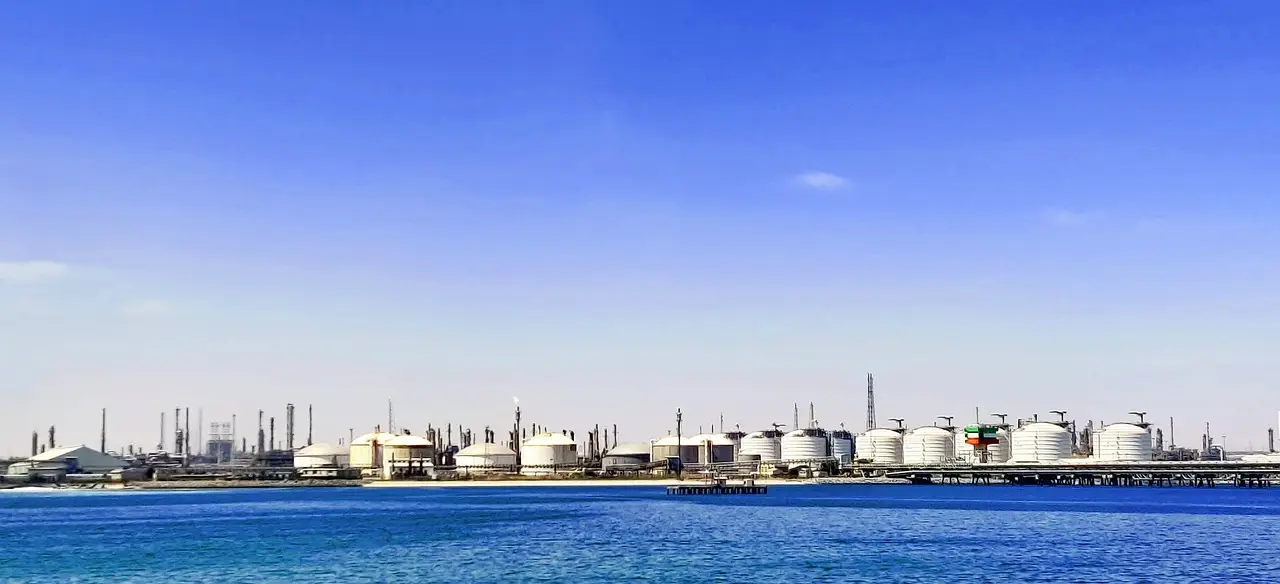
Brent crude fell roughly 3% to $109.82 per barrel at the start of the week. West Texas Intermediate followed, changing hands at $100.57. The trigger was not a barrel moved or a refinery restarted. It was a rumour of peace.
Reports emerged over the weekend of mediation talks between Iran and Qatar. Markets read those talks as a possible path to a deal between Washington and Tehran. Traders promptly repriced the risk of escalation downward. Iran's Foreign Minister Abbas Araqchi, cited by Reuters, said Tehran was prepared for "both defence and diplomacy". That sentence did the work of a whole communiqué.
What moved the price?
Two things, both of them political rather than physical. First, the weekend produced no meaningful military escalation. Second, separate reports suggested President Trump was ready to "give diplomacy a chance".
ING commodity strategists flagged both signals, then poured cold water on them. "The price action in oil in recent weeks reflects a market increasingly bracing for the potential for more hostilities between the US and Iran," the bank's analysts wrote. They also noted that Trump has indicated in recent days a readiness to resume hostilities. The two positions sit uneasily in the same sentence, which is roughly the market's problem.
Tim Waterer, chief market analyst at KCM Trade, put the move in plain terms. "Lingering hopes of some form of diplomatic progress, combined with the absence of any meaningful military escalation over the weekend, have taken some of the immediate heat out of prices for now," he told Reuters.
The operative phrase is "for now".
How durable is the discount?
The arithmetic here is asymmetric. If hostilities escalate, the price direction is clear enough, and it is upward. If there are no new US and Israeli strikes on Iran, some of the upward potential disappears. The open questions are how much, and for how long.
The answer depends on the Iranian-Qatari talks. Those talks face a structural obstacle. Iran insists all of its conditions for a peace deal must be met. The United States has repeatedly signalled it is disinclined to meet them. When both parties enter mediation with fixed positions, failure is the base case.
Whether the hopes now priced into crude are justified should become clear soon enough. That verdict will set the tone for oil prices for the rest of the year.
What is the watch item?
The mediation itself. Watch for the talks either producing a path to a firm agreement or collapsing, and watch for any resumption of US or Israeli strikes on Iranian territory. A barrel of Brent at $109.82 still carries a substantial risk premium for a market that spent recent weeks bracing for war. Three percent is what optimism costs when nobody quite believes in it.
The consumer backdrop sharpens the stakes. Americans face the largest estimated gasoline burden on record, with pump prices up 34.2% on the year, a rise of roughly a third that lands on every household with a car in the driveway. Any renewed escalation would push in the same direction, and the household budget has already absorbed the first leg.
For now, the market has bought a weekend without missiles and sold the fear accordingly. Takeaway: this is a headlines market, and the next headline is due from Doha.
via reuters.com (Original)
More from Daniel Okafor
Show full bio
Market editor covering companies, deals and strategy in Oil and gas industry operations and markets at Rig & Refinery.
554 articles
Adjoining reports
- Brent climbs 2.25% to $105.40 on stalled US-Iran diplomacy
- Brent Slips to $115/bbl on Iran Diplomacy; TTF Hits 22-Month High
- Brent Falls 7% to $105.60 as Washington and Tehran Open Diplomatic Track
- Brent Slips Below $112 as Hormuz Attacks Fail to Lift Oil Before Midterms
- Oil Extends Slide to Fifth Session on US-Iran Talks