Well report No. RR-7286 · T6N · R38W · SEC 6 · filed November 17, 2026
Petroleum MarketsWell report
Six Tankers Struck by Mines in Hormuz; Brent Holds Mid-90s as Q4 Surplus Caps Rally
Six tankers struck by mines in Hormuz since Sunday; Brent holds mid-90s USD/bbl as IEA's projected Q4 surplus caps the rally. Freight and insurance lead the repricing.
Field notes
- At least six tankers damaged or set on fire by naval mines in or near the Strait of Hormuz since Sunday
- Front-month Brent trading mid-90s USD/bbl, WTI high-80s, after last week's 13–16% slide
- IEA projects global oil market returns to surplus in Q4 2024 as Middle East exports recover
- Iran's Revolutionary Guard warns certain southern Hormuz transit lanes are mined
- Gulf export volumes were approaching pre-war averages before the latest mine strikes
By Daniel Okafor
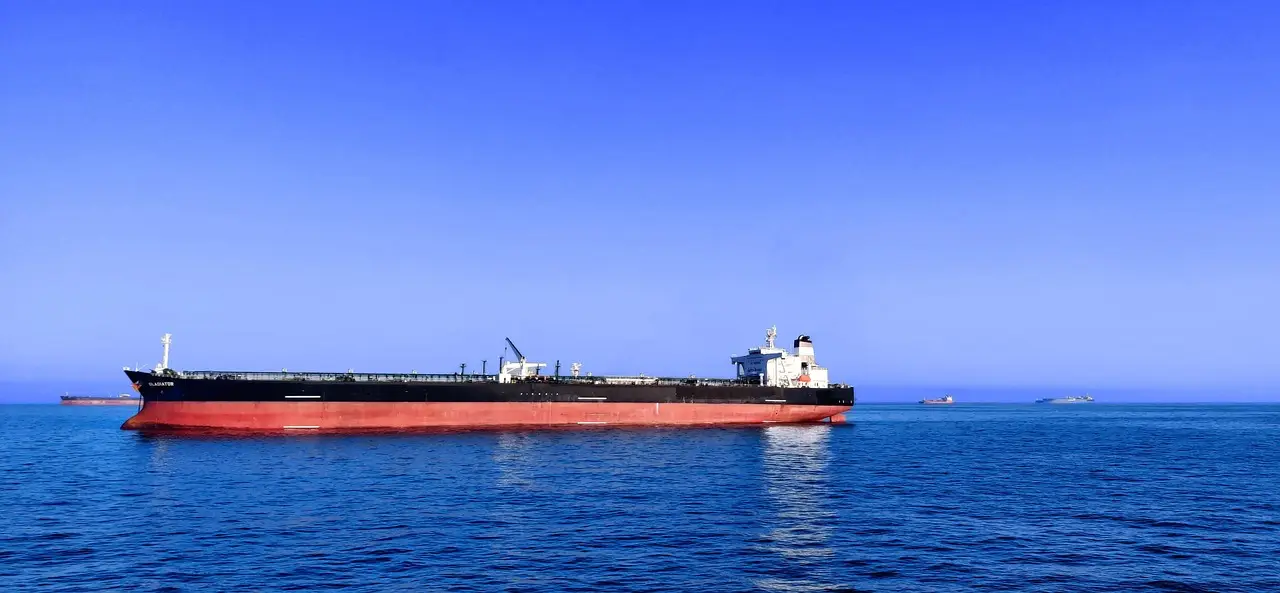
At least six oil tankers have been damaged or set on fire by naval mines in or near the Strait of Hormuz since Sunday, according to the latest shipping reports, yet front-month Brent is trading only in the mid-90s USD/bbl range. WTI sits in the high-80s. That is a recovery of just a fraction of last week's 13–16% slide in both benchmarks, when speculative length was washed out on de-escalation hopes and surplus concerns.
The gap between six burning hulls and a two-dollar bounce tells the story. Traders are repricing geography before they reprice barrels.
What actually happened in the strait?
The incident count is the hardest number in this story. Since Sunday, at least six tankers — possibly more — have been damaged or set alight by naval mines in or near Hormuz. Iran's Revolutionary Guard has now explicitly warned that certain southern transit lanes are mined. A further tanker was reportedly struck by a projectile while exiting the strait, suffering an engine-room fire but no casualties.
Despite the spike in security incidents, traffic through Hormuz and via off-Oman transfers has largely recovered from the early-war disruption. Recent Gulf export volumes were approaching pre-war averages even before the latest mine strikes. The catch: those flows increasingly depend on short-haul shuttles and offshore ship-to-ship transfers off Oman, which cost more and break more easily. Operational and political risk now concentrates around Iran, Oman and adjacent Gulf waters.
Takeaway: the barrels are moving, but through a costlier and more fragile logistics chain.
Where is the price signal showing up?
Not in flat price, mostly. The first repricing is visible in Brent–WTI spreads, freight and insurance, as traders wait to see whether physical flows are actually curtailed. Brent holds a modest risk premium over where macro and fundamentals alone would place it.
The net effect is an immediate tightening of available clean and crude tanker capacity on long-haul routes, particularly into Asia, as more vessels are tied up in regional shuttle work and some owners temporarily avoid high-risk lanes. History offers a sober precedent here: freight and insurance costs can rise much faster than outright crude prices in the early phase of a chokepoint crisis. That is the transmission channel to watch, not the headline tick on Brent.
Takeaway: the war-risk bill arrives before the oil bill does.
What about the surplus everyone keeps citing?
The IEA projects the global oil market will tip back into surplus in Q4 as Middle Eastern exports recover faster than demand, helped by restored Hormuz flows and alternative routes. That dynamic has already driven a sizable correction from early-autumn highs above USD 100/bbl. Last week's 13–16% slide underlined how quickly risk premia unwind when disruptions fail to become sustained physical outages.
Refined products tell a similar tale. Diesel benchmarks have eased from recent peaks even as structural tightness in middle distillates persists — a re-pricing of geopolitical risk, not a collapse in end-user demand. High but loosening balances, cautious refinery runs (especially in China) and elevated offshore inventories all point one way: new Hormuz risks must be severe or prolonged to reverse the broader downtrend in flat prices.
Takeaway: the surplus thesis needs an outage to fail, and so far it has none.
Weather: not a factor this week
Conditions in the Persian Gulf and Gulf of Oman are benign. No significant storms or swell events are forecast over the next three days that would materially affect tanker manoeuvrability or offshore transfers. Regional outlooks point to seasonally moderate temperatures and light to moderate winds, supportive of continued loading and ship-to-ship operations off Oman and at Iranian export terminals.
Near-term operational risk is therefore overwhelmingly political and security-driven. Any further disruption over the next week will likely stem from additional attacks, military escorts or insurer-imposed routing changes — not sea state.
Who should do what?
The tactical read, attributed to the desk's own risk commentary:
- Physical buyers: secure prompt barrels and logistics early where Hormuz exposure is unavoidable; avoid chasing spikes; consider non-Hormux-free [sic] alternatives — non-Hormuz Middle East or Atlantic Basin grades — to mitigate freight and insurance volatility.
- Producers and NOCs: use the current Brent rebound to layer in incremental hedging; IEA-signalled surpluses and recent de-risking of the Iran conflict cap upside unless incidents escalate into lasting export outages.
- Refiners: monitor Brent–Dubai and Brent–WTI spreads and regional freight; in Asia and Europe the main impact runs through delivered costs and arrival timings, not feedstock availability.
- Financial participants: event-driven Hormuz spikes have historically faded without confirmed supply losses; options structures that monetise elevated short-dated volatility while preserving tail protection may beat outright directional bets.
The three-day scorecard
| Benchmark / Region | Indication | 3-day bias | Driver |
|---|---|---|---|
| Brent | Mid-USD 90s/bbl | Slightly higher to sideways | Headline risk vs Q4 surplus narrative |
| WTI | High-USD 80s/bbl | Sideways | Limited direct Hormuz exposure |
| Gulf grades via IR/OM | Modest premium, delivered basis | Upward on freight/insurance | Routing changes, war-risk premia, owner aversion |
All indications are directional, USD-denominated and, in the source's own caveat, not precise marks.
The watch items are plain: whether mine or projectile incidents multiply, whether insurers force routing changes, and whether the IEA's Q4 surplus arrives as scheduled. Six tankers is a warning. A seventh would be a trend.
via commodity-board.com (Source)
More from Daniel Okafor
Show full bio
Market editor covering companies, deals and strategy in Oil and gas industry operations and markets at Rig & Refinery.
596 articles
Adjoining reports
- Brent Holds Near $96 as Unverified Hormuz Mine Reports Rattle Traders
- Tankers ablaze in Hormuz as drone alert halts Iraq's Khor Mor gas field
- Brent Near $118 as Markets Brace for US-Iran Clash and Volatile Week
- Hormuz conflict has killed 25 seafarers, IMO records show
- Hormuz Flows Rebound to 11.7 Million Bpd, Yet Tanker Strikes Keep Prices Bid