Well report No. RR-4103 · T15N · R37W · SEC 27 · filed November 3, 2026
Gas & LNGWell report
MARAD Clears ST LNG's $8.2-Billion Offshore Texas Deepwater Port License
MARAD approved ST LNG's deepwater port license for an $8.2-billion, 8.4-million tpy offshore LNG plant off Matagorda County, Tex., targeting 2029 startup.
Field notes
- MARAD approved ST LNG's deepwater port license on Oct. 28 for an $8.2-billion offshore LNG export plant.
- The plant targets 8.4 million tpy across 4 phases of 2.1 million tpy each, with construction in 2027 and service in 2029.
- The Final Environmental Impact Statement took 410 days — the fastest deepwater port review in over 20 years.
- DOE authorized 460 bcf/year of FTA exports on Apr. 22; non-FTA review is pending.
- ST LNG still needs financing, customer commitments, and FID before construction begins.
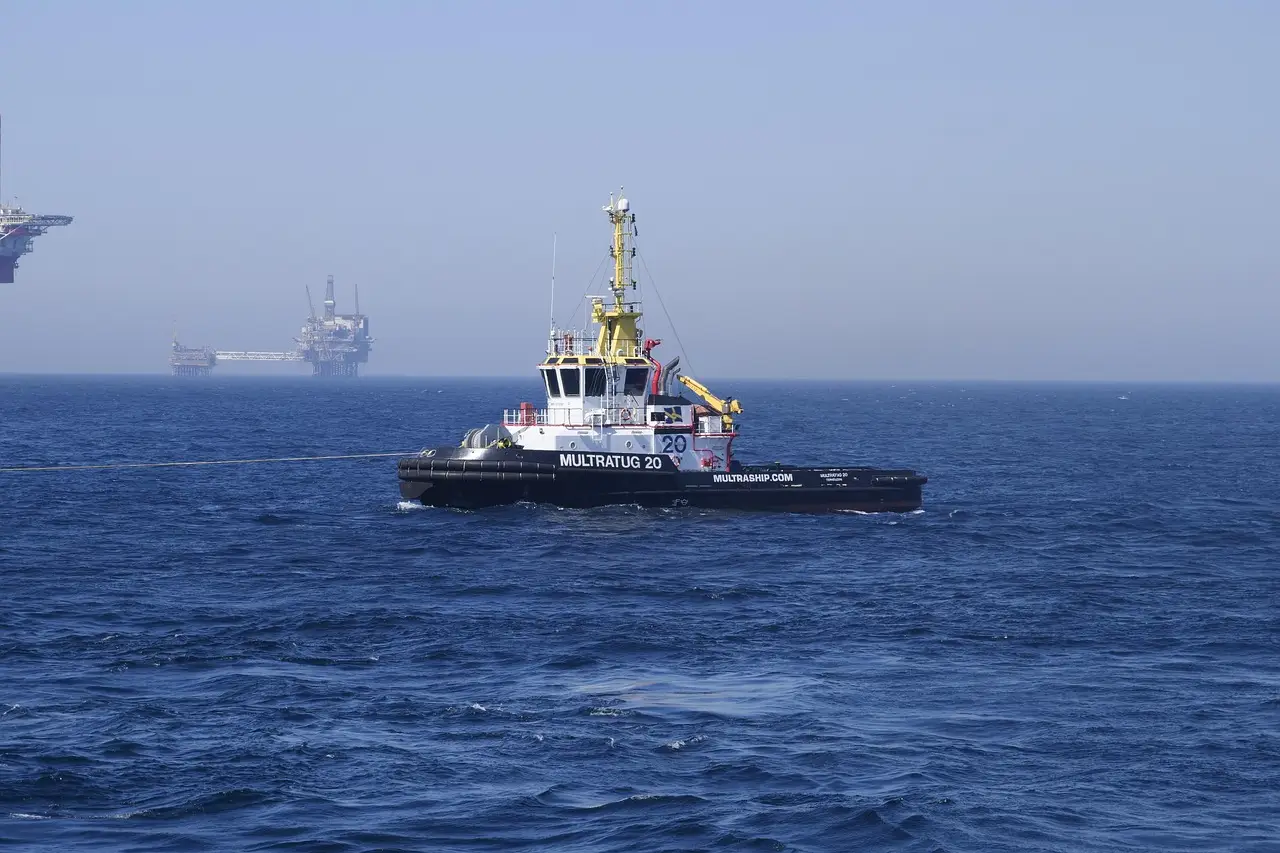
The US Maritime Administration on Oct. 28 approved ST LNG LLC's deepwater port license for an $8.2-billion LNG export plant to be built about 10.4 miles offshore Matagorda County, Tex., clearing the project's central federal regulatory hurdle.
MARAD set construction start for 2027 and in-service for 2029. At full build-out, the plant would handle 8.4 million tpy of LNG.
What does the license actually cover?
The offshore complex is sizable in scope. Per MARAD's approval, the full-capacity plant would include:
- 20 fixed offshore platforms
- 4 LNG floating storage units
- 4 mooring systems
- 4 liquefaction systems
- 7.7 miles of pipeline
ST LNG expects to develop the project in 4 independent phases, each carrying a nominal liquefaction capacity of 2.1 million tpy. The phased structure means each train can advance — or stall — on its own commercial footing.
The license is a necessary approval, not a sanctioning decision. The company still must satisfy outstanding federal and state requirements, secure customer commitments, arrange financing, and reach a final investment decision. ST LNG is privately held, and the Matagorda project would be its first LNG export venture. Practitioners should read Tuesday's action as the regulatory green light, not the construction trigger.
How will the plant get its gas?
Feed gas supply runs through existing Gulf Coast infrastructure. ST LNG plans to source gas from the Tres Palacios Natural Gas Storage and Trading Hub and the Williams Markham Gas Processing Plant, delivering it via an existing 36-in. OD Transcontinental Gas Pipe Line (Transco) line about 5.6 miles northeast of the port site.
The project scope adds a proposed 5.6-mile pipeline lateral tying the offshore plant to that Transco line, plus 2.1 miles of interconnecting pipelines linking the four phases. For gas marketers and midstream watchers, the configuration leans on Transco capacity rather than requiring a new long-haul greenfield system.
How fast was the review?
MARAD completed the project's Final Environmental Impact Statement in 410 days — roughly 3.7 years faster than the historical average, by the agency's own accounting. MARAD called it the fastest deepwater port license review in more than two decades.
In a statement, MARAD Administrator Stephen M. Carmel said ST LNG represents the Trump administration's third deepwater port license approval.
The compressed timeline signals to project developers that deepwater port licensing under the current framework can move at pace previously uncommon for offshore LNG — a data point worth weighing against the multi-year reviews that have shaped schedules elsewhere in the Gulf.
Where does export authorization stand?
The US Department of Energy on Apr. 22 authorized ST LNG to export LNG equivalent to 460 bcf/year of natural gas to countries holding qualifying free trade agreements with the United States. DOE is separately reviewing the company's request to ship to non-FTA countries.
That non-FTA docket matters commercially: the broader LNG demand pool sits largely in non-FTA Asia and Europe, and portfolio players typically need that authorization to underwrite offtake. FTA-only capacity narrows the buyer field considerably.
For now, ST LNG holds a license, an FTA export permit, and a phased design totaling 8.4 million tpy — but no FID, no disclosed offtake, and no non-FTA authorization.
The watch item
Watch DOE's non-FTA decision and the first customer commitments; together they will tell the market whether this 2029 startup date holds.
via Oil & Gas Journal (Source)
More from James Calloway
Show full bio
Staff writer covering people, launches and day-to-day practice in Oil and gas industry operations and markets at Rig & Refinery.
603 articles
Adjoining reports
- US clears $8.2bn ST LNG deepwater port off Matagorda, Texas
- Court Upholds Delfin LNG Deepwater Port License Offshore Louisiana
- Floating LNG crosses into U.S. waters with $5 billion Delfin project
- Delfin Clears FID on $5 Billion Floating LNG Project Off Louisiana
- Delfin Midstream clears FID on first US floating LNG export project