Well report No. RR-9767 · T23N · R34W · SEC 11 · filed November 4, 2026
Petroleum MarketsWell report
New Jersey Governor Moves to Block Russian Diesel Tankers
New Jersey Governor Mikie Sherrill has warned port operators against unloading Russian diesel, threatening 'harsh penalties' as tankers approach the US East Coast.
Field notes
- US diesel pump prices average about $6.29/gal, down from $6.50 weeks earlier (AAA, Tuesday).
- Trump announced a deal with Putin in early October to allow Russian diesel imports.
- Sherrill says at least one tanker may be headed for the New Jersey coast.
- Phillips 66's Mandell: Russian distillate is 'a drop in the bucket' versus offline supply.
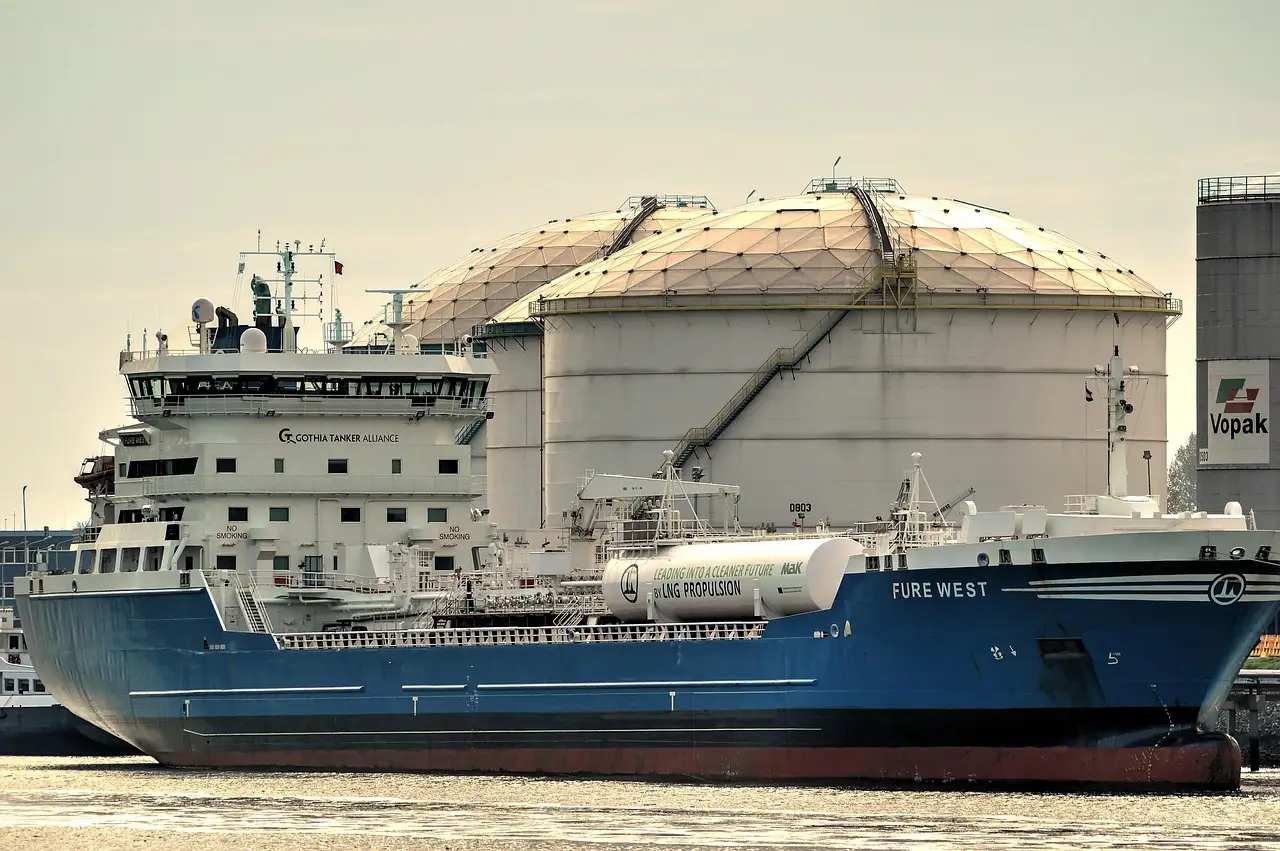
At least one tanker carrying Russian diesel may already be headed for the New Jersey coast, and Governor Mikie Sherrill says the state will stop it from unloading.
In a Monday letter to port and terminal operators, the Democratic governor warned against "purchasing or unloading the illegal Russian fuel currently bound for the east coast of the United States." She urged operators to turn away the tankers and said New Jersey would use its legal and regulatory powers to keep the cargoes out of the state's ports.
"Russia has since dispatched multiple diesel oil tankers to the United States, including at least one that may be headed for the New Jersey coast," Sherrill said.
The standoff puts a state executive in direct conflict with the White House over distillate supply, and it lands on terminals that now face penalties from one government for cargoes another government authorized.
What triggered the dispute?
In early October, President Trump announced a deal with Russian President Vladimir Putin to allow Russian diesel imports into US markets. The stated aim: ease high industrial fuel prices during a severe global refining squeeze, driven by Ukrainian drone attacks on Russian refineries and disruptions in the Strait of Hormuz.
AAA pump prices as of Tuesday morning show US diesel averaging around $6.29 per gallon nationwide, down from $6.50 just weeks ago. Whether that softening reflects the import deal or broader demand movements remains an open question for analysts.
Sherrill, for her part, argues the federal workaround is illegal. "The Russian Oil Act does not grant the President or Treasury Department blanket authority to waive these sanctions through licenses," she said.
Her warning to traders and terminal operators was blunt: "Any effort to profit from the illegal trade in Russian fuel will be met with harsh penalties."
How much supply is actually at stake?
The practical impact on distillate balances may be smaller than the political fight suggests. Brian Mandell, executive vice president of marketing and commercial at Phillips 66, told analysts on a recent earnings call: "We don't think Russia has enough distillate to make much of a difference, to be quite frank."
He added: "That's a drop in the bucket compared to how much distillate is offline."
Mandell's framing matters for refiners and fuel buyers watching the arbitrage. Russian export capacity is itself constrained — Ukrainian strikes have knocked out significant domestic refining volume — so even a fully unimpeded flow of Russian barrels would replace only a fraction of the distillate lost to outages elsewhere.
What changes for East Coast operators?
For terminal operators and marketers in the New York Harbor complex, the calculus is now simple risk management. A cargo cleared federally can still trigger state-level enforcement, and the governor has signaled willingness to test her authority in court. Any counterparty touching Russian-origin barrels through New Jersey infrastructure inherits that exposure.
The Russian Oil Act question Sherrill raises — whether the Treasury Department can license around sanctions Congress imposed — is the legal fault line. If federal courts side with the state's reading, the Trump-Putin arrangement collapses for East Coast discharge regardless of what Moscow loads.
What practitioners should watch: whether any tanker actually attempts a New Jersey berth, and which regulator — the state or the Treasury — blinks first.
via OilPrice.com (Source)
More from James Calloway
Show full bio
Staff writer covering people, launches and day-to-day practice in Oil and gas industry operations and markets at Rig & Refinery.
609 articles
Adjoining reports
- 40,000 Tons of Russian Diesel Heads to New York With a Five-Year Legal Fuse
- Russian diesel cargo sails for New York as U.S. diesel hits $6.30
- Bipartisan warning puts banks, ports on notice over Russian diesel
- Russia Resumes Diesel Exorts After Trump-Brokered Deal
- Russian Crude Exports Stay 10% Below Pre-War Levels, UBS Says