Well report No. RR-6959 · T11N · R11W · SEC 11 · filed October 10, 2026
Midstream & PipelinesWell report
Pacific Link Pipeline Listed as National Interest Project
Early work on the Pacific Link pipeline to Canada's west coast could start September 1, 2027, after federal national-interest listing on October 1, 2026.
Field notes
- Federal Major Projects Office listed Pacific Link as a national-interest project on October 1, 2026 under the Building Canada Act.
- Early construction could begin as early as September 1, 2027, pending Indigenous consultation and permits.
- Alberta has spent just over $18 million on preliminary engineering, cost estimates and early engagement.
- Alberta partnered with Trans Mountain Corporation and Pembina Pipeline after filing its submission on July 2, 2026.
- Government estimates cite up to $3.8 billion in annual revenues and 800,000 lifetime jobs from a similar past project.
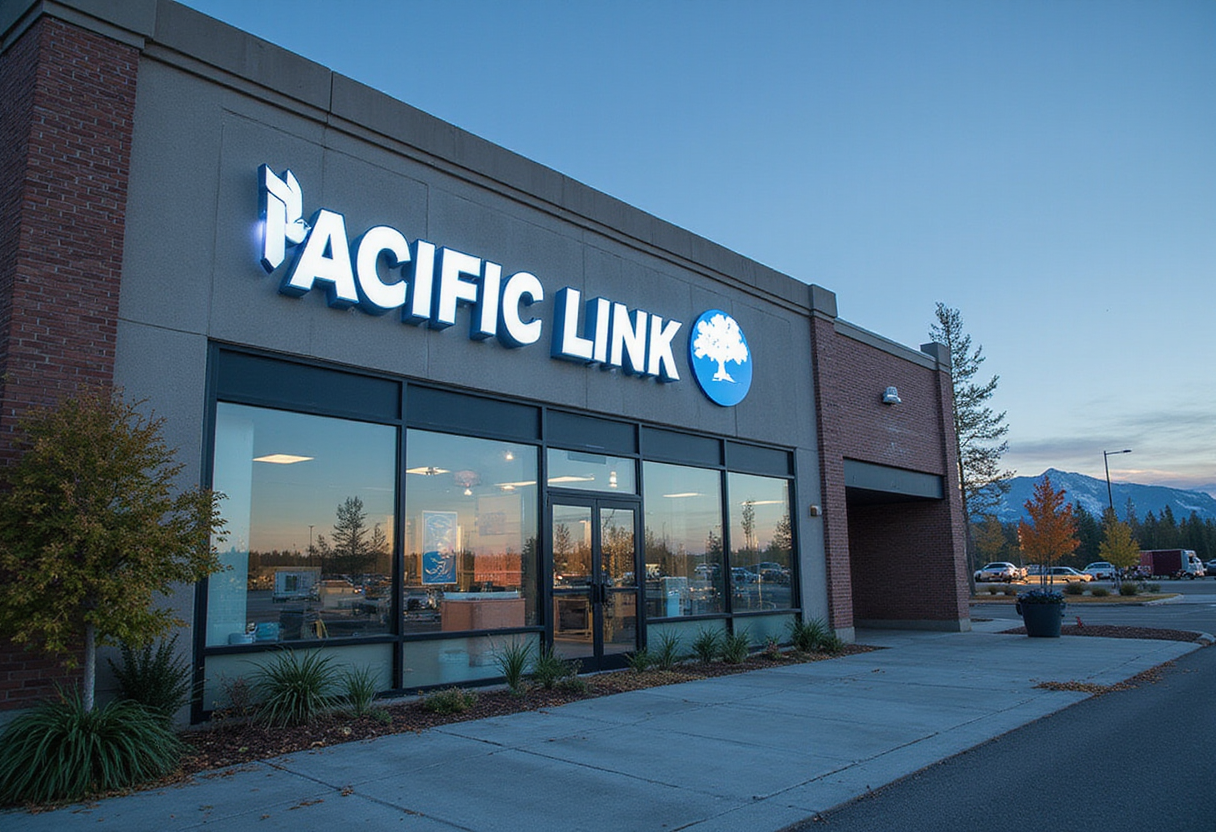
Early construction on the Pacific Link oil pipeline to Canada's west coast could begin as early as September 1, 2027, after the federal Major Projects Office listed the project as one of national interest on October 1, 2026 under the Building Canada Act. Alberta's government confirmed the designation clears the path toward securing permissions needed to start design and construction on that timeline, provided Indigenous consultation is complete and required approvals and permits are in place. No construction has started.
Who is developing the project?
Alberta's government acted as proponent during early planning, filing an evidence-based submission to the Major Projects Office on July 2, 2026. The province has now partnered with Trans Mountain Corporation and Pembina Pipeline to carry the project into its next development phase, drawing on their pipeline design, construction and operating expertise.
The submission covered:
- the proposed path and size of the pipeline
- detailed costs and benefits to Canada
- market demand, economic viability and the case for new capacity
- the social, environmental and economic argument for national-interest status
- a commitment to ongoing Indigenous engagement
What has Alberta spent so far?
The province has contributed just over $18 million to early planning — preliminary engineering, cost estimates, economic modelling, early Indigenous engagement and preparation of the federal proposal. With that work complete, the government says it will work alongside Trans Mountain and Pembina to advance the project. Alberta frames the pipeline as a way to diversify market access toward Asian buyers and reduce dependence on U.S. markets, arguing demand for oil and gas in Asia will remain strong for decades.
How large are the claimed benefits?
Alberta cites previous estimates for a similar past project: as much as $3.8 billion in total annual government revenues across Canada and 800,000 jobs over the project lifetime. These figures are government projections tied to an earlier project concept, not sanctioned Pacific Link economics, and the submission's detailed cost estimates have not been made public.
What role do Indigenous communities play?
Indigenous participation is positioned as central to the project. Engagement across Alberta and British Columbia has, according to the province, already shaped:
- environmental protections and marine safety
- a proposed corridor
- construction methods
- economic opportunities
The Alberta Indigenous Opportunities Corporation (AIOC) is ready to support Indigenous co-ownership of both the pipeline and the Pathways carbon capture project. The province says it will explore other forms of involvement beyond financial participation, based on how communities choose to engage.
What marine and pipeline safety measures are proposed?
The submission incorporates real-time vessel tracking, double-hull tanker requirements and enhanced navigation protocols. Canada already enforces mandatory pilotage, tug escorts and restricted navigation zones; the project will comply with those rules and adopt further international best practices. The province cites federal data showing 99.999% of oil moved through federally regulated pipelines travels safely each year on average.
What is the Pathways connection?
In July 2026, Alberta, the federal government and the Oil Sands Alliance signed a trilateral memorandum of understanding to advance the Pathways carbon capture and storage project — described as the world's largest CCUS infrastructure build. The MOU provides a framework for the alliance to substantially increase oil production while cutting emissions, and Alberta says Pathways' success will underpin the pipeline's environmental case. A federal-provincial Implementation Agreement finalized in May 2026 sets out the framework for construction of a new oil pipeline to the west coast.
The watch items: completion of Indigenous consultation, issuance of the federal conditions document, and whether early construction actually begins on September 1, 2027.
via alberta.ca (Original)
More from Priya Raman
Show full bio
Senior reporter covering media and advertising at Rig & Refinery.
395 articles
Adjoining reports
- Ottawa Lists Pacific Link Pipeline as First National Interest Project
- Ottawa Lists 1 Million-b/d Pacific Link Pipeline as National Interest Project
- Ottawa Names 1-Million-bpd Pacific Link Pipeline First National-Interest Project
- Pacific Link Draws 1 MMb/d Target, Guarded Welcome in Oilsands Country
- Pacific Link Pipeline Designated First 'National Interest' Project