Well report No. RR-2130 · T14N · R40W · SEC 14 · filed October 30, 2026
Petroleum MarketsWell report
Peace Talks Won't Spare Oil Buyers From $100-Plus Crude, Bank Says
Crude stays above $100 even if Tehran talks succeed, Standard Chartered says. The SPR sits at 282.7 million barrels, its lowest since 1982, and Europe's TTF nears €100/MWh.
Field notes
- Standard Chartered expects crude to remain above $100 even if a Middle East agreement removes part of the geopolitical risk premium.
- US Strategic Petroleum Reserve at 282.7 million barrels, lowest since 1982 (EIA).
- TTF front-month traded at €98.58/MWh on Wednesday; first net-withdrawal days of the season came 20-21 October.
- TTF discount to JKM narrowed to $1.08/mmBtu on 26 October.
- Houthis claimed attacks on East-West pipeline pumping stations; no verified damage or flow interruption.
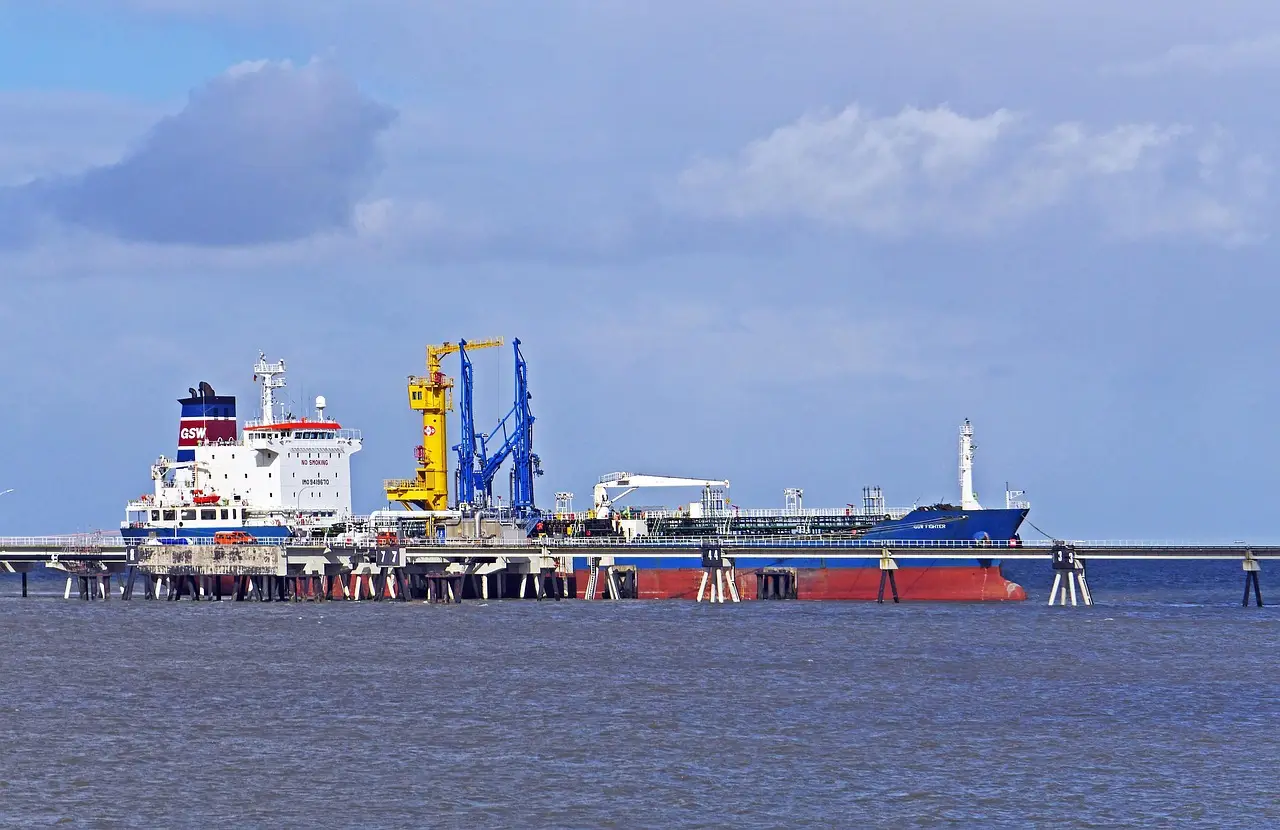
Crude will stay above $100 even if Middle East diplomacy succeeds, Standard Chartered analysts said this week, because the geopolitical risk premium is only one layer of a supply problem rooted in shipping lanes and Gulf output.
Delegations from Saudi Arabia, Turkey and Pakistan met Iranian officials in Tehran on Monday to discuss a regional security framework. Iranian President Pezeshkian signaled willingness to resolve regional differences. Tehran still insists the US lift sanctions and end the blockade of Iranian ports before broader talks begin. Those are two different conversations, and only one of them is happening.
What does diplomacy actually change?
Standard Chartered expects a legitimate agreement to strip some of the geopolitical risk premium out of oil prices quickly. The relief stops there. Prices stay high until tankers move safely through the Gulf and Gulf barrels return to the market at reliable volumes. The restoration of some crude exports has eased the immediate shortage, but disrupted production, constrained refining activity and costly shipping alternatives continue to limit effective supply.
Meanwhile, the Houthis claimed fresh attacks on pumping stations along Saudi Arabia's East-West pipeline while the Tehran meetings were under way. There is no verified evidence of new damage to the pipeline, or of any interruption of flow. Takeaway: the market will price flows, not communiqués.
Refined products carry the most risk
Diesel shortages and freight costs are feeding inflation well beyond the crude market, the bank noted. Strategic stock releases and rerouted trade are covering part of the shortfall. Neither can replace lost supply indefinitely. The pain has migrated downstream, where it does the broadest economic damage.
The US Strategic Petroleum Reserve holds just 282.7 million barrels, its lowest level since 1982, according to the latest Energy Information Administration figures. For scale, that is roughly a quarter of the reserve's designed capacity, drained over successive crises. Major Asian importers have also drawn down strategic and commercial stocks to cover lost Gulf supply.
Why the refill is a demand story
Standard Chartered expects the SPR refill to absorb a sizable share of returning barrels, especially if governments start buying before Gulf production and shipping return to normal. That would leave less oil to rebuild commercial inventories and hold prices up even as tensions ease. Governments become buyers at precisely the moment the market least needs new demand. Takeaway: the refill is a hidden tax on prices for months ahead.
Europe's gas bill approaches €100/MWh
On the gas desk, Standard Chartered reiterated its forecast of a high price floor for European gas through winter. Seasonally normal temperatures have already tightened Europe's physical balance enough to push the Dutch TTF front-month toward €100/MWh, trading at €98.58/MWh on Wednesday.
The numbers show a market switching from filling to draining:
- CNWE heating-related local distribution company demand rose about 42% week on week.
- Net storage injections dropped 71% over the same period.
- The region recorded its first two net-withdrawal days of the season on 20 and 21 October.
- The weekly balance as a whole remained modestly net-injecting.
Europe is now burning gas faster than it stores it, and the squeeze arrived without a cold snap. Temperatures have been broadly seasonal and forecasts say they stay that way. Day-ahead and front-month TTF have still climbed toward €100/MWh, with continental northwest Europe already drawing intermittently from storage. Standard Chartered's verdict: the market has priced in a mild winter, so prices have room to rise even if temperatures stay normal.
Can Europe outbid Asia for LNG?
The discount on second-month TTF to Asia's JKM narrowed to $1.08/mmBtu on 26 October, from a wider gap earlier in the month. That narrowing lets Europe bid for flexible US and Atlantic Basin cargoes just as heating demand rises and storage turns to withdrawals. Standard Chartered notes TTF's widening premium to Henry Hub gives US exporters more reason to ship east across the Atlantic. The bank wants to see that advantage hold before counting it as extra supply.
The catch is arithmetic, not sentiment. Gulf LNG exports remain disrupted, and Asian buyers face the same squeeze, so Europe and Asia are bidding for a limited pool of cargoes. Europe will likely need TTF to keep pace with JKM, or outrun it, to secure enough volumes through winter. Takeaway: the narrower spread gets suppliers' attention; keeping it is the expensive part.
The watch items
Three numbers will decide the next leg: verified flows on the East-West pipeline, the pace of SPR contract awards in Washington, and whether TTF holds its edge over JKM into December. Peace talks may shave the premium. Only barrels and cargoes move the floor.
via aljazeera.com (Original)
More from Daniel Okafor
Show full bio
Market editor covering companies, deals and strategy in Oil and gas industry operations and markets at Rig & Refinery.
539 articles
Adjoining reports
- WTI Holds Above $92 as Qatar-Mediated Talks and Pipeline Restart Pull Both Ways
- Oil Swings as Traders Weigh Saudi Pipeline Restart, US-Iran Talks
- Crude Extends Losing Streak to Sixth Session on Iran Talks, Saudi Pipeline Return
- Oil Prices Climb as US-Iran Uncertainty Outweighs Saudi Pipeline Restart
- Oil Climbs as U.S.-Iran Talks Stall, Offsetting Saudi Pipeline Restart