Well report No. RR-3784 · T14N · R37W · SEC 26 · filed October 30, 2026
Gas & LNGWell report
SNOC brings Hedebah gas-condensate field onstream in under a year
SNOC completes Phase 1 at Hedebah, more than doubling gas output less than a year after the May 2024 discovery, with plateau production targeted for 2028.
Field notes
- Phase 1 completion more than doubles SNOC's current gas production levels
- Hedebah, northeast of Sajaa field, discovered in May 2024 and onstream in under a year
- Phase 2 activities brought forward to raise capacity by 2027; plateau expected 2028
- SNOC signed an MoU with Equinor covering LPG/NGL storage, logistics, trading and transport
- Project overcame shipping disruptions and material supply constraints on schedule
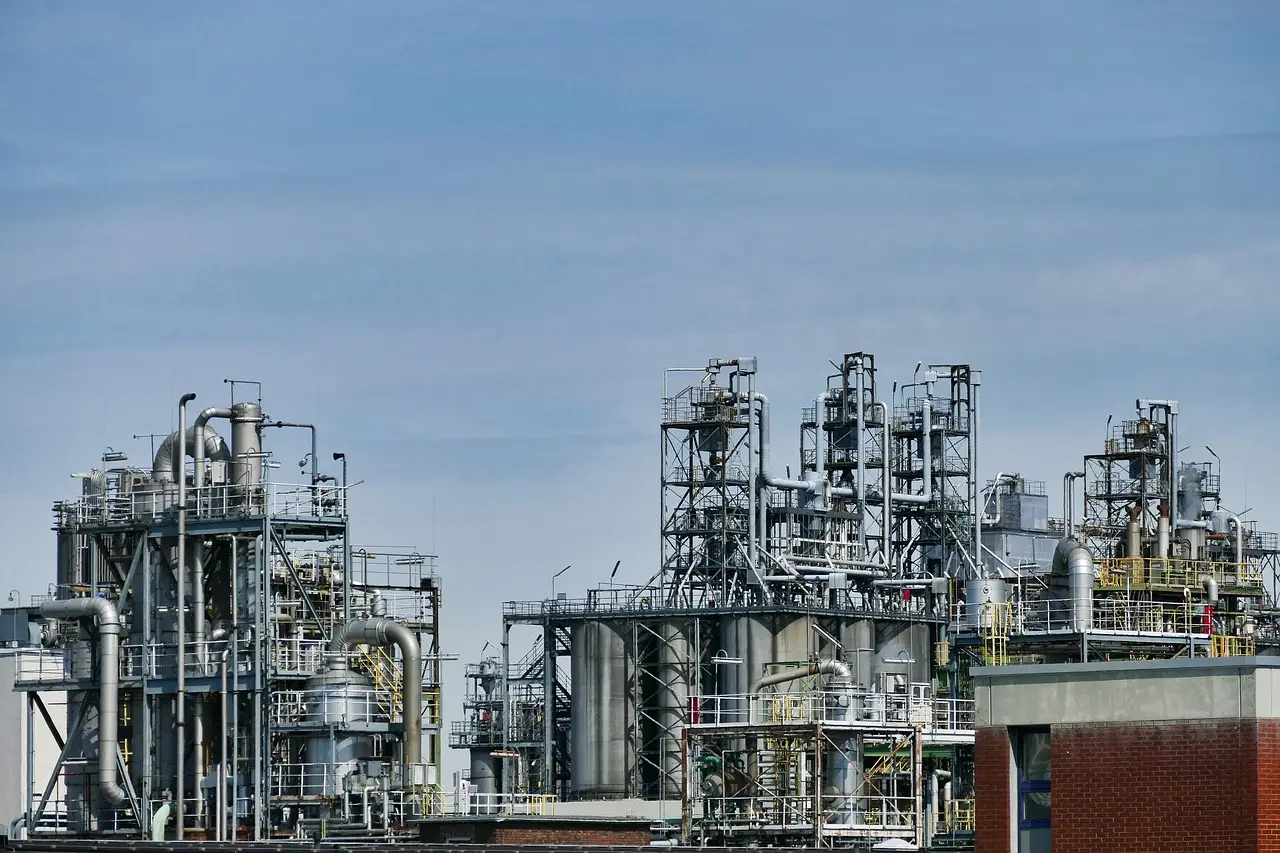
Sharjah National Oil Corporation has completed Phase 1 of the onshore Hedebah gas-condensate field in Sharjah, UAE, more than doubling the company's current gas production levels.
The field, located northeast of the Sajaa gas field, reached first production less than a year after its discovery in May 2024. SNOC announced the milestone without disclosing specific flow rates or reserve figures for the asset, which sits in a mature onshore gas province that has underpinned Sharjah's energy supply for decades.
The takeaway: Sharjah's state operator has converted a fresh discovery into producing infrastructure at a pace few onshore gas projects match.
How did SNOC reach production so quickly?
Following the May 2024 discovery, SNOC ran an accelerated programme of appraisal drilling and well evaluation, then moved straight into construction and installation of gathering infrastructure and commissioning of pipeline facilities.
The compressed timeline did not proceed without friction. The project encountered logistical and procurement difficulties, including disruptions to regional shipping and constraints on the supply of materials. According to SNOC, crews resolved these challenges within the timeframe required to deliver Phase 1 as planned.
A gas-condensate field yields natural gas mixed with liquid hydrocarbons (condensate) that separate at surface conditions, making both a gas stream and a light liquid product available for sale.
The takeaway: fast-track appraisal-to-production delivery, despite supply chain headwinds, is the operational story here.
What did the CEO say?
SNOC CEO Khamis Al Mazrouei framed the startup as a strategic anchor for the emirate.
"Hedebah is one of the most significant gas developments in Sharjah in recent years and a cornerstone of SNOC's long-term growth strategy," Al Mazrouei said.
"Completing Phase 1 and bringing the field into production demonstrates our ability to move quickly from discovery to delivery while supporting the Emirate's growing energy requirements," he said.
He added: "As we move into the next phase of development, Hedebah will play an increasingly important role in strengthening energy security and creating long-term value for Sharjah."
The takeaway: management positions Hedebah as both a supply-security asset and proof of execution speed.
What comes next for Hedebah?
Preparations for the next development phase are already under way, SNOC said. Activities are being brought forward to further increase production capacity by 2027, with the field expected to reach plateau production by 2028.
The company has not yet detailed the scope of Phase 2 — well counts, additional processing capacity or export arrangements remain unannounced — so the 2027 capacity uplift and 2028 plateau stand as stated targets rather than sanctioned project parameters.
The takeaway: watch for Phase 2 sanction details, capacity numbers and any contract awards before the 2027 target date.
What is the Equinor MoU about?
Separately, SNOC signed a memorandum of understanding with Norway's Equinor to examine collaboration in the downstream segment. The agreement covers evaluation of potential joint activities in:
- storage, infrastructure, logistics, trading, supply and transport of liquefied petroleum gas (LPG) and natural gas liquids (NGLs)
- a range of other oil and gas products
- selected areas connected to the energy transition
- potential optimisation of petrochemical storage assets in the UAE
An MoU is a non-binding agreement to study cooperation, so no commercial commitments attach to it yet.
The takeaway: the Equinor pact signals SNOC's intent to extend from upstream production into gas liquids logistics, storage and trading.
The watch item
Hedebah's production build-up through 2027 and its plateau by 2028, plus any conversion of the Equinor MoU into binding downstream agreements, are the milestones to track.
The takeaway: Hedebah's growth curve and the Equinor study outcomes will define SNOC's next two years.
via Offshore Technology (Source)
More from Olivia Hart
Show full bio
Correspondent covering technology and product news in Oil and gas industry operations and markets at Rig & Refinery.
556 articles
Adjoining reports
- Saudi Arabia lines up new development phase for giant gas project
- Aramco Targets Up to Seven New Gas Facilities Online by 2027
- UAE energy project pipeline reaches $210 billion: report
- Saudi Arabia Plans Oil Pipeline Expansion, Asharq Al-Awsat Reports
- South Pars Phase 11 Approaches Full Output as Drilling Hits Midpoint