Well report No. RR-5618 · T22N · R32W · SEC 22 · filed October 30, 2026
Refining & PetrochemicalsWell report
Tema Oil Refinery proposes 200,000-b/sd expansion by 2029
TOR proposes raising Tema refining capacity to 200,000 b/sd by 2029 via a 40,000-b/sd brownfield add and a 115,000-b/sd grassroots plant, after its December 2025 restart.
Field notes
- TOR proposes combined capacity of 200,000 b/sd at Tema by 2029 under its 2026-29 RLP program.
- The existing 45,000-b/sd refinery would gain 40,000 b/sd, alongside a new 115,000-b/sd grassroots plant.
- Crude processing resumed Dec. 19, 2025, after turnaround maintenance on the CDU from Aug. 1-Oct. 30, 2025.
- New furnace F-61 aims to restore the original 45,000-b/sd nameplate; a new air cooler targets 60,000 b/sd.
- No project costs, financing, or schedules have been disclosed.
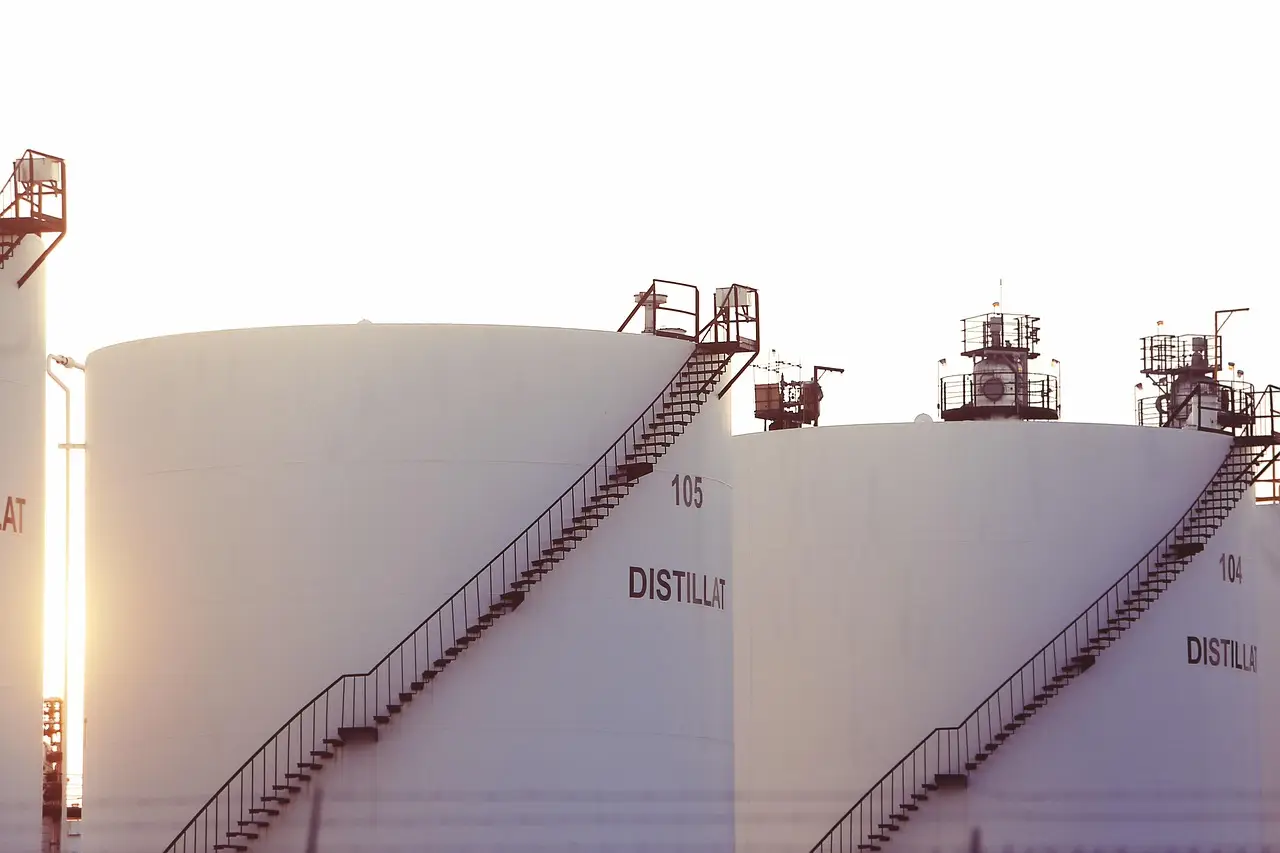
Tema Oil Refinery (TOR) Ltd. wants to lift crude-processing capacity at its Tema complex in Ghana to 200,000 b/sd by 2029. The proposal combines a brownfield expansion of the existing 45,000-b/sd refinery with grassroots construction of a second plant. TOR managing director Edmond Kombat announced the plan at a Government Accountability Series press conference on Oct. 26 in Accra, the state's Ghana News Agency reported.
What does the four-year program include?
The Restoration and Legacy Projects (RLP) program covers 2026-29. Its refining scope has two elements:
- A brownfield project adding 40,000 b/sd to the existing refinery in Tema's Heavy Industrial Area, taking it to 85,000 b/sd.
- A new grassroots refinery, presumably co-located at the site, designed for 115,000 b/sd.
TOR did not disclose project costs, financing arrangements, construction schedules, or expected production yields. The company framed the expansion as a response to Ghana's petroleum-product demand and as a value-addition measure to create export opportunities and support the national economy.
The refining installations are not the whole program. TOR also proposes social infrastructure in and around Tema, including a specialty hospital with a burn and trauma center to serve the Tema industrial enclave and the wider Greater Accra region. For staff housing, the refiner is working with the Ghana Home Ownership Fund on a domicile project to be built on existing TOR land. The company did not specify the number of homes or a construction timeline.
The takeaway: the plan is a proposal, not a sanctioned project, and no cost or schedule figures exist yet.
How did the December restart set the stage?
The RLP program follows TOR's confirmation that the refinery returned to crude processing in December 2025 after multiple years of inactivity. The restart capped major turnaround maintenance on the complex's crude distillation unit (CDU, the primary unit separating crude into fractions) between Aug. 1 and Oct. 30, 2025. Ghana's National Petroleum Authority cleared the refiner to resume operations after the turnaround.
Crude processing officially resumed on Dec. 19, 2025, with petroleum products transferred to storage. TOR described operations at the time as undergoing a phased transition to stabilize systems and improve reliability.
The turnaround also delivered a new furnace, F-61, which TOR said would return the refinery to its original 45,000-b/sd nameplate capacity once commissioned and integrated into the CDU. TOR's late-December statement additionally identified a medium-term pathway to 60,000 b/sd following installation of a new air cooler, but neither the company's Oct. 26 statement nor its Feb. 27 statement on operations confirmed whether those milestones were complete.
The takeaway: the refinery is running again, but its baseline recovery milestones remain unverified.
Where does the petroleum hub fit in?
TOR's proposal lands as another state-mandated company, Petroleum Hub Development Corp. (PHDC), advances the proposed $28-billion second phase of Ghana's $60-billion multiphased petroleum hub in the Jomoro municipal district of the Western Region. The TOR program, long in the making through the refinery's periods of inoperability, would substantially raise the state-owned refiner's planned capacity alongside that larger national build-out.
The takeaway: two state-backed schemes now define Ghana's downstream ambitions, with TOR's the smaller and nearer-term of the pair.
The watch item
Watch for cost, financing, and schedule detail on the RLP program, confirmation that F-61 integration and the 60,000-b/sd air-cooler milestone are complete, and National Petroleum Authority positioning on both the Tema expansion and PHDC's Jomoro hub.
via gna.org.gh (Original)
More from Olivia Hart
Show full bio
Correspondent covering technology and product news in Oil and gas industry operations and markets at Rig & Refinery.
556 articles
Adjoining reports
- Ghana's PHDC Signs MOU for $28-Billion Phase 2 of Jomoro Petroleum Hub
- Ghana's Petroleum Hub Moves to Phase Two in $28bn Signing
- Dangote Plans 1,000 MW Power Plant at Kenya Refinery Site
- Egypt Targets Midstream Emissions Cuts as Gas Output Push Accelerates
- Senegal Courts Turkish Partners for Up to $3.5 Billion Refinery Plan